Iranian star Parastoo Ahmadi reportedly sentenced to 74 lashes for singing without hijab
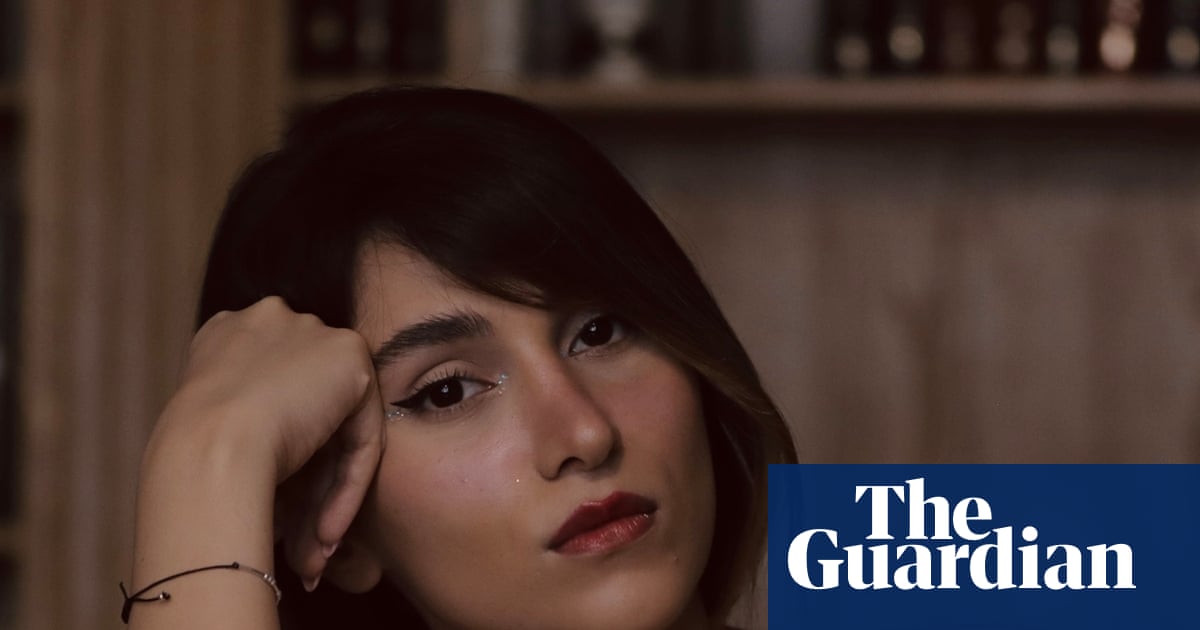
The Iranian singer Parastoo Ahmadi and eight members of a production team, including musicians, have been reportedly sentenced to 74 lashes for performing in a concert livestreamed on Ahmadi’s YouTube channel...
The Iranian singer Parastoo Ahmadi and eight members of a production team, including musicians, have been reportedly sentenced to 74 lashes for performing in a concert livestreamed on Ahmadi’s YouTube channel in 2024.
According to court documents, the criminal court of Qom province sentenced the artists to flogging, a two-year ban on leaving the country and a two-year ban on engaging in artistic activities on charges that include offending public decency through the production and publication of “vulgar and immoral content” on cyberspace platforms.
Although the official judiciary news agency has yet to publish the ruling, rights groups and lawyers who reviewed the documents said the pattern of arrests and legal cases against artists publicly defying the regime reflects a broader effort to deter cultural dissent.
In December 2024, the 29-year-old singer performed the patriotic song Az Khoone Javanane Vatan (From the Blood of the Youth of the Homeland) without a hijab in a livestreamed performance that went viral. She was briefly detained along with several musicians shortly after its release before being freed. Authorities later filed a formal case over the publication of the video, which has since accumulated millions of views on YouTube.
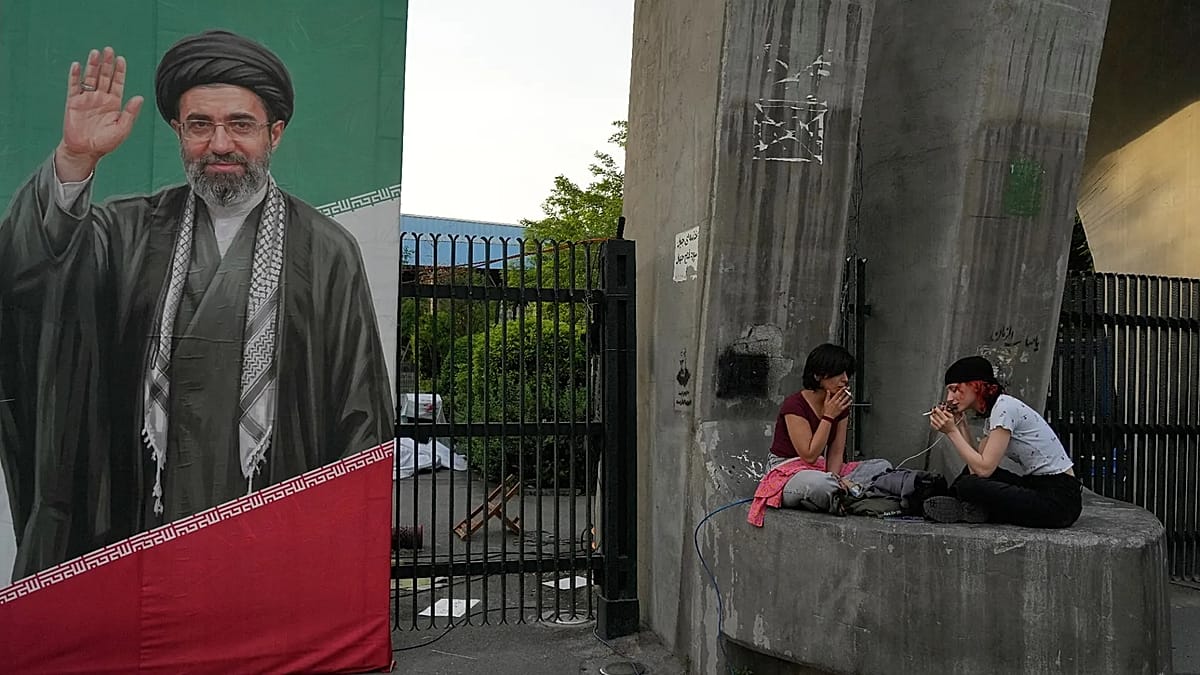
Bahar Ghandehari, the director of advocacy at the US-based Center for Human Rights in Iran, said “Ahmadi’s punishment of 74 lashes for merely singing and appearing without a hijab is yet another reminder that human rights conditions in Iran have not changed, despite the Iranian authorities’ wartime propaganda campaign aimed at improving their image.”
She added that the contrast between official imagery and the prosecution of artists exposed “the gap between the regime’s propaganda and reality”.
Moein Khazaeli, a human rights lawyer at Dadban, a legal counselling centre for Iranian activists, said the sentence lacked legal basis.
“Singing, performing music and producing or disseminating musical works by women are not criminalised under Iranian criminal law. Consequently, such activities cannot reasonably be construed as the “production, distribution or publication of obscene content”, he said.
“The imposition of a flogging sentence against artists, civil society activists or other citizens is not merely a matter of domestic criminal law. It also raises serious concerns regarding states’ international obligations to prohibit torture and safeguard human dignity. For this reason, numerous human rights organisations consider flogging not a legitimate form of punishment, but rather a form of torture and inhuman treatment.”
For Iranian artists, the ruling, though not unexpected, has deepened fears of escalating cultural repression.
The Iranian-British actor Nazanin Boniadi said: “The sentencing of singer Parastoo Ahmadi to flogging for the simple act of singing publicly without a hijab is a stark reminder that, despite talk in Washington of a ‘new regime’ in Iran, the Islamic Republic’s machinery of repression remains unchanged.”
“Accommodating a regime that flogs women for their voices and kills citizens for demanding their rights only emboldens it to continue down its tyrannical path,” she added.
The Iranian actress Setareh Maleki, who was forced into exile after starring in Mohammad Rasoulof’s Oscar-nominated film The Seed of the Sacred Fig, said the performance had a powerful emotional impact on her.
She told the Guardian: “When I watched the video of Parastoo Ahmadi’s concert, it reignited the spirit of resistance in me. For days, I kept watching the videos over and over again, and I felt immensely proud of Parastoo. Knowing all the consequences she would have to face, she still refused to give up her right, as a woman, to live, to sing and to be heard. Iranian women never stop fighting against tyranny, not even for a moment, and that is truly remarkable.
Maleki added: “For an Iranian artist who refuses to comply with censorship inside Iran, the daily routine is a form of resistance. We’ve come a long way but there is still a long road ahead. I’m grateful that every day another beloved artist reminds us of hope again and becomes a guiding light.”