Spanish coastline in "unprecedented fragility": areas most threatened by climate change
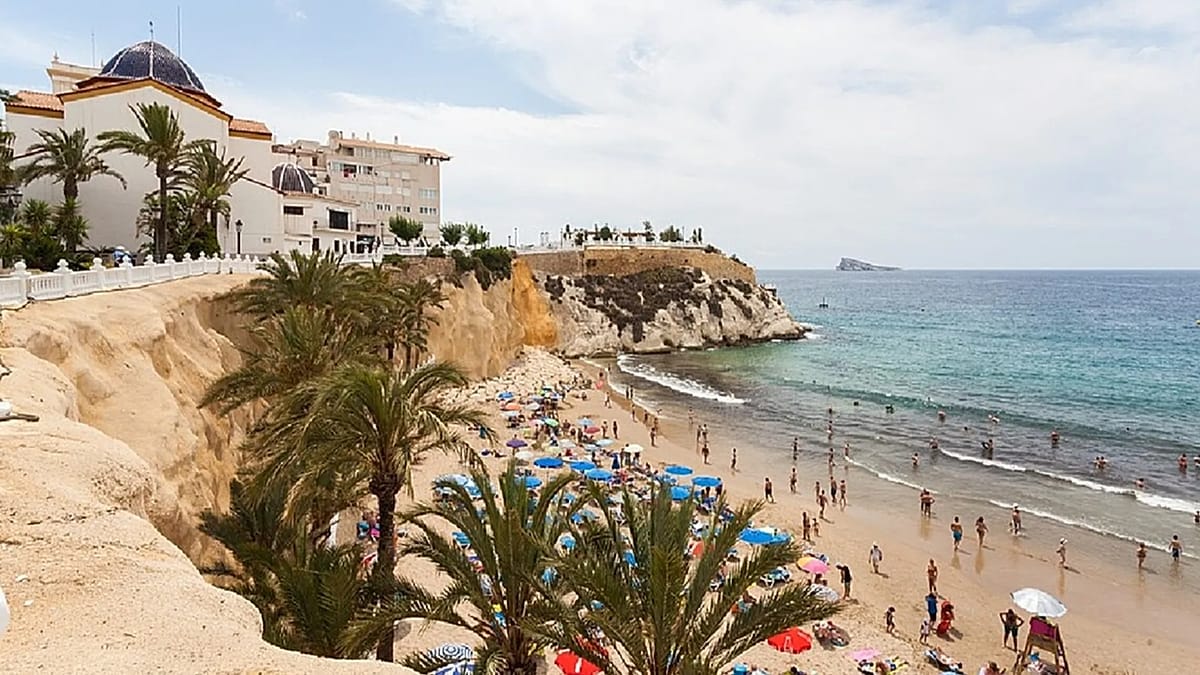
Greenpeace warns that urban development and climate change have pushed Spain's coastline to breaking point and urges a shift from beach regeneration models to nature-based solutions.
Published on 23/07/2026 - 21:52 GMT+2
The Spanish coastline is going through a situation of "unprecedented fragility" due to the combined impact of intensive urban development and the increasingly severe effects of climate change, according to Greenpeace's report (source in Spanish) "Destrucción a toda costa 2026". The organisation identifies 194 critical points spread along the Spanish coast where the deterioration is particularly worrying.
The study maintains that more than a hundred beaches have required artificial regeneration during 2026, at a cost of 246 million euros, interventions it describes as "an increasingly expensive and less durable stopgap". According to Greenpeace, 70% of this investment was concentrated in the Valencian Community and nearly 20% in Andalusia.
The NGO states that the succession of eight named storms last winter amounted to the "final exam" for the current coastal management model, which, in its view, "has failed". As examples, it cites flooded homes in Valencia, collapsed seafront promenades in Gijón and San Sebastián, cliff collapses in Tenerife and numerous beaches left "completely stripped" of sand.
Among the most threatened areas, Greenpeace highlights the Ebro Delta, which it describes as "the most vulnerable point on the Iberian Peninsula", as well as the Doñana coastline, La Manga del Mar Menor, La Restinga de l'Albufera, Camposoto beach and the Maspalomas coast.
The report also warns that the loss of beaches threatens tourism jobs and calls for coastal ecosystems to be restored, construction in flood-prone areas to be halted, the relocation of exposed infrastructure to be planned and coastal management to be designed using scientific criteria and nature-based solutions.