Climate Week warns of challenges in delivering the energy transition
Published on 20/09/2026 - 17:10 GMT+2 A Climate Week (source in Portuguese) began in New York this Sunday, with a series of events across the city, and runs until the 27th....
Published on 20/09/2026 - 17:10 GMT+2
A Climate Week (source in Portuguese) began in New York this Sunday, with a series of events across the city, and runs until the 27th. Over the coming days, business and political leaders from around the world will discuss solutions for a more sustainable society with lower carbon emissions.
The event is an initiative of the non-governmental organisation Climate Group (source in Portuguese), organised in coordination with the United Nations General Assembly, which takes place at the same time in the same city.
The first day, Monday, features contributions from the Prime Minister of Australia, Anthony Albanese, the UK foreign secretary, Ed Milliband, and the Icelandic prime minister Kristún Frostadóttir.
This is the largest event in the world dedicated to climate change. It includes more than a thousand events at various locations in New York, bringing together on average more than one hundred thousand people.
This year's debates will focus on three aspects:
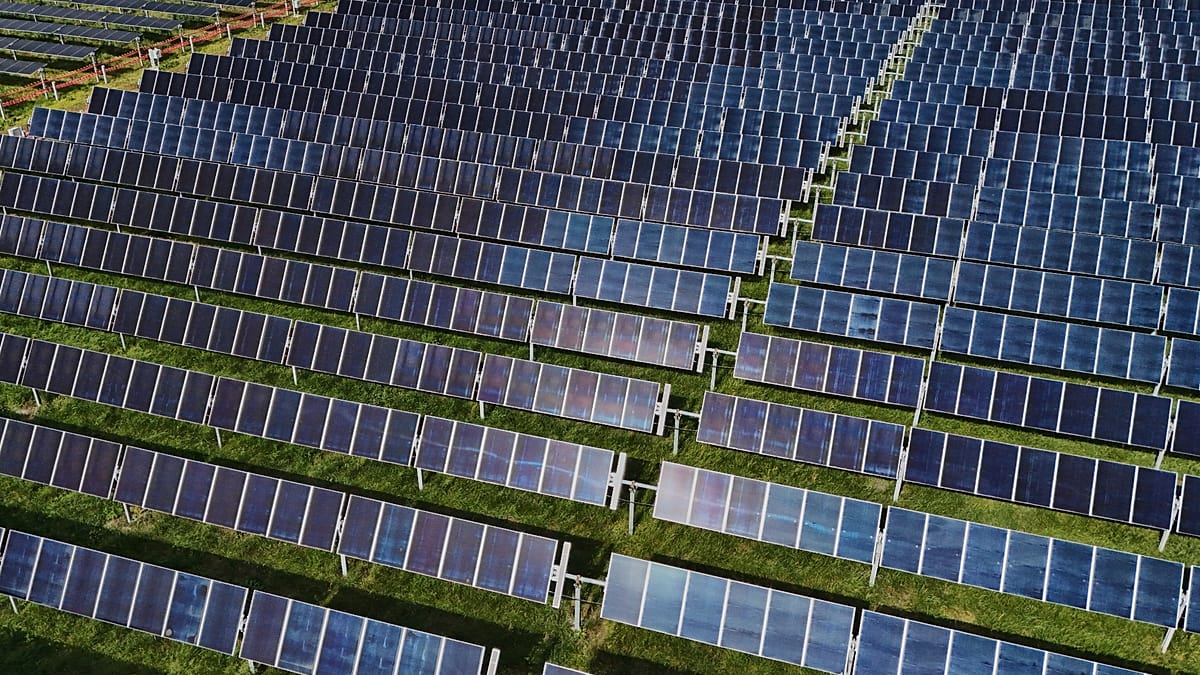
Energy and the changes taking place in this field,
The impact those changes are having,
The joint action that is needed.
This series of debates comes at a time when the impact of climate change is highly visible, with tragedies such as the one that recently hit Nepal and the heatwaves that have been battering many parts of the world in recent weeks.
Climate Group has been in existence for around 20 years and aims to help create a world with zero carbon emissions by 2050.
According to the description Climate Group gives on the event website, "the context is changing rapidly. Energy systems are being redesigned, supply chains are under pressure and demand for electricity is rising, driven by electrification, Artificial Intelligence (AI) and digital infrastructure. At the same time, the transition is opening up new sources of long-term growth, investment and competitiveness."
The organisers also say that "the current challenge is not ambition but implementation". "Progress is being held back by outdated regulation, infrastructure constraints and misaligned markets. The priority is to remove these barriers and deliver change quickly and at scale. Climate Week exists to accelerate that progress," they add.
This year's conference is taking place against a backdrop of the rapid expansion of AI and the revolution that implies, but also of the strongly climate-sceptic actions and policies pursued by the Trump administration.
The last global climate summit, COP30, held in Belém do Pará, Brazil, ultimately delivered results that fell short of expectations. While a plan was agreed to help the countries most affected by the climate crisis, no precise timetable was set for the phase-out of fossil fuels.