World's largest digital camera starts mapping the universe
By Alice Galliott Published on 04/07/2026 - 6:38 GMT+2 The world's largest digital camera has begun a decade-long mission to map the...
By Alice Galliott
Published on 04/07/2026 - 6:38 GMT+2
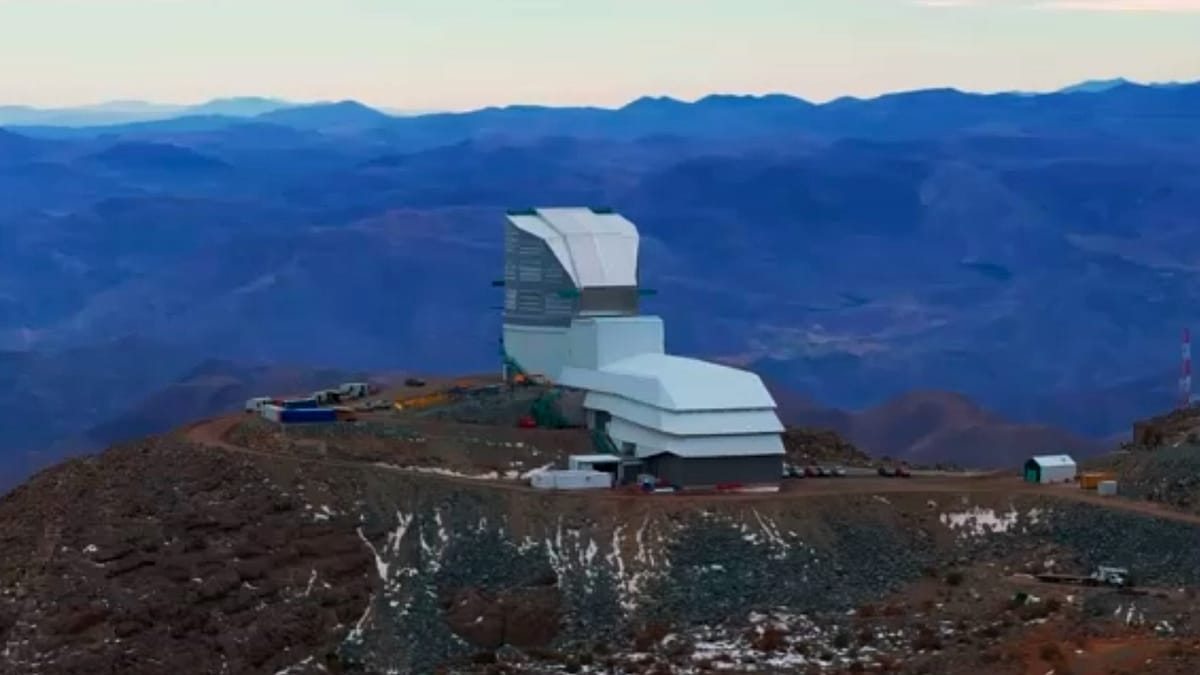
The world's largest digital camera has begun a decade-long mission to map the southern night sky from the Vera C. Rubin Observatory in Chile.
Perched atop Cerro Pachón, the camera is about the size of a small car and weighs around 3,000 kilograms. Over the next 10 years, it will capture around 700 to 800 images every night, creating an unprecedented survey of the universe.
Phil Marshall, Deputy Director of Operations at the NSF-DOE Vera C. Rubin Observatory, said the project will allow scientists to "cover the whole of the southern night sky" and build a detailed census of the solar system.
Marshall said the observations could help researchers discover millions of asteroids, search for the hypothetical Planet Nine, map the Milky Way, and study supernovae, black holes, dark matter and dark energy.
The observatory is named after astronomer Vera Rubin, whose pioneering research provided the first strong evidence for the existence of dark matter.
Rubin released its first images last year, including spectacular views of the Lagoon Nebula thousands of light-years from Earth, before beginning full scientific operations.
Marshall described the project as a major scientific collaboration, saying it demonstrates what can be achieved when large international teams work together on ambitious research.