EU tax: small Chinese parcels plunge 30 to 40%
Published on 27/08/2026 - 19:43 GMT+2 For years, small parcels from China have flooded European letterboxes. Clothes, accessories, gadgets and everyday items ordered on...
Published on 27/08/2026 - 19:43 GMT+2
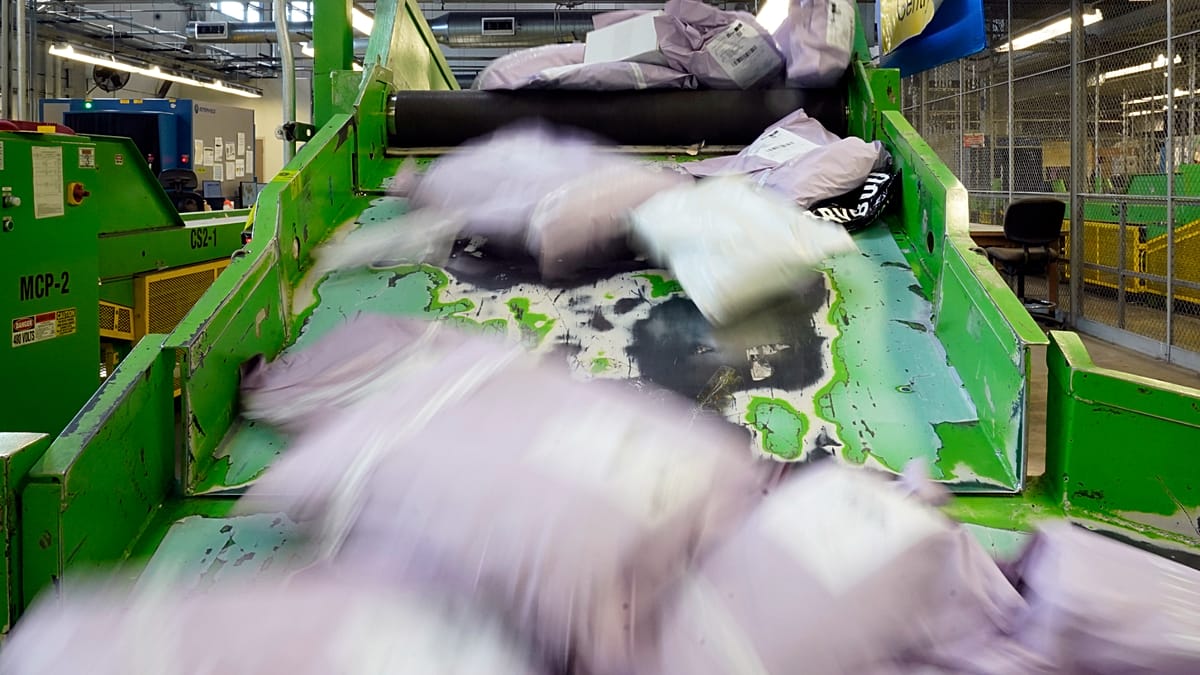
For years, small parcels from China have flooded European letterboxes. Clothes, accessories, gadgets and everyday items ordered on Shein, Temu or AliExpress were delivered straight to consumers, often for just a few euros. A system, seen as an invasion by some, that is now being seriously curbed by the European Union.
Since 1 July, parcels worth 150 euros or less have been subject to a flat customs duty of 3 euros per product category. Until now, these small consignments were exempt from customs duties.
And the impact has been swift. According to figures from the French customs authorities quoted on Thursday by the Ministry of the Economy, the number of small parcels imported into the European Union has fallen by 30 to 40% since the measure was introduced.
The French government sees this as proof that stricter regulation can change the practices of the major Chinese platforms.
Between June and July, sales volumes collapse at Temu (-50%) and AliExpress (-37%). Shein proves more resilient (-15%), buoyed by the opening of a new warehouse in Poland at the end of 2025, which helps to lessen the tax impact.
Why has Europe decided to act?
In 2025, 5.9 billion low-value items entered the Union, more than 16 million parcels a day. For Brussels (source in French), this system gave a competitive edge to the major foreign platforms over European retailers, who themselves have to comply with the same rules and pay duties when they import their goods.
The European Commission has also highlighted safety concerns. According to a survey carried out in 2025 in the EU, more than 60% of the low-value products inspected did not meet European requirements or safety standards. The new regulation therefore also helps customs authorities to better identify high-risk products.
Effective though it is, the measure is not intended to be permanent. It is meant to accompany a broader reform of the European customs system in 2028. Another step could follow from November, when additional fees to fund the handling of parcels may also be introduced.