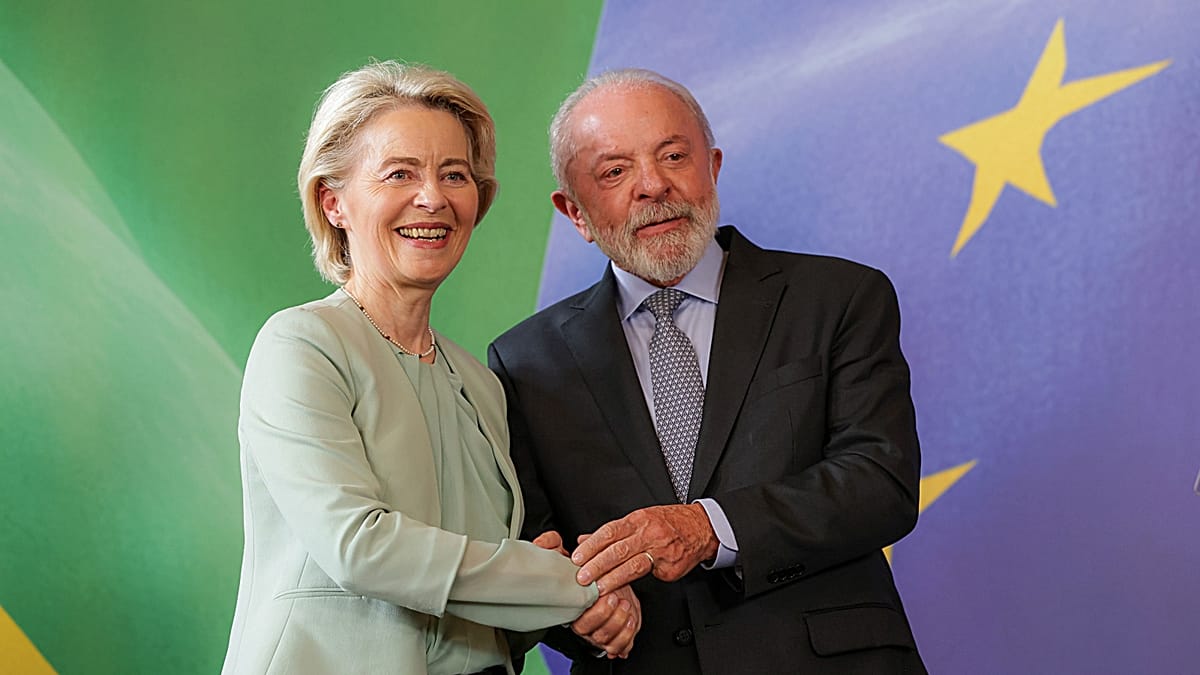

Lula wins Brazil election after cutting Amazon deforestation to record low
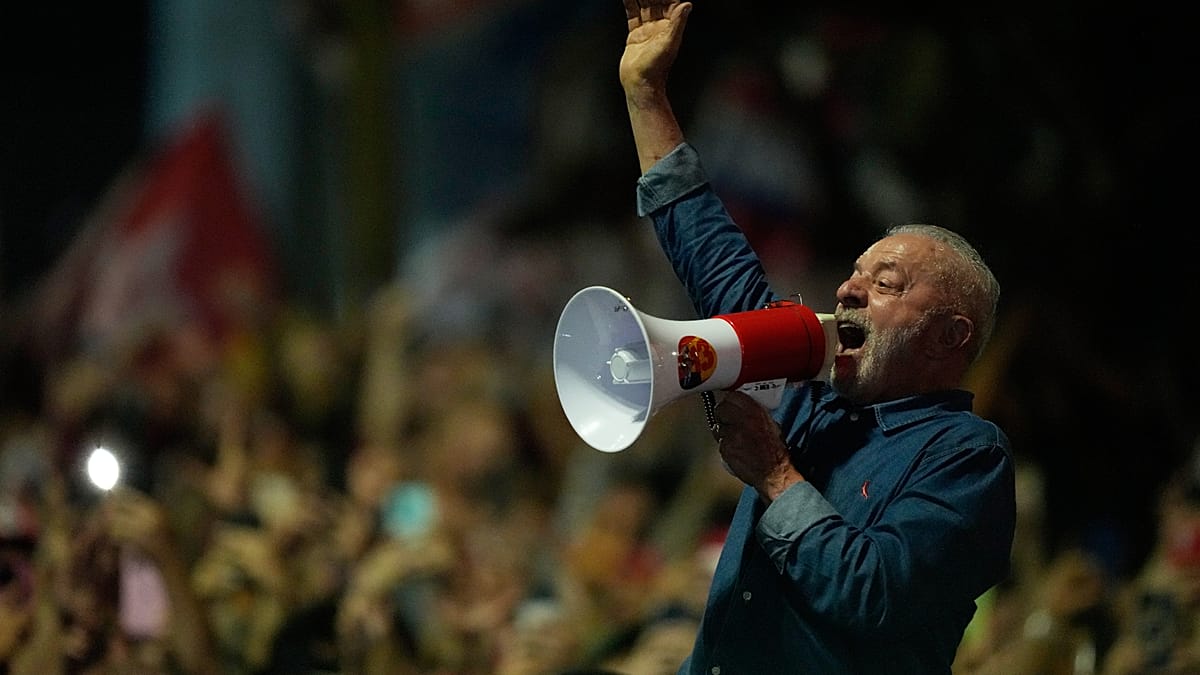
President Luiz Inácio Lula da Silva’s victory in Brazil’s election has been hailed as a win for democracy and the Amazon. Since his return to office in 2023, deforestation in the Brazilian rainforest has hit...
President Luiz Inácio Lula da Silva’s victory in Brazil’s election has been hailed as a win for democracy and the Amazon.
Since his return to office in 2023, deforestation in the Brazilian rainforest has hit a record low, dropping 42 per cent in the last year alone.
The left-wing President’s historic fourth-term reelection comes as a relief for environmentalists who feared a return to weakened nature and climate protections under right-wing opponent Flávio Bolsonaro, son of former President Jair Bolsonaro.
During his presidency from 2019-2023, environmental policies were dismantled and deforestation surged by around 60 per cent, with more than 45,000 square kilometres cleared.
Under Lula, deforestation has fallen 71 per cent below its 2022 level.
Greenpeace Brazil said the 2026 election result “is a win for democracy and maintains the commitment to protecting the Amazon and fighting climate change”.
This optimism has been shared by environmentalists around the world: “Hurrah for the Amazon, the Cerrado, Pantanal and all Brazil’s nature!”, posted Glenn Hurowitz, founder and CEO of global nature advocacy organisation Mighty Earth. “Lula’s reelection is a much-needed relief for the rainforest and the country’s other extraordinary ecosystems.”
Why is Brazil's Amazon important to the world?
“Brazil is home to most of the world’s largest tropical rainforest and five other biomes, harbouring around 15 per cent of global biodiversity,” says Camila Jardim, International Political Expert at Greenpeace Brazil.
“Protecting these ecosystems matters far beyond Brazil’s borders and is essential to halting biodiversity loss worldwide.”
The rainforest also stores huge amounts of planet-heating carbon dioxide and generates atmospheric moisture that helps regulate weather far beyond South America.
Under Lula’s government, deforestation in the Brazilian Amazon has fallen to its lowest level since monitoring began in 1988.
How did Brazil cut deforestation to record lows?
The huge progress in cutting deforestation is thanks to the Action Plan for the Prevention and Control of Deforestation in the Legal Amazon (PPCDAm), which had been shelved under Bolsonaro.
The plan strengthened satellite monitoring of illegal forest clearing and enforcement of sanctions. It also uses regulations and financial incentives to curb deforestation and promote sustainable actions.
“Lula’s election keeps hope alive for nature finance that can make trees worth more alive than dead,” says Hurowitz. “Under Lula, the Brazilian government launched the Tropical Forest Forever Facility, an elegant system where investors reward countries for conservation, but which needs more capital.”
“This progress must be sustained, and efforts to protect and restore ecosystems across Brazil’s biomes must intensify, respecting the rights of Indigenous Peoples and local communities,” says Jardim.
Right-wing congress could dampen Lula’s power
Flávio Bolsonaro has said he does not recognise the 2026 election result and will challenge it in court, citing a last-minute Supreme Court ruling that extended voting by two hours. Lula won by about 4.4 million votes, receiving about 51.8 per cent versus Bolsonaro’s 48.2 per cent.
Despite Lula’s narrow win, his rival’s party made huge gains in the National Congress.
“These elections saw a significant surge of the far-right in the National Congress, which includes a large contingent of climate deniers and anti-environmentalists,” Greenpeace Brazil said in a statement.
Bolsonaro’s Liberal Party will control 121 out of 513 seats in the Chamber of Deputies and 28 out of 81 seats in the Senate from February 2027. Lula’s Workers’ Party federation will have 88 seats in the Chamber of Deputies. Centre-right parties will be decisive in whether legislation passes.
“Over the next four years, public mobilisation will be essential to defend rights and prevent potentially irreversible environmental setbacks,” said Greenpeace Brazil.
“Although the government faces a hostile Congress, it can enforce the law and designate new parks and Indigenous reserves – locking in progress,” says Hurowitz.
Threats also remain from wildfires, logging and drought, with this year’s strong El Niño expected to bring hotter, drier conditions conducive to fires.