If US-Iran peace deal is signed, nuclear talks can finally resume
If we get to a Friday signing ceremony without this uncertain new US-Iran deal being derailed by any of its inherent ambiguities, then nuclear talks can finally restart in the same place – and at almost...
If we get to a Friday signing ceremony without this uncertain new US-Iran deal being derailed by any of its inherent ambiguities, then nuclear talks can finally restart in the same place – and at almost exactly the same point they were before this conflict started.
The world will have irrevocably been changed in other ways. There is no going back for the 120 Iranian children in Minab killed in their primary school in the war’s first hours, nor for their bereaved parents, or any of the thousands in Iran, Lebanon and around the region whose lives were erased or blighted by a feckless war of choice.
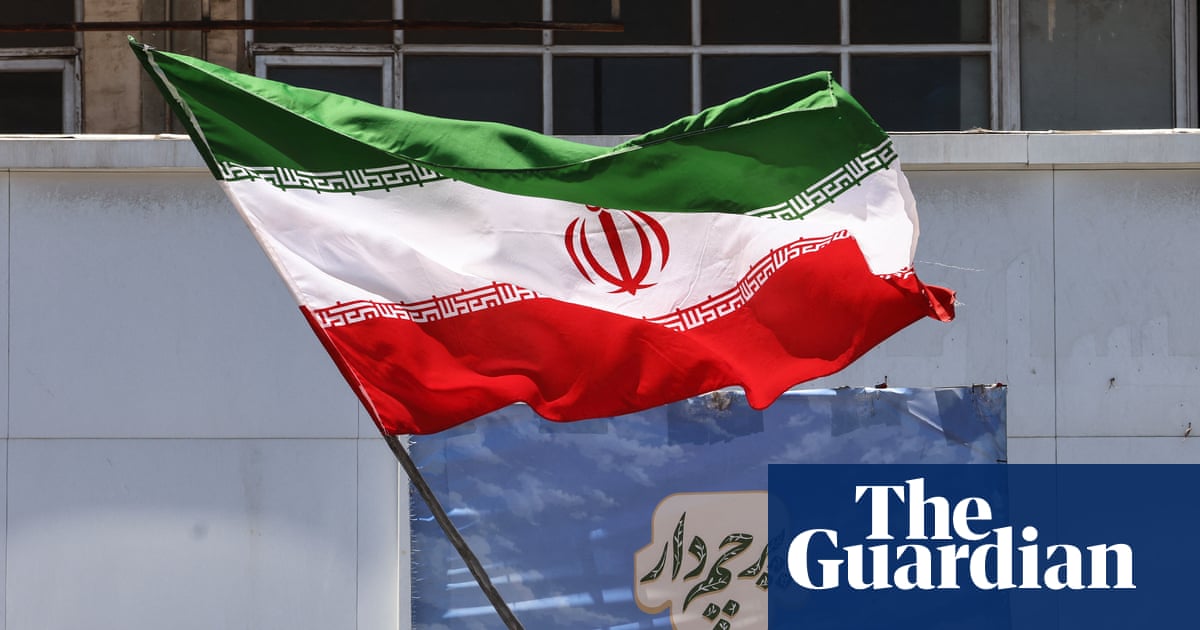
Iran itself has been changed as a state and society in ways which will only become clear in the coming months and years, but for the time being it is evident the military has been strengthened at the expense of secular civilian governance. Freedom and basic rights for Iranians are as elusive as they were before the conflict, maybe more so.
The Islamic Republic has been bolstered by its proven capacity to close the strait of Hormuz and squeeze the lifeblood of the global economy. Conversely, the power and credibility of the US has been undermined decisively in front of the entire world.
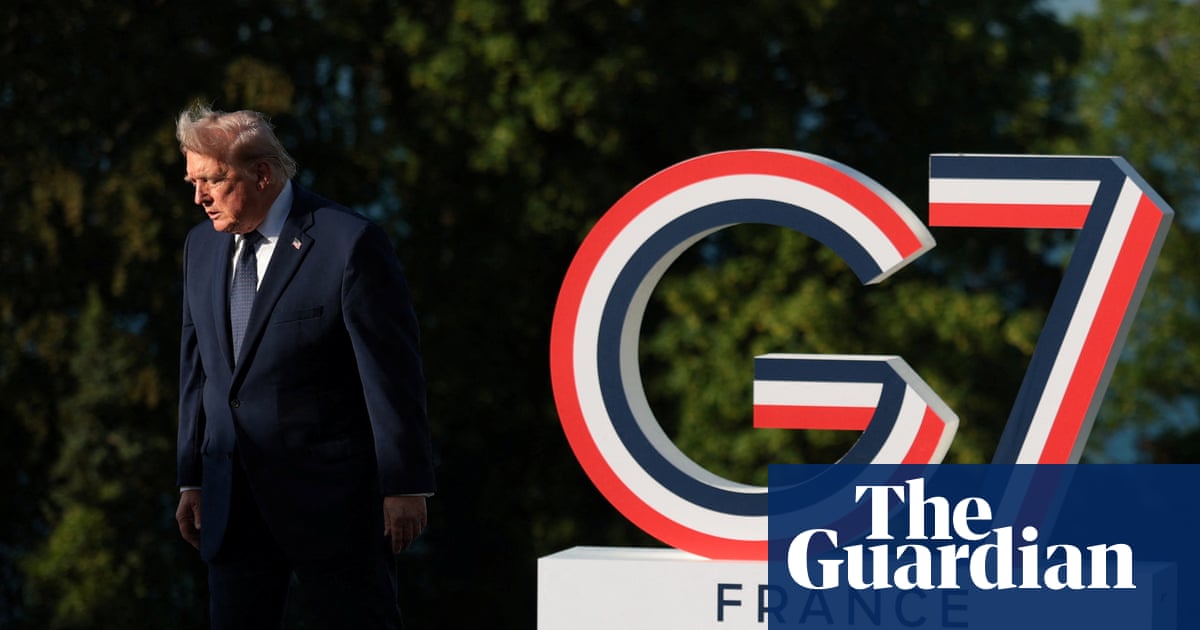
Donald Trump has so far achieved none of the stated regime change and nuclear disarmament goals he laid out when the war was launched with Israel on 28 February. The achievement he advertised overnight – “Ships of the World, start your engines. Let the oil flow!” – was a matter of claiming credit for fixing a problem his war had caused.
Even that is not in the bag yet. It is still a long way to Friday and a planned signing ceremony in Geneva, in view of all the fudges that have been packed into this compromise deal. It is not clear, for example, if Iran will continue to charge tolls (or “service fees”) for the use of the strait, nor whether $24bn (£18bn) of Iran’s frozen assets will be released and paid to Tehran before or during the intended nuclear talks in Geneva. The two sides have very different spins on what was agreed under those headings in the past few days.
Ultimately, the ships will only start their engines and the oil begin to flow through the strait of Hormuz when the shipping companies and insurance companies judge it to be safe – and that may be some days or weeks off.
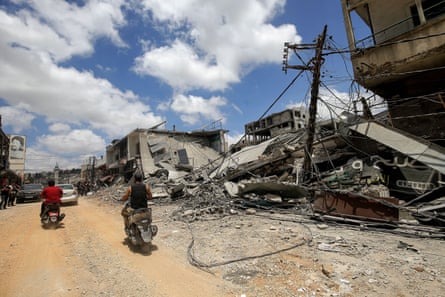
At the same time, Iran and the Pakistani brokers are adamant that the deal should stop Israel’s war against Hezbollah in Lebanon, but members of Benjamin Netanyahu’s coalition have already made clear they do not intend Israel to be bound by the agreement.
A deal that freezes the Middle East battlefield as it stands now is a political disaster for Netanyahu, who promised Israelis he would rid them of their worst enemies: Iran’s regime with its nuclear programme, Hezbollah, and Hamas. They are all still standing while Israel’s relationship with the US, its ultimate security guarantee, has taken a battering.
Netanyahu’s greatest success was finding a US president he could persuade to go to war with Iran with him, but that glimmering triumph has turned to ashes in his hands. Trump is now openly dismissing the Israeli prime minister as a “difficult guy”, and the relationship is unlikely to get any easier in the near future, as Netanyahu seeks to demonstrate his independence action to sceptical voters before elections due by October.
Trump will try to constrain Israel as much as possible – certainly to get to Friday’s signing, and through to the end of the US-hosted World Cup extravaganza – but Netanyahu has his own security and political imperatives. The divergence will sour the partnership still further, at a time when a majority of Americans no longer treat the relationship as sacrosanct.
A continuing Lebanese conflict will not be the only centrifugal force tearing at the limbs of this fragile agreement. There will be internal US and Iranian politics too, which could tempt each side to renege.
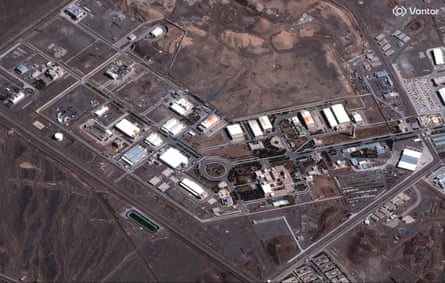
Most importantly, there will be the nuclear issue – the supposed casus belli itself, left essentially unmoved by the war. Starting from Friday, US and Iranian negotiators are due to sit down to 60 days of talks in Geneva to resolve the fundamental dispute over how much of a nuclear programme Iran should be allowed to have.
At the centre of the negotiations will be Iran’s right to enrich uranium, how long a moratorium on enrichment it should observe, and what should be done with its stockpile of uranium which has already been enriched to a level approaching weapons grade.
If that all sounds familiar, it is because it is exactly what was on the table in Geneva on 26 February, the last day of negotiations before Trump and Netanyahu went to war two days later. By all accounts, including those of UK government observers, those talks had been making progress at the time they were abruptly curtailed and the bombs started to drop.
The hope now is that some of that forward momentum can be restored, but the postwar Iranian delegation is likely to be an even tougher nut to crack. The regime has shown its durability and has a proven weapon in its pocket: the Hormuz option.
The Iranians will arrive knowing that it was Trump who blinked first to get this interim deal over the line. It seems to include no detailed parameters for future nuclear negotiations, as the Americans had wished, and Israeli reporting confirms arrangement for Tehran to get some of its frozen assets delivered before the Geneva nuclear talks, as Iran had demanded.
If Trump and Netanyahu had set out to demonstrate the futility of war, they could not have staged it better.