
Can the EU’s energy solutions lower your bills? Take our poll
EU energy ministers want to shield households and businesses from a harsh winter pricing, as the massive geopolitical shock in the Middle East has sent European gas prices surging past a four-year high of €97 per megawatt-hour.
Published on 2 November 2026 - 10:43 GMT+1•Updated 10:46
EU energy ministers met energy on October 29 and confronted a painful reality: despite massive efforts to wean the bloc off Russian fuel, the EU remains entirely at the mercy of the next global supply disruption.
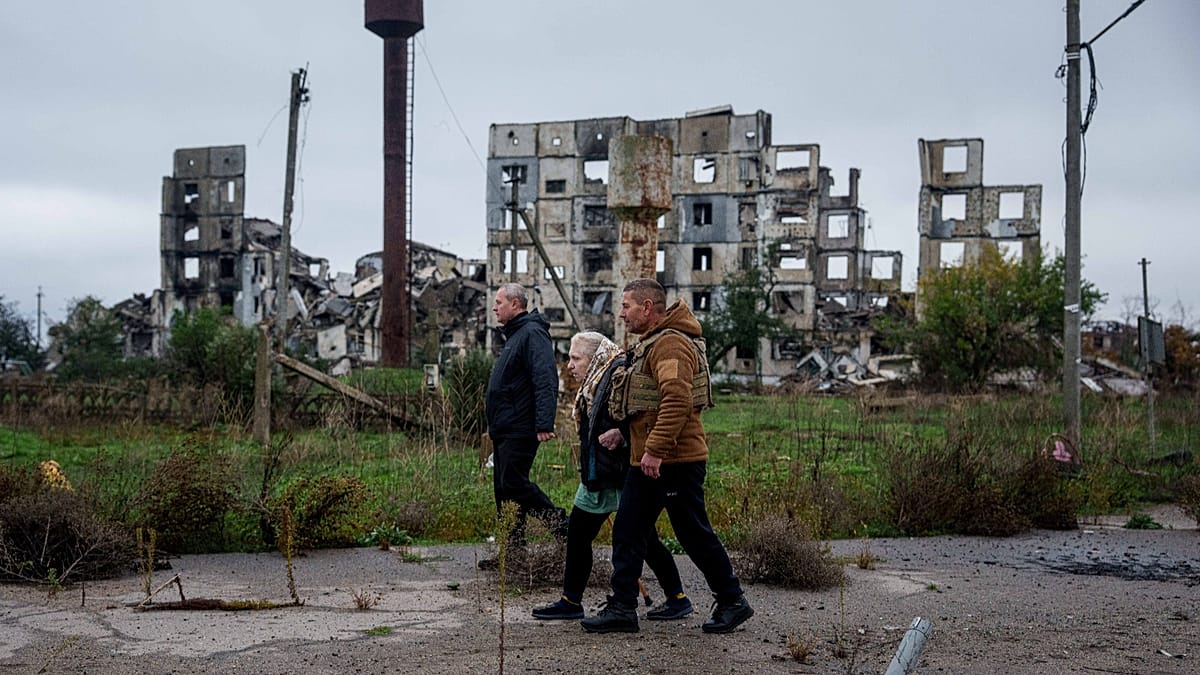
Why? Before Russia’s full-scale invasion of Ukraine, it supplied around 45% of the EU’s gas imports, compared with just 12% in 2025. To replace it, Europe has turned to more expensive liquefied natural gas (LNG) from countries such as the US. Meanwhile, the conflict in the Middle East (with the closure of the Strait of Hormuz) is pushing prices higher as Europe competes with Asian countries for alternative imports.
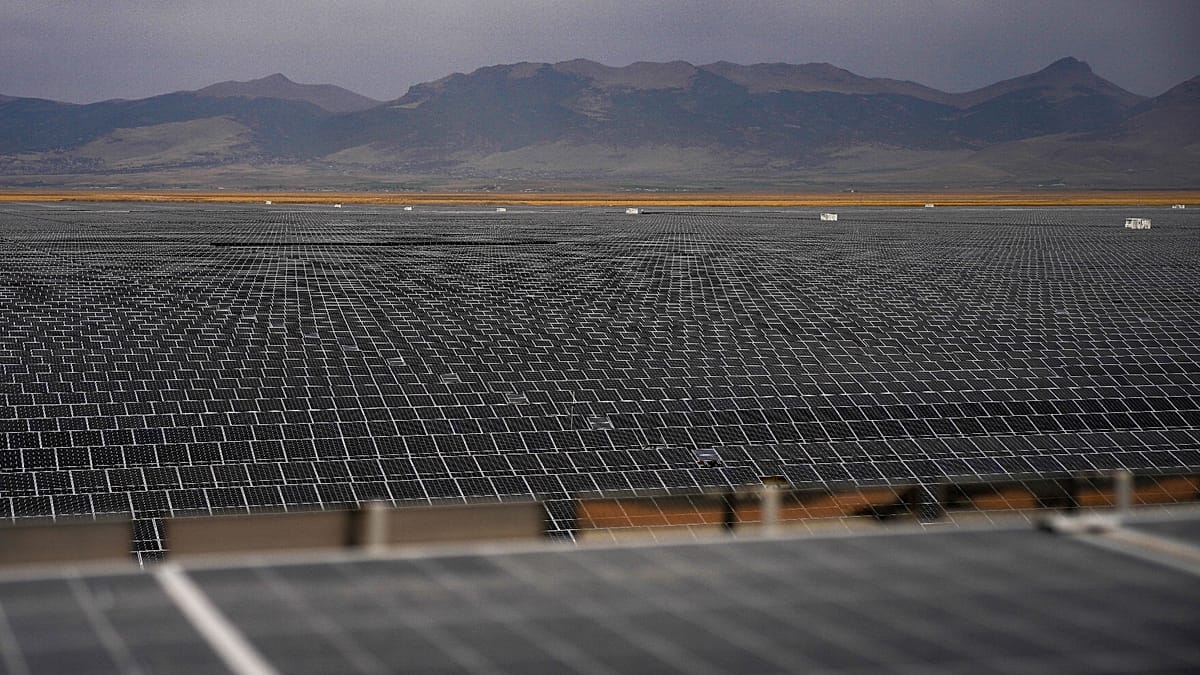
To provide immediate relief to consumers this winter, member states intend to lower utility bills by reducing electricity network charges and cutting state-imposed taxes on power. Additionally, the plan introduces incentives for households and businesses to shift high-energy activities to cheaper, off-peak hours. To secure physical supplies, the plan also mandates stricter coordination of emergency gas stockpiles across member states to prevent regional shortages as temperatures drop.
Can these measures be enough? Are energy bills reaching a breaking point for households? Our poll is anonymous and takes only a few seconds to complete. The results will be featured across XL's EU-wide coverage, including videos, articles and newsletters, and will help shape our reporting as we examine how Europe can secure its position in the age of artificial intelligence.