China wants to suppress independent cinema. But young film-makers are undaunted by red lines
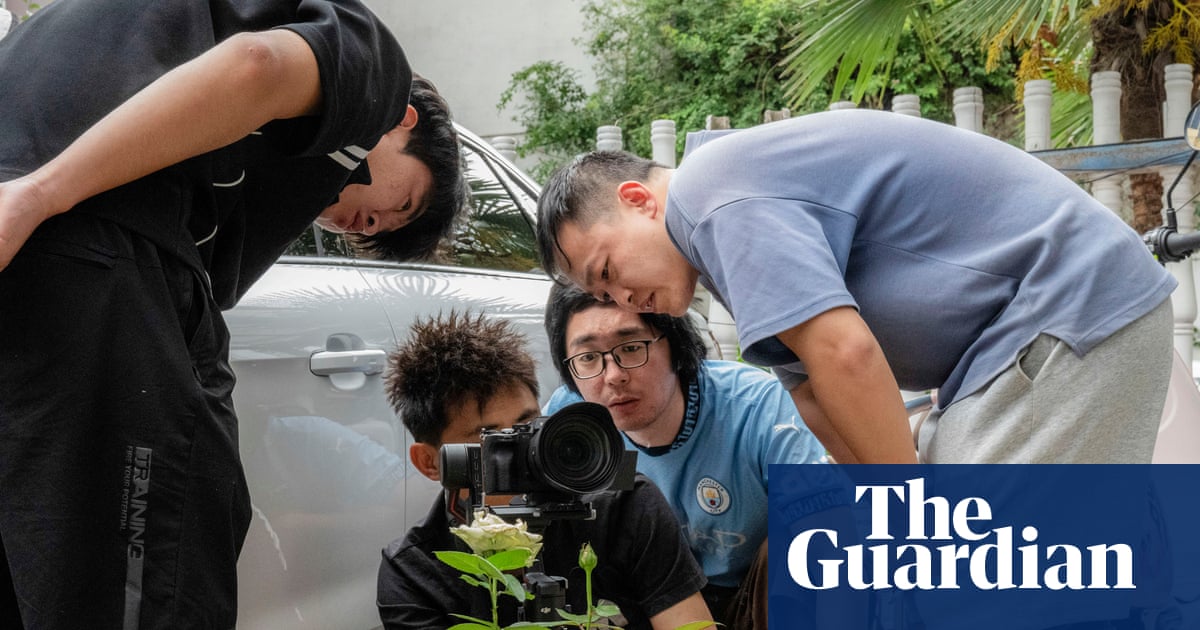
Class started at 9am. Assignments were doled out, ideas were pitched and scripts written, followed by a long day of shooting and editing. Twelve hours later, 20 aspiring and exhausted film-makers were sat in...
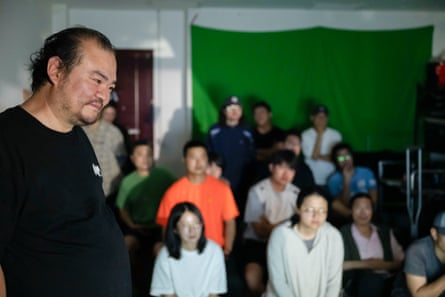
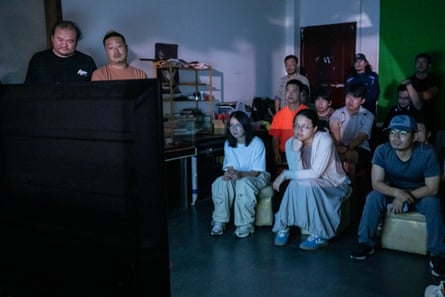
Class started at 9am. Assignments were doled out, ideas were pitched and scripts written, followed by a long day of shooting and editing. Twelve hours later, 20 aspiring and exhausted film-makers were sat in a crowded, makeshift studio, listening to their work being trashed.
“The content is still too poor,” the course director, Nan Xin, remarked, after watching a two-minute film about boys on the loose who harass a stray dog.
“I didn’t see any deep thought in it. What you did left me with no clue how to actually process it,” Nan told the film’s auteurs, who took the feedback with admirably straight faces.
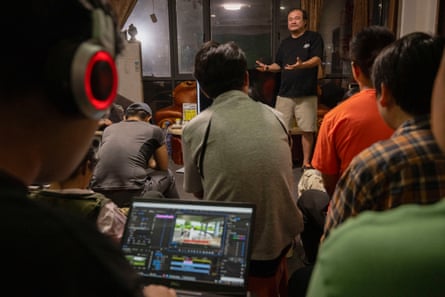
More films, more feedback. “Too cliched.” “Useless piece of dialogue.” Nan, a garrulous 36-year-old with an impish smile, seemed to relish in demolishing his students’ work. But he insists it is to help them grow as filmmakers.
Nan, a self-taught filmmaker who left school at 15, says he wants to widen access to the craft through offering cheap or free workshops packed full of hands-on experience. Nan hosts several courses throughout the year. Each lasts about 10 days and hosts up to a couple of dozen of students who pay 50 yuan (£5.49) per day, or sometimes less, to attend.
Nan is best known for Go Fishing, a 2022 low-budget production set in his home town of Lingbao, a tiny city in central China’s Henan province.
The film, which was selected for a few international film festivals, tells the story of old friends who reconnect after a decade apart. One critic praised its depiction of “apparent banality … which now constitutes the common destiny of an entire generation”.
But the film has never been released in China. That is because it does not have the longbiao, the “dragon seal” administered by the China Film Administration, which determines which films can be legally screened. The authorities rejected Nan’s longbiao application for Go Fishing on the grounds that it “does not align with core socialist values”.
China’s censorship regime has tightened in recent years. Filmmakers have always needed to apply for a longbiao to release films domestically; a law passed in 2016 says the permit is needed to submit films overseas as well.
Coupled with a crackdown on China’s once lively independent film festival scene, the impact has been profound.
As China opened up in the 1990s and film-makers developed outside the state-controlled economy, “there was a lot of interest in ideas like civil society, the public sphere”, says Chris Berry, a professor of film studies at King’s College London. “When Xi Jinping came to power [in 2012] these things were said to be pernicious western liberal democratic ideas that were not appropriate to China.”
The result is that films that critique society, of which there were several in the early 2000s, are rarely seen in China these days.
“You never know what the criteria are,” says a leading independent documentary director, who asked to remain anonymous because of fears of harassment. “The result often comes down to one individual censor. If they think that something is problematic, then it is.”
Still, in the age of iPhones and cheap, portable equipment, there is little to stop budding filmmakers from shooting their shot. Nan encourages them to focus on their craft rather than future hurdles. “I tell students not to think about censorship,” he says. “It’s not the young people’s responsibility that Chinese cinema has come to this situation.”
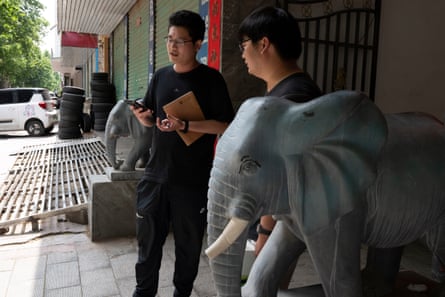
Many of Nan’s students, who have travelled from across China for the workshop in Lingbao, insist they are unconcerned by China’s creative controls.
Han Xizhu, a 24-year-old engineering graduate, says there are no limits to his creative vision. “I haven’t really felt a lack of freedom,” he says. China’s censorship requirements only restricts “negative things”.
Han dreams of making “light and relaxed” films about personal relationships, like Woody Allen’s Annie Hall. “It doesn’t have to discuss some major theme, or link back to society and all that.”
The choice to focus on the personal rather than the societal is one that many young filmmakers are making, whether or not they are consciously influenced by the censorship regime. “It’s really difficult to look outward. A lot of people just focus on their family stories,” says the documentarian.
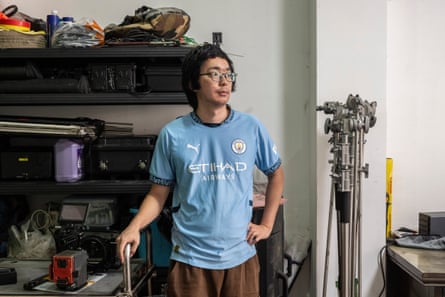
Seasoned filmmakers talk of a suffocating regime that the students have yet to encounter. Away from his students, Nan concedes: “They don’t have any issues right now. But the moment they decide to make a feature film, censorship will become their nightmare.”
Guo Xiaodong, an independent filmmaker based in Beijing, says that the authorities show more leeway with short films, in part because they’re less likely to have a large impact. But for feature-length productions, “censorship will play a very important role in the creative process”.
Some of Nan’s students have already had a taste of the red lines. Xu Shuai, 24, left a job at a theatre in Beijing last year, in part because he grew fed up with censorship. His job involved reviewing what could and couldn’t be staged. Much of it was guesswork, but themes that his team rejected included sex, suicide, government criticism, and anything Japanese. “I felt so bad. I was killing new ideas every day,” he says.
Now he wants to make films about topics that are important to him. In particular, depression. Films that depict mental health problems may help sufferers feel less lonely, he says. “I don’t know if we could talk about [depression] in China,” he says, because the government may fear a social contagion. But he’s going to try anyway. Despite Nan’s harsh criticism, Xu says that he’s been inspired by spending time with fellow creatives.
“I used to be a pessimist. I used to think there are a lot of people doing great things, and what I’m doing is shit. But there’s a huge difference now, I don’t think that way any more. Maybe the changes started here … it’s magic.”
Additional research by Yu-chen Li