Oil prices and US bond yields rise as Trump and Iran trade reparations demands
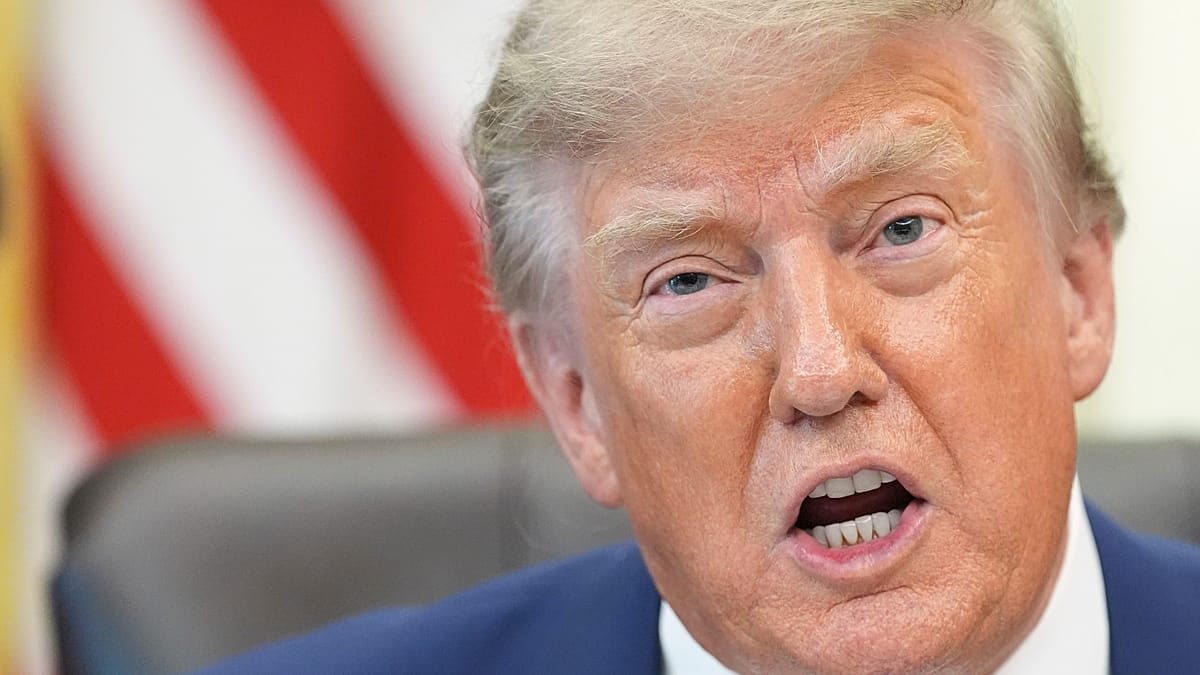
Oil prices and US government bond yields both climbed on Tuesday after US President Donald Trump answered Iran's demand for war reparations with a sweeping counterclaim of his own, pushing a deal to reopen the Strait of Hormuz further out of reach.
Published on 11/08/2026 - 13:25 GMT+2
Crude and US Treasury yields rose together as traders judged that the exchange of compensation demands between the US and Iran has pushed any potential deal further out of reach.
The US president said on Monday he had told his negotiators to seek payment from Iran for Americans killed and wounded in attacks he attributes to Tehran going back decades, including the bombing of the USS Cole in the year 2000 and for Iranians killed in protest crackdowns.
In a follow-up post on Truth Social he expanded on the demand, saying Iran should also pay for "the damages and death caused to the people of Lebanon, Syria, Yemen, and Gaza".
Tehran, whose representatives had sought compensation for five months of US and Israeli bombardment, says the Strait of Hormuz will stay shut until Washington lifts its naval blockade, ends sanctions and releases frozen Iranian assets.
The front month contract on Brent traded at around $89.8 a barrel on Tuesday and West Texas Intermediate at about $84.2, both up roughly 2.5%.
The US bond market read it the same way, with yields rising across the US curve in a modest global sell-off, the two-year over 4.25%, the ten-year above 4.7% and the thirty-year higher than 5.27%. The yields for all durations are trading at the highs of this year.
Since yields move inversely to prices, the rise means investors are selling government debt as they expect that costlier oil will feed into inflation and strengthen the case for higher interest rates.
Money markets now put roughly even odds on a Federal Reserve rate hike in September, with July inflation data due on Wednesday.
Control claimed, traffic missing
The current stalling of US-Iran negotiations is deliberate as US President Donald Trump appears to have been favouring a slower approach as of late.
The US president told Axios in an interview published on Sunday that the US is "low-keying it," meaning Washington was only semi-negotiating and content to watch Iran's inflation and empty coffers do the work, a signal he is prepared to let economic pressure mount rather than order a fresh military campaign.
In the Oval Office on Monday, he struck a triumphant note, claiming the US controls "100%" of the Strait of Hormuz, that only the US Navy holds sway in the region, that American forces have swept it clear of Iranian mines and that the blockade of Iranian ports is impenetrable.
However, shipping data tells another story.
Confirmed crossings have run at 6 to 11 vessels a day recently, against the 130 to 140 daily before the war, according to Kpler data, leaving traffic at a fraction of normal levels throughout the five-month conflict.