Electrification, AI and fossil fuels: What to expect as Türkiye hosts major climate summit next month
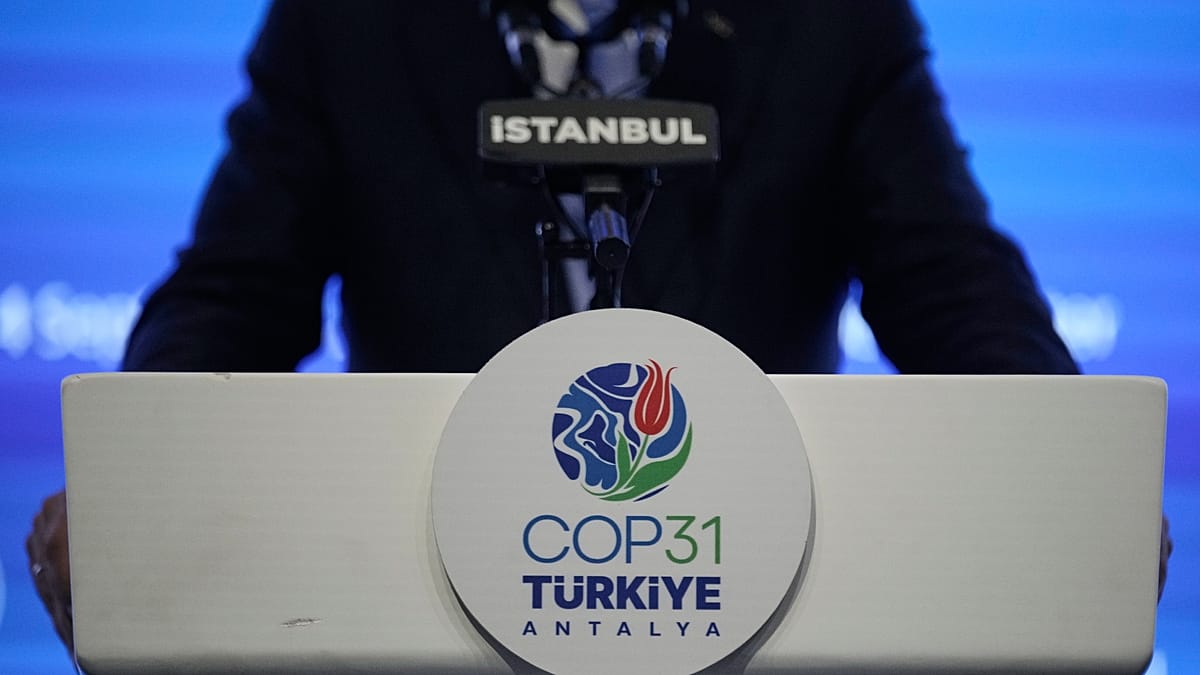
All eyes will be on Türkiye next month as the country hosts the world's biggest climate summit. COP31 opens in the seaside city of Antalya on 9 November, bringing 197 countries together to grapple with record...
All eyes will be on Türkiye next month as the country hosts the world's biggest climate summit.
COP31 opens in the seaside city of Antalya on 9 November, bringing 197 countries together to grapple with record global temperatures, mounting climate damage, and growing pressure to shift away from planet-heating fossil fuels.
While Türkiye won out as host country, the marathon negotiations will be steered by Australia in an unprecedented arrangement reached after both nations bid to stage the world's premier climate gathering.
This year's formal UN talks are set to be light on big-ticket items, with voluntary climate pledges taking centre stage.
Alongside these, the host intends to push electrification as one path to reducing emissions and dependency on fossil fuels. Critics have warned that electrification must be pursued in tandem with clean power if it is to deliver on decarbonisation.
How will a devastating year of climate disasters and turmoil in global energy markets shape discussions inside and outside the negotiating rooms?
Will a fossil fuel phaseout be on the table at COP31?
Efforts to reach a global consensus on setting concrete targets or pathways for phasing out fossil fuels have stalled and the perennially thorny issue is not a formal item in the COP31 negotiations.
In the absence of consensus, Brazil is expected to release a voluntary 'roadmap' to guide the transition away from coal, oil and gas after nations failed to agree on the process at last year's COP.
But frustration over the fossil fuel impasse could reignite in Antalya. This year, about 60 nations demanding faster action on fossil fuels staged their own breakaway conference outside the United Nations process.
It is unclear how they may be accommodated at COP31 but Türkiye and Australia have promised predictability at COP31 and no last-minute surprises.
Why a focus on electrification could be problematic
Türkiye and Australia want the focus instead on electrification – essentially, replacing technologies that burn fossil fuels directly, like diesel cars and gas heating, with electric alternatives.
Their flagship initiative in Antalya urges countries to commit to a voluntary target to raise the share of final energy demand met by electricity from about 20 per cent today to 35 per cent by 2035.
The hosts say boosting electrification could cut heat-trapping emissions and reduce reliance on costly fossil fuel imports – a major concern for nations after the Middle East war triggered a global energy shock.
But around one-third of the world's electricity is still produced using coal, and the electrification target does not explicitly state how that extra power should be produced, raising questions of credibility.
What voluntary climate pledges are expected on the sidelines of COP31?
Apart from the centrepiece electrification goal, Türkiye is spearheading a range of voluntary initiatives on themes including artificial intelligence, methane and waste reduction, and climate-resilient cities.
These non-blinding pledges are slated for a separate 'action agenda' which runs parallel to the formal COP talks, where decisions are taken by consensus and nations must agree on every line of the text.
This year the hard-fought negotiations contain few headline-grabbing items and deal mostly with technical issues carried over from previous conferences.
Climate finance in the wake of the Nepal floods
Another recurring sore spot at COPs, the amount of financial assistance provided by wealthy countries will be scrutinised again in Antalya, especially after devastating floods in Nepal linked to climate change.
Kathmandu's appeal for assistance has revived longstanding calls for historic polluters to cough up more to help poorer nations shift to renewable energy, adapt to climate impacts, and recover from disaster.
Türkiye has pitched itself as a bridge between developed and developing countries and incoming COP31 President Murat Kurum said closing the climate finance "chasm" would be a key priority in Antalya.
Who will host COP's 'global stocktake' in 2028?
At COP33 in 2028, countries will undertake a 'global stocktake' of progress on climate action. These take place every five years and assess where the world has fallen short in meeting the goals of the Paris Agreement.
But this crucial COP doesn't have a host yet after India withdrew its candidacy.
China is mulling a bid, according to sources familiar with the matter, as Beijing seeks to burnish its reputation as a global leader on climate change, particularly in the absence of the United States.
A decision does not have to be taken this year but the prospect of a politically-charged Beijing COP is expected to be a hot topic in Antalya.