India launches first hydrogen-powered passenger train to cut emissions
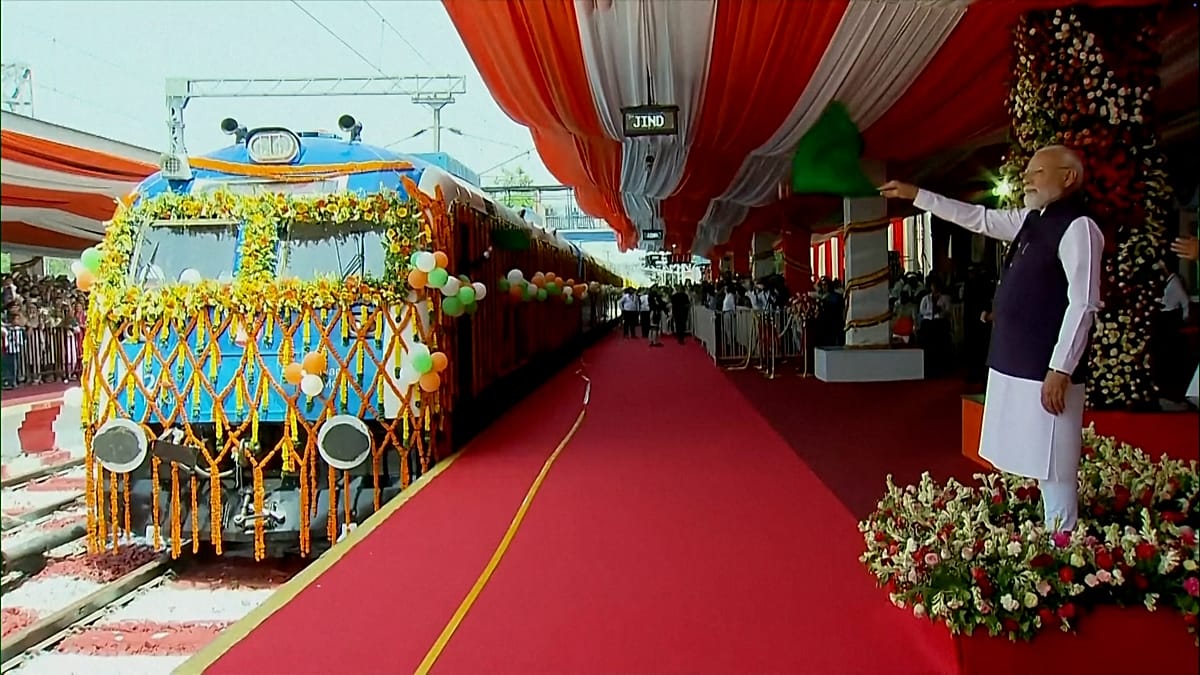
India has inaugurated its first indigenously built hydrogen-powered passenger train, marking a significant milestone in the country’s efforts to modernise its vast railway network and reduce transport-related...
India has inaugurated its first indigenously built hydrogen-powered passenger train, marking a significant milestone in the country’s efforts to modernise its vast railway network and reduce transport-related emissions. Prime Minister Narendra Modi officially launched the “NaMo Green Rail” service at Jind Junction in the northern state of Haryana on 17 July, presenting the project as part of a broader push towards clean energy and technological self-reliance.
The train set consists of two hydrogen-powered driving cars and eight passenger coaches, with a top speed of around 75 km/h and a total capacity of approximately 2,600 passengers. Designed for short- to medium-distance routes, the pilot service is intended to test the operational viability of hydrogen propulsion on lines that are not yet fully electrified. The project also includes dedicated hydrogen production, storage and refuelling infrastructure, allowing engineers to evaluate safety, efficiency and performance under real-world conditions.
Hydrogen fuel cell technology generates electricity through a chemical reaction between hydrogen and oxygen, producing only water vapour and heat as by-products. Officials say this makes it a promising low-emission alternative to diesel-powered trains, which are still widely used on parts of India’s rail network.
The initiative forms part of India’s National Hydrogen Mission, which aims to position the country as a global hub for green hydrogen production and usage. It also aligns with India’s broader climate commitments, including a target of achieving net-zero carbon emissions by 2070.