Pentagon bans journalists from press office, citing classified material
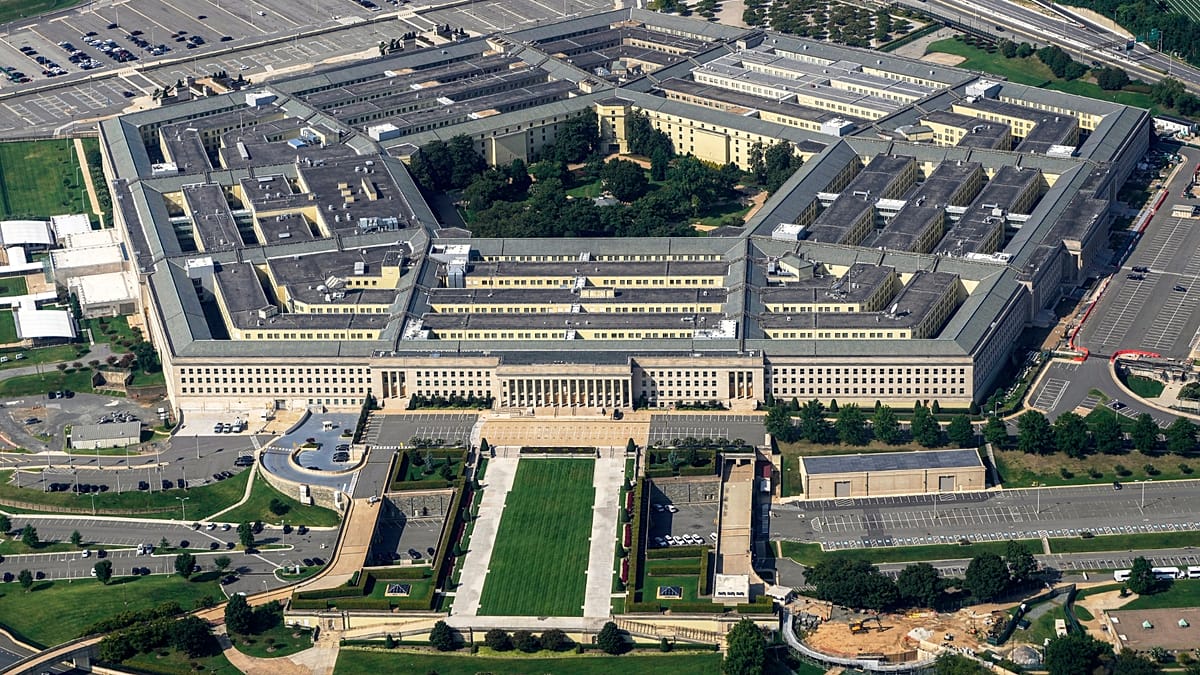
The Pentagon has barred journalists from entering its press office after redesignating the space as a Sensitive Compartmented Information Facility (SCIF), a secure area used for handling classified information.
Published on 02/06/2026 - 8:32 GMT+2
Acting Pentagon press secretary Jose Valdez said the change was necessary because the facility is now shared with speechwriters from the office that the administration refers to as the "War Department". According to Valdez, these speechwriters routinely work with classified material, which forces the space to meet SCIF security standards.
In a statement published on social media, Valdez said: "The Pentagon Press Office has been redesignated as a Sensitive Compartmented Information Facility due to speechwriters from the Office of the Secretary of War sharing the facility."
He added that journalists would no longer be allowed to enter because of the classified nature of the space.
The decision is the latest step in a broader dispute between the Pentagon and major news organisations over press access. For decades, accredited reporters were able to move relatively freely through parts of the Pentagon while gathering information and speaking with officials. That access has been progressively reduced during the second Trump administration.
Growing press limitations
The dispute escalated in October 2025 when the Pentagon introduced new rules requiring journalists to agree not to gather or publish certain information without official approval. Many major news organisations, including The New York Times, CNN, ABC News, CBS News, NBC News and the Associated Press, refused to accept the restrictions and gave up their long-term Pentagon access badges.
The Pentagon later imposed additional measures, including a policy requiring reporters to be accompanied by official escorts while inside the building. The New York Times challenged those restrictions in court, arguing that they interfered with independent reporting and violated constitutional protections for the press.
In March 2026, a federal judge ruled that some of the Pentagon's restrictions on journalists were unlawful and ordered the department to restore access.
Instead of fully returning to the previous system, the Defense Department introduced a new interim policy requiring reporters to be accompanied by official escorts while inside the Pentagon. The New York Times argued that the new policy effectively replaced one set of restrictions with another and returned to court. In April, the same judge ruled that the escort requirement violated his earlier order.
However, an appeals court later paused part of that ruling while the government challenged it, allowing the escort policy to remain in effect during the appeal process.
The New York Times filed a second lawsuit in May, arguing that the escort policy represented "an unconstitutional attempt by the Pentagon to prevent independent reporting on military affairs". The legal dispute remains ongoing, with appeals still working their way through the courts.
Meanwhile, the Pentagon defends its actions as necessary for security and operational reasons. Valdez said: "This is the most transparent war department in history. No amount of spin from the Fake News media will change that."
Media organisations and press freedom advocates, however, argue that the restrictions make independent scrutiny of the US military more difficult and reduce transparency within one of the world's most powerful government institutions.