Extreme heat fire risk, an exponential threat to children born today in Spain
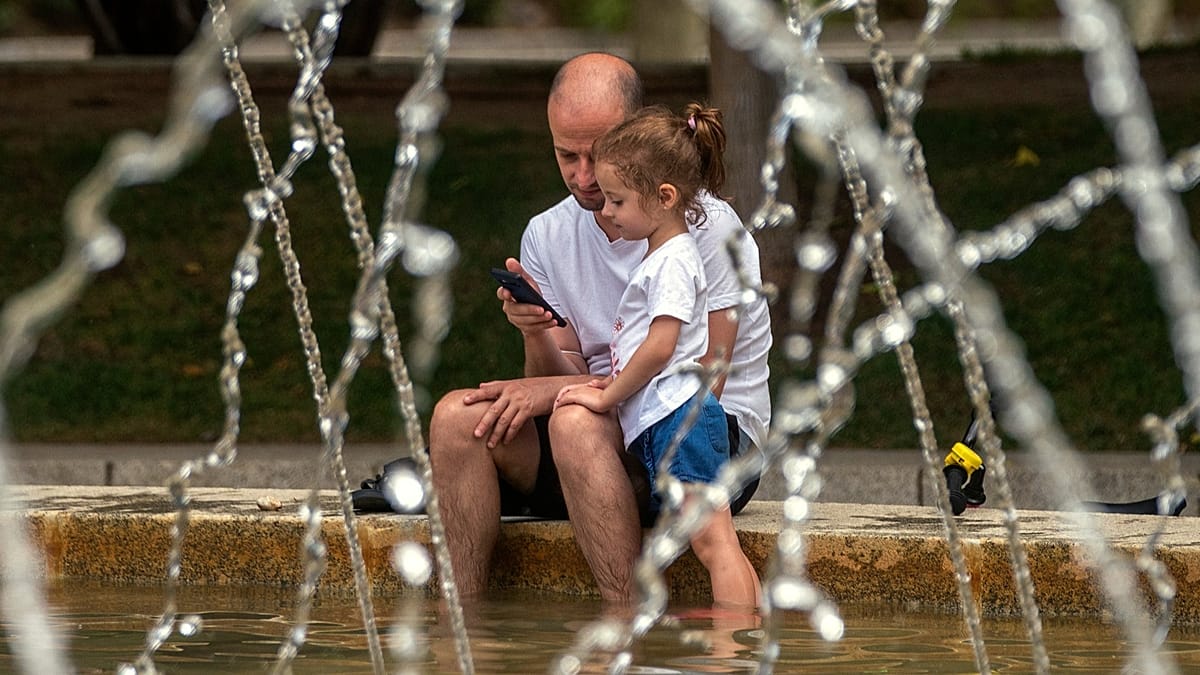
A study by Vrije Universiteit Brussel and the University of Murcia estimates that people born in Spain in 2025 will endure 7.3 years of extreme weather favouring wildfires, 3.8 years more than those born in 1950.
A child born in Spain in 2025 will experience over the course of their life the equivalent of 7.3 years with extreme weather conditions favourable to wildfires, according to new research from Vrije Universiteit Brussel (VUB), in which the University of Murcia has also taken part. The figure represents 3.8 additional years compared with a person born in 1950, an increase of 108.5%, in other words more than double.
The estimate is based on a scenario in which global temperature is on track to rise by 2.6 °C by 2100, in line with what is expected if current climate policies remain in place. The study has been published in the journal "Environmental Research Letters" and examines the level of exposure to weather conditions favourable to wildfires that different generations can expect over their lifetimes.
The figure for Spain forms part of a broader investigation into the future facing Europe’s new generation, in a continent that is warming faster than the rest of the world.
A couple of months ago, the UN highlighted that Spain "recorded its hottest June days since records began on the 23rd and 24th, with temperatures above 40 °C in numerous locations" and warned that extreme heat poses a threat to "health, the economy, agriculture and infrastructure".
"Prolonged heat raises the risk of wildfires, heat stress and damage to economic activity, infrastructure, crops and ecosystems," the international body warned in a statement (source in Spanish).
In fact, Spain has recorded 5,232 deaths attributed to high temperatures so far in 2026, the highest number since the Daily Mortality Monitoring system (MoMo) began its data series in 2015.
The figure used by VUB for Spain forms part of a wider study into the future of Europe’s new generation, in a continent that is warming faster than the rest of the world. According to the research, a person born in Europe will on average live through 3.2 additional years of extreme weather conditions favourable to wildfires compared with the Baby Boom generation. That is an increase of 84% compared with those born around 1950.
"Our results show that the level of wildfire risk today’s children will face over their lifetimes is fundamentally different from what their grandparents experienced," says Rosa Pietroiusti, co-author of the study and postgraduate researcher at VUB, quoted in a statement. "A child born in Europe today will spend many more years of their life exposed to extreme weather conditions favourable to wildfires, a particularly heavy burden in the Mediterranean region."
A record-breaking summer
The findings come after a summer marked by severe wildfires in countries such as Spain. The authors point out that the fires have been driven largely by repeated heatwaves since the start of the summer and recall that, according to studies, some of these heatwaves would have been virtually impossible without the effects of climate change.
By weather conditions favourable to wildfires, the authors mean those hot, dry and windy situations that increase the likelihood of fires breaking out, help them spread more rapidly and make them harder to extinguish. Climate change, driven mainly by the burning of fossil fuels, is making these conditions more frequent and more severe, the researchers note.
This can extend wildfire risk to seasons and regions that were rarely affected in the past, with consequences for people, homes and nature. The study thus shines a light on a key issue, intergenerational justice: those being born now will be exposed for longer to weather conditions that favour wildfires.
"Young people are those who have contributed least to causing climate change and yet they will be the ones living with its consequences for the longest," Pietroiusti laments. "That is why youth-led climate justice movements and legal initiatives are now demanding more ambitious climate action from governments and companies, in order to avoid the worst effects of future climate risks."
A future still to be decided
However, the VUB researchers stress that the future is not completely predetermined. A rapid reduction in the use of fossil fuels would cut exposure to weather conditions favourable to wildfires in all regions. For people born in 2025, such a reduction would, according to their calculations, mean an average decrease of 1.3 years of exposure to these conditions, both in Europe and in Spain.
"The hopeful message from our findings is that this future is not yet written," says Wim Thiery, co-author of the study and professor at VUB, who argues that ambitious cuts in greenhouse gas emissions can significantly reduce wildfire risk and protect new generations.
The researcher also points to the falling costs of solar and wind energy and believes that a rapid reduction in the use of fossil fuels is achievable. "Every fraction of a degree of warming we avoid translates directly into fewer weather conditions favourable to wildfires over a child’s lifetime," Thiery says, linking this reduction in risk to the chance for new generations to enjoy a fuller, healthier life.