First time: solar power is Portugal's main source of electricity in July
Published on 05/08/2026 - 13:52 GMT+2 Solar power was, for the first time, the main source of electricity generation in Portugal, dominating supply in July. According to...
Published on 05/08/2026 - 13:52 GMT+2
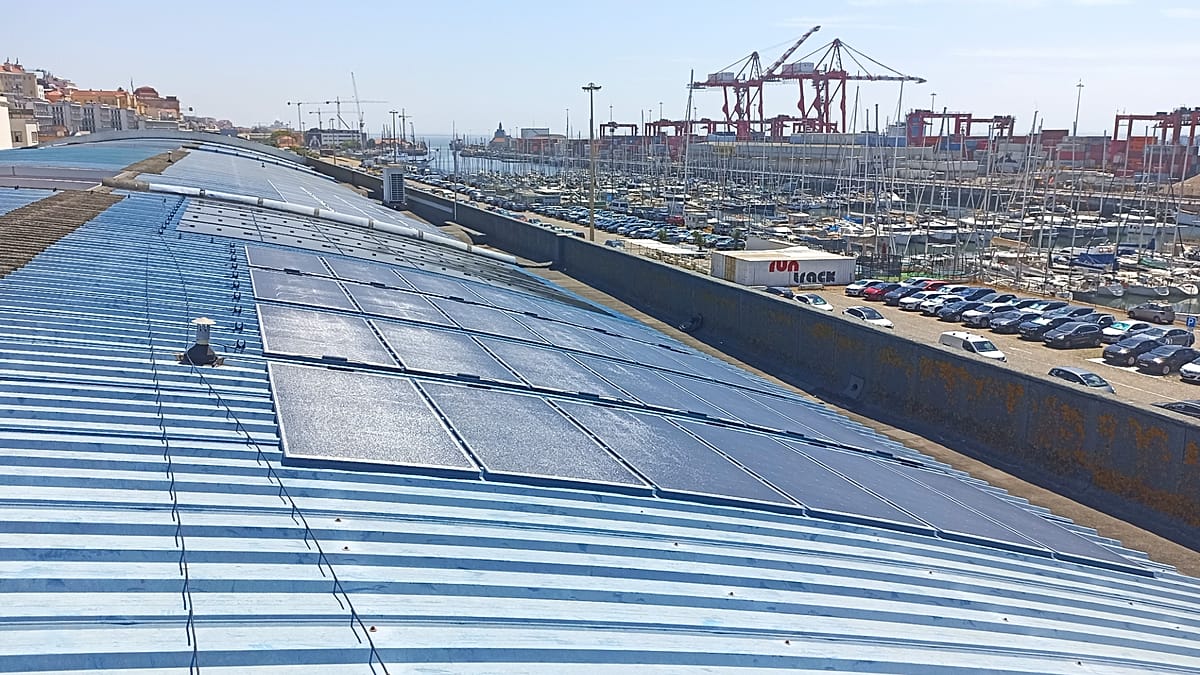
Solar power was, for the first time, the main source of electricity generation in Portugal, dominating supply in July.
According to data released by Redes Energéticas Nacionais (REN (source in Portuguese)), renewable energy sources accounted for 53% of electricity consumption in the seventh month of the year. Photovoltaic generation tops the table with 19%, ahead of hydropower (16%) and wind (13%), as well as biomass (5%).
REN specifies that the peak of solar production in Portugal was reached on 29 June at 13:30, with a record value of around 3,800 megawatts (MW).
Clean energy sources continue to play a dominant role in the country. In the first seven months of 2026 they supplied 68% of consumption,although over this longer period solar photovoltaic (12%) loses ground to hydropower (27%), which tops the ranking, followed by wind (24%). Biomass once again accounted for 5% of electricity generation in the year to date.
In July, both solar (0.89) and wind (0.71) were below their historical average productivity, with indices lower than that of hydropower (1.26).
Non-renewable generation supplied 13% of the electricity system in July, with the remaining 34% imported from Spain.
Electricity consumption rose by 3% last month and was up 3.5% in the first seven months of 2026 compared with the same period last year.
From January to July this year, natural gas consumption increased by 4.1%.
Nigeria and the United States remain the main source markets for the natural gas consumed in Portugal, accounting for 53% and 33% of the total respectively.