The internet is not safe for children, say UK police bosses
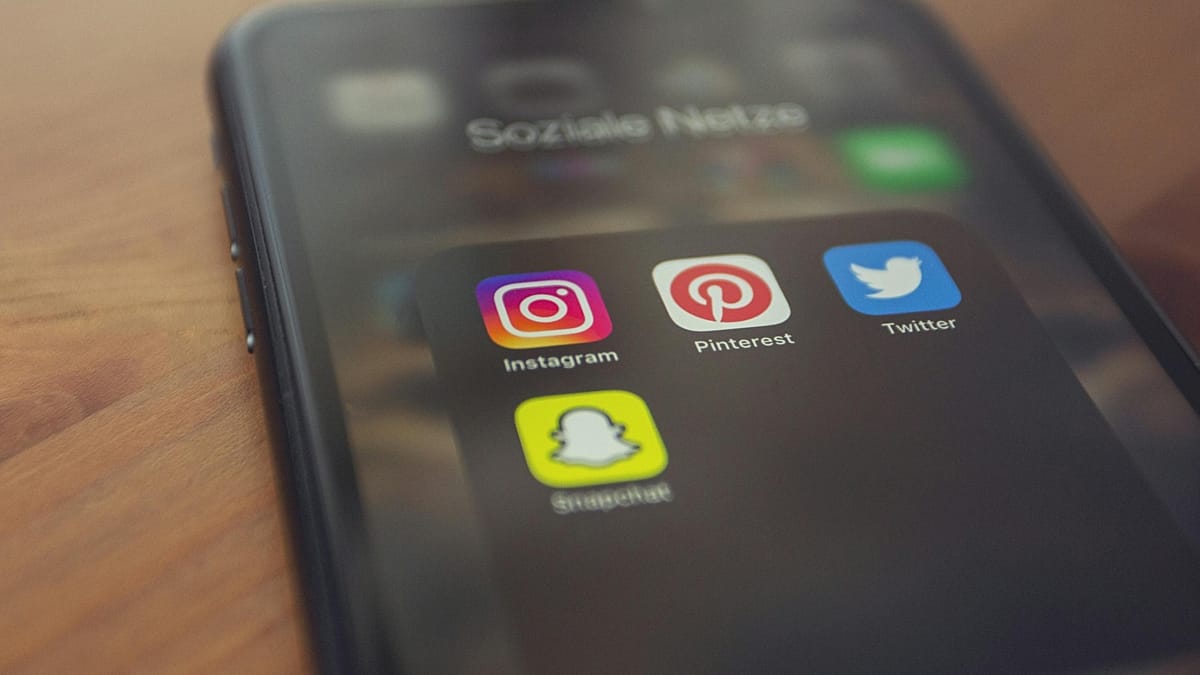
Children under 16 should be barred from social media, gaming and artificial intelligence apps which include features such as private messaging, according to police bosses in the UK. The National Police...
Children under 16 should be barred from social media, gaming and artificial intelligence apps which include features such as private messaging, according to police bosses in the UK.
The National Police Chiefs’ Council (NPCC) and National Crime Agency (NCA) said that this was especially necessary when it came to sites that did not protect children from harmful content recommendations, allowed the sharing of nude photos or strangers to contact minors.
This move comes as a response to the UK government’s recent social media ban for under-16s consultation.
The government has also expressed its support for the regulator Ofcom to take action against tech companies which do not adequately protect children online.
Currently, the UK is debating options such as implementing age limits, outright bans or app curfews, while also working towards making it impossible for children in the country to take, share or view nude pictures.
However, this may be too little too late, according to the NCA.
“Our assessment is clear: the online environment in its current form is not safe for children. The industry response has been too slow, while the problem has been getting worse. Enough is enough” NCA director general Graeme Biggar said in a statement.
He added: “Either the tech companies must effectively stop children using those features or make them safe. If they do not, the Government should ban them for U16s.”
Similarly, the chairman of the NPCC,Gavin Stephens, also pointed out in the statement that the online space at the moment had become “something of a wild west”, where both regulation and law were lagging far behind advancing technology.
“The risk to children and the harms caused are severe and wide-ranging. The online space has made it too easy for criminals, abusers, fraudsters and extremists to target the most vulnerable in our society and destroy lives,” Stephens said.
However, both agencies reiterated that instead of pushing for a full outright ban, they would much prefer that children be able to take advantage of the benefits of social media and the internet more safely.
What makes the current social media landscape so harmful?
There are several factors found across most social media platforms that make them particularly harmful at scale, according to the police agencies. As such, should be removed from any apps designed to be used by children.
These include making it much easier to find a large number of children, as well as unmonitored contact by strangers, especially adults. Encrypted or private messaging are other features, along with illegal or harmful content-promoting algorithms.
Similarly, the ability to share or stream nude images also makes several platforms very dangerous, along with inadequate age checks to prevent children from accessing adult content.
Despite several of these features already being laid out in the Online Safety Act in the UK, which highlights a number of rules and codes for platforms in the UK to adhere to, many companies continue to violate these rules.
While Ofcom can investigate and impose fines on such companies, the UK police agencies also want it to have the power to enforce minimum age policies on platforms and tighten nudity controls at the device level. This would hopefully prevent minors from taking, sharing or streaming nude pictures and videos.
This is especially as cases of child sexual abuse arising from online activity continue to grow alarmingly in the UK.
Some platforms like Apple, Instagram and TikTok have started taking measures to prevent children from seeing or sending nude content in messages. This is through measures such as disabling the technology used for direct messages, amid rising concerns of end-to-end encrypted messaging hampering attempts to stop grooming and child abuse.
However, concerns about data leaks and online privacy being compromised if private messaging features are removed remain.