Wild beaver kits born in Norfolk for first time in more than 500 years
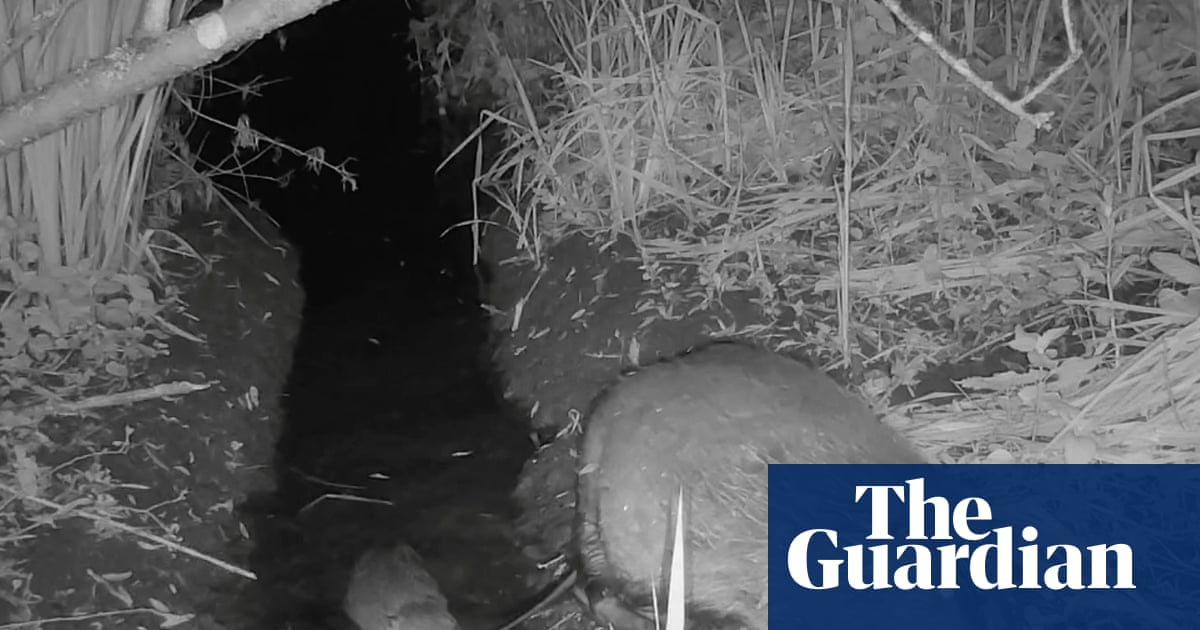
Wild beaver kits have been born in Norfolk for the first time in more than 500 years.The pair of newborns are the offspring of two free-living beavers who mysteriously arrived in Pensthorpe nature reserve...
Wild beaver kits have been born in Norfolk for the first time in more than 500 years.
The pair of newborns are the offspring of two free-living beavers who mysteriously arrived in Pensthorpe nature reserve near Fakenham in December.
This couple, who have built a lodge on the River Wensum, were the first wild beavers recorded in Norfolk since the native species was hunted to extinction in England at the beginning of the 16th century.
How they got to the Wensum remains a mystery. Although beavers have re-established themselves in the English countryside since 2015, the nearest population of wild beavers is thought to be more than 130 miles away, on the River Stour in Kent.
Some suspect the breeding pair were illegally released by conservation activists, a practice known as beaver bombing which Pensthorpe does not support, said the reserve’s manager, Richard Spowage.
However, he welcomed the arrival of the “very playful” kits, which are thought to be about three months old. “It’s amazing,” he said.
Viewing camera trap footage and discovering the kits had been born were moments of intense joy, he added.
“We initially saw a single young one with a parent, just pottering around, doing little beaver things, chewing on little bits of branch and leaf. And then, in a later piece of footage, it went off … and suddenly it came running back, and a second kit was running after it.”
The kits appear to enjoy feeding on willow and water mint, but not everything on the menu in Norfolk has proved a hit. “One got stung by a nettle, we think, because it reacted really suddenly, jumped back and started shaking its face.”
They are already becoming very independent, and have been learning how to dive into the river and tailslap its surface to make a big bang when they want to scare off a predator. “We’ve got footage of an adult tailslapping against an otter … and one of the little ones is able to do that now, too.”
Although the beavers live in a secret, inaccessible location in the nature reserve, they may expand their territory and become more visible to visitors in the future, he said.
The birth of the kits presents a conundrum, because they will have no mates to breed with in the future except their parents and siblings. “You can’t have just one family in the river system,” said Spowage. “You need a wider genetic pool.”
The reserve is now crowdfunding so that it can apply to the government advisory body, Natural England, for permission to legally introduce more wild beavers into the Wensum, which feeds into the Norfolk Broads.
It will be an expensive project, involving studies of the river system, staff training and discussions with multiple stakeholders, but Spowage is hoping all hurdles can be overcome so Norfolk’s first family of wild beavers can thrive: “If we can introduce other beavers, then they will interbreed and the population will expand properly.”
Farmers have traditionally opposed beaver reintroduction in the UK over fears their dams could flood fields and damage crops. But during the heatwave, one farmer told the Guardian that his best asset has been a family of beavers who have built a reservoir on his land that contains 3m litres of water.
after newsletter promotion
“What’s happening now is there are landowners suddenly realising that when they do have beavers, the beavers are holding back and managing water, which is valuable for farmland in our current climate,” said Spowage.
Introducing more beavers into the Wensum would be a way for the government to lead on species recovery, he added, and would help to alleviate the frustration many conservationists feel about the speed and scale of legal beaver releases in the UK.
So far, the impact of the beavers on the reserve has been minimal: “They haven’t made any dams or built anything on the river. The only things they’ve been doing is clearing trees a bit and digging tiny little channels off to the sides of the river.”
By thinning some of the nearby woodland, the beavers have opened up the reserve’s rich fen habitat, allowing more light to reach the forest floor and encouraging plant growth.
“That means more food – not just for them, but for all wildlife … they’re doing things we were doing as humans in our management plan, but we were doing it quite poorly, and they are doing it really well.”
Blue tits, great tits, blackcaps, water rails, jays, mallards, ducklings, foxes, otters and roe deer have all been recorded using or drinking from the shallow 30cm-wide river channels created by the beavers.
Natural England spokesperson Matt Heard said: “We are working with Pensthorpe nature reserve, the Beaver Trust and other stakeholders to ensure the welfare of the animals, and to develop a plan of action.
“Reintroducing beavers to our landscapes makes a huge difference to nature’s recovery and where releases are managed carefully, they can secure long-term environmental benefits.”