
Protests sweep across Europe from France to Albania, Italy, Spain and Portugal.
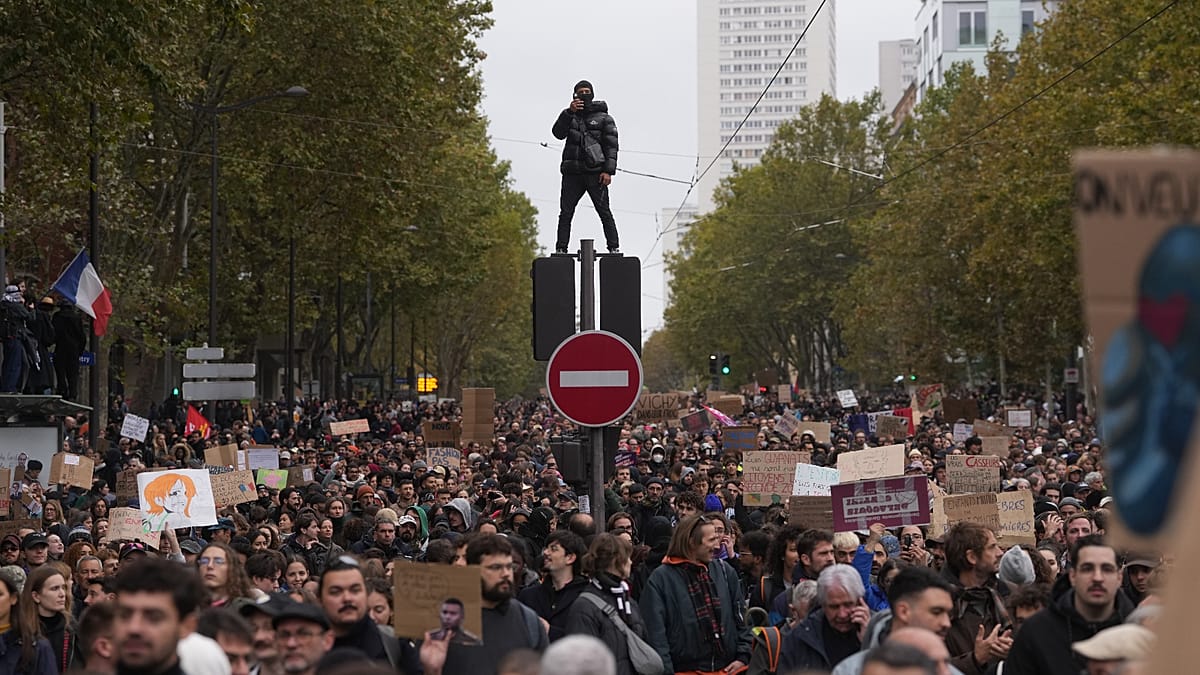
Violence in earlier protests prompted authorities to take additional security measures, with massive deployments of police and even soldiers observed across several European capitals.
Published on 24/10/2026 - 22:46 GMT+2
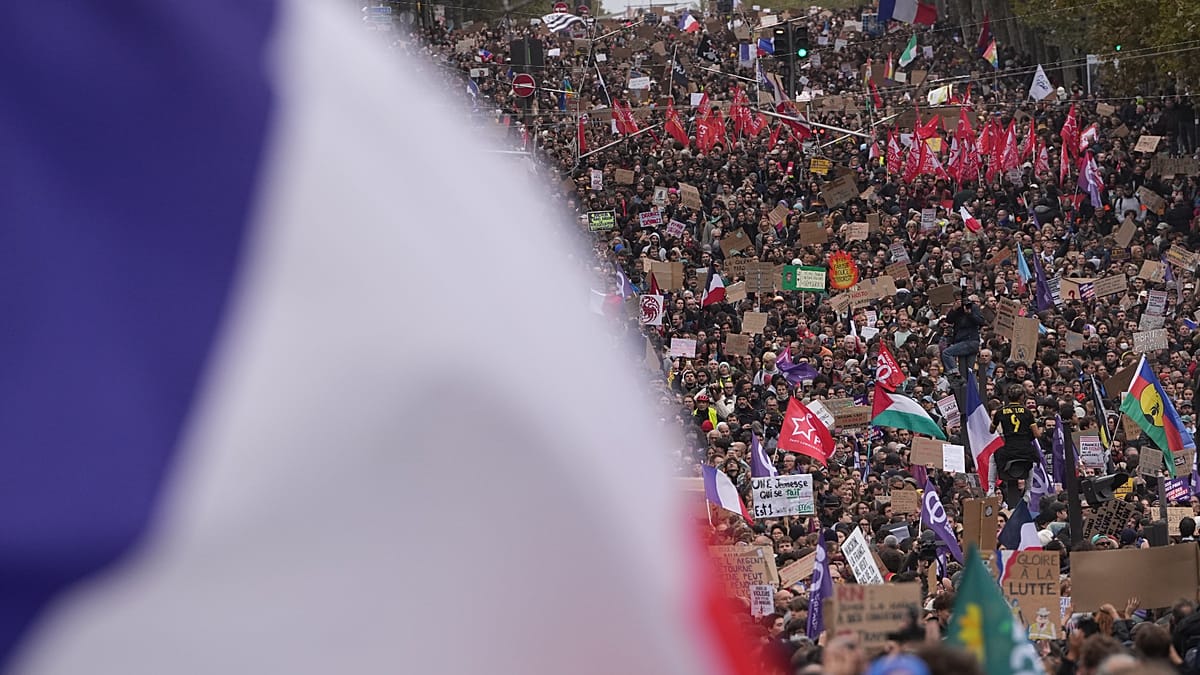
Protests over a range of issues have taken place in cities across Europe, from Milan and Madrid to Lisbon and Tirana. Demonstrators are taking to the streets over pensions, housing, education, corruption and opposition to war, reflecting a diverse mix of grievances across the continent.
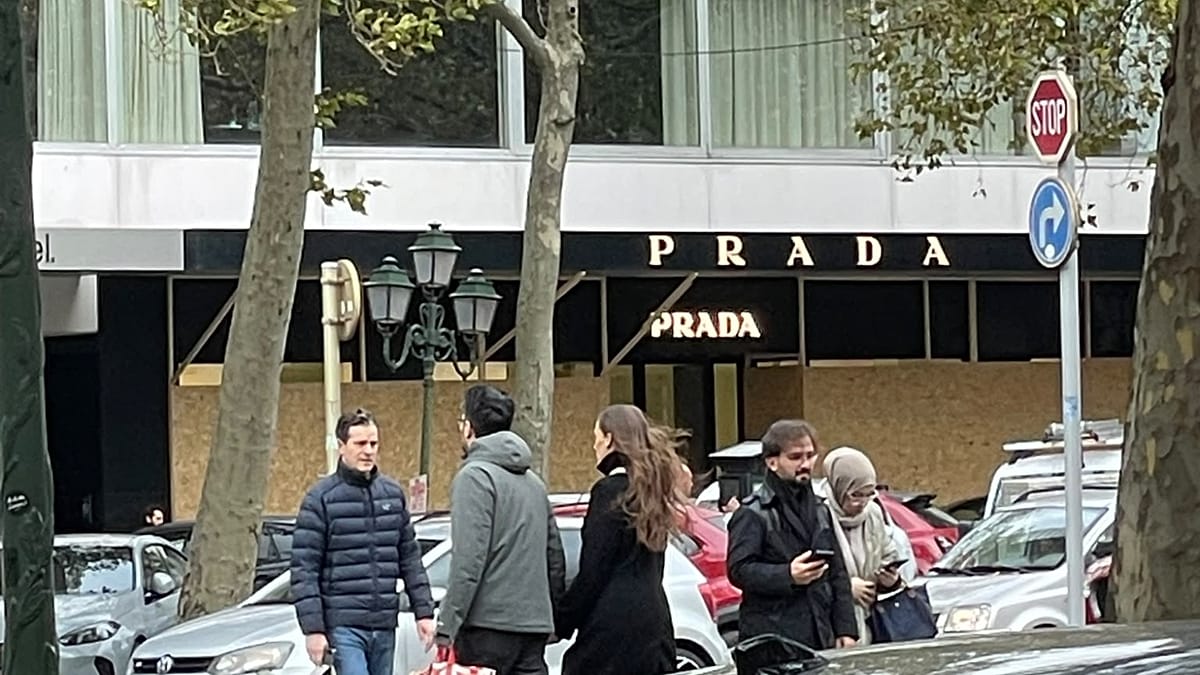
Despite precautions, bans and heavy policing the protests led to violent clashes in several cities in France - around 2,400 people have been arrested, while nearly 1000 members of the security forces were injured, as well 100 protesters and residents in Paris alone.
Albania sees clashes between police and students, artists and opposition parties
Thousands of people rallied for a fresh anti-government protest in the Albanian capital Tirana on Saturday, with police firing tear gas to disperse the crowd. In the latest of several clashes between police and protesters since mid-October, government buildings were attacked and dozens of demonstrators were detained. Authorities said that more than 300 protestors and police have been injured.
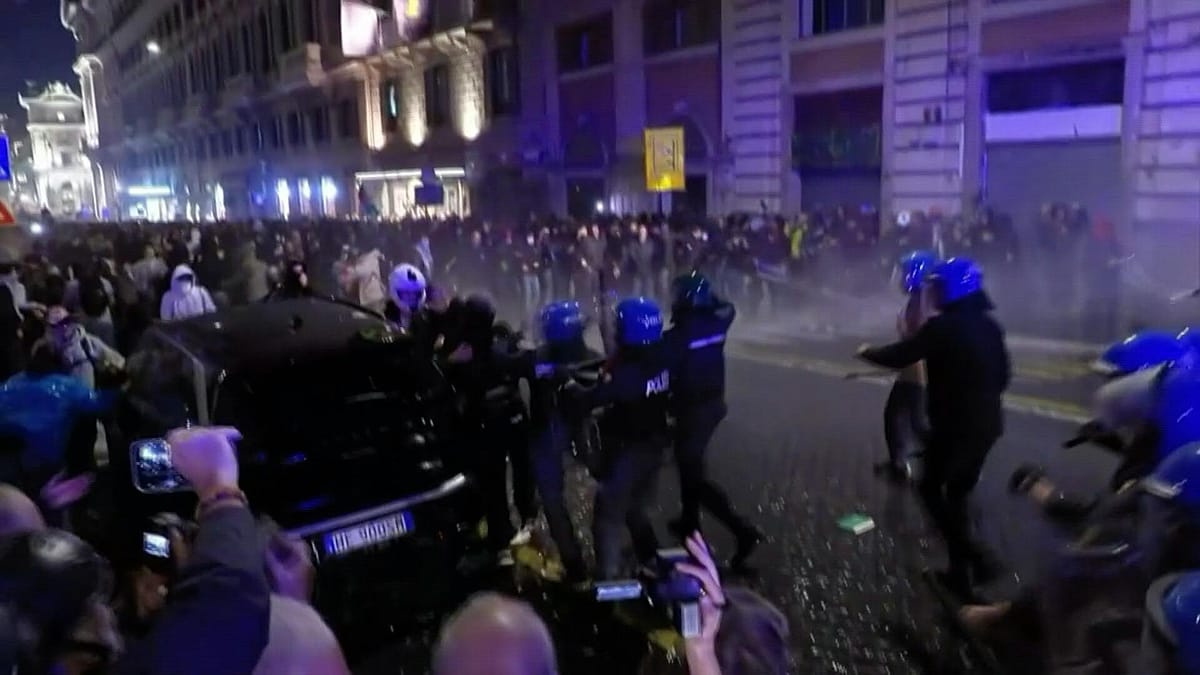
Clashes erupted between protesters and police across several Italian cities
Thousands took to the streets in Milan, Rome, Turin, Naples, Bologna and Florence with protester throwing bottles, stones and firecrackers.
Italian police said in a statement they had carried out nine arrests and briefly detained 371 people during protests in eight cities on Saturday. Of the people who were detained and taken to police stations, 110 were minors, the statement added.
In Spain and Portugal, protesters marched for retirement rights and affordable housing
In Madrid the protesters' key demands include linking pension increases to actual inflation, raising the minimum pension to match the minimum wage, closing the gender pension gap and protecting the public pension system from privatisation.
In Portugal affordable housing is the main demand