Diplomacy stalls as Iran fires on three ships in the Strait of Hormuz and US maintains blockade

Diplomatic talks between Iran and the United States appear to stall, with Tehran rejecting the premise of talks until Washington lifts its naval blockade of its ports. The international community has urged all parties to de-escalate and engage with diplomatic efforts to bring an end to the war.
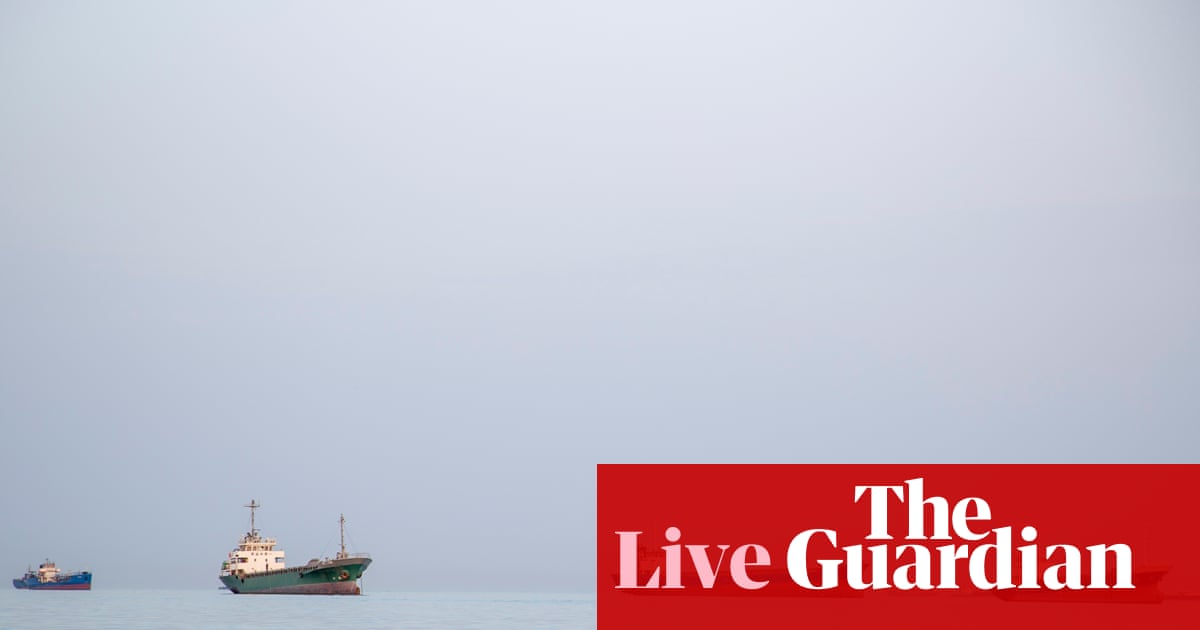
Iran fired on three ships in the Strait of Hormuz and seized two of them on Wednesday, intensifying its attacks in the strategic waterway. The attacks came less than a day after US President Donald Trump extended a fragile truce while maintaining a US blockade of Iranian ports.
The standoff between the US and Iran has effectively choked off nearly all exports through the strait — where 20% of the world’s traded oil passes in peacetime — and shows no end in near sight.
Iranian media said the paramilitary Revolutionary Guard Corps (IRGC) was bringing the two ships to Iran, marking a further escalation.
Iranian media said the MSC Francesca and the Epaminondas were being escorted to Iran. The US had earlier seized two Iranian vessels as the ceasefire talks were due to take place in Pakistan, prompting Tehran to pull out of the second round of high-stakes negotiations.
Attacks on vessels in the waterway escalate
Technomar, the management company behind the Liberian-registered Epaminondas vessel, said it was “approached and fired upon by a manned gunboat” off the coast of Oman. It said the ship's bridge was damaged.
A second cargo ship came under fire hours later, with no report of damage, though it was then stopped in the water. No injuries to the crews of either vessel were reported. Panama condemned what it called an “illegal seizure” of its flagged vessel, adding that the attack represented a “serious attack” on maritime security.
The IRGC attacked a third ship, identified as the Euphoria, which had become “stranded” on the Iranian coast, Iranian media reported, without elaborating.
White House Press Secretary Karoline Leavitt said the seizures did not violate the terms of the truce because the vessels “were not US or Israeli”.
There have been more than 30 attacks on ships in the Middle Ease since the US and Israel launched the war on 28 February with a surprise attack on Iran. Before then, the strait was fully open for all maritime traffic.
The conflict has already sent gas prices skyrocketing far beyond the region and raised the cost of food and a wide array of other products.
The price of Brent crude, the international standard, nosed over $100 per barrel, marking a roughly 40% increase compared to pre-war levels, but stock markets still appear to be shrugging it off.
The European Union energy commissioner Dan Jørgensen warned of lasting impact for consumers and businesses, likening it to other major energy crises over the last half-century. He said the disruption is costing Europe around €500 million euros each day.
Tehran demands end to US blockade for talks to resume
Iran’s ability to restrict traffic through the strait — which leads from the Persian Gulf to the open ocean — has proved a major strategic advantage. While the ceasefire means American and Israeli airstrikes have stopped in Iran — and Tehran’s missiles no longer target Israel and the wider region — the maritime standoff continues and could escalate.
Without any diplomatic agreement, the attacks will likely deter ships from even attempting to pass through the waterway, further tightening the chokehold on global energy supplies.
Mohammad Bagher Qalibaf, Iran’s parliament speaker and chief negotiator who met with US Vice President JD Vance in Pakistan earlier this month, said a complete ceasefire “only makes sense” if it is not violated by Washington’s blockade of Iranian ports.
“Reopening the Strait of Hormuz is impossible with such flagrant breach of the ceasefire,” he wrote on X.
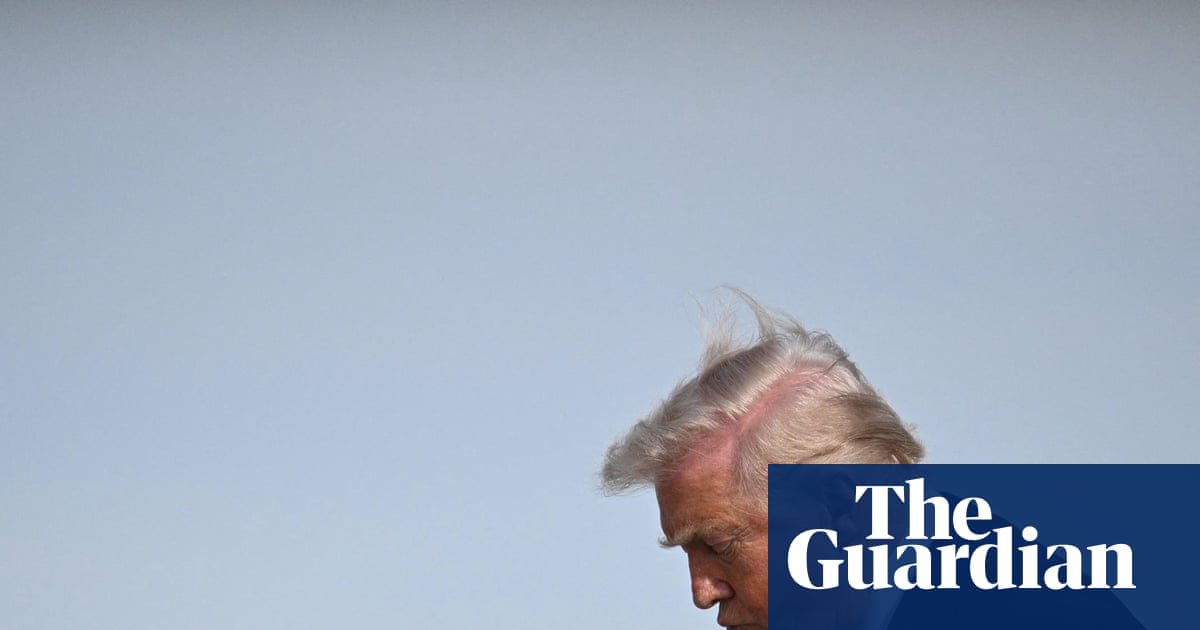
Iranian officials have demanded the full disassembly of the US Navy’s blockade for talks to resume, but Trump insisted on Wednesday that the blockade will remain in place until Iran lifts its restrictions on maritime passage in the vital strait.
The US president is also continuing to claim successes in the war. Late on Wednesday, Trump alleged that Iran had “respected” his request, and called off the executions of eight Iranian women who had participated and been arrested in anti-government protests in January.
“I very much appreciate that Iran, and its leaders, respected my request, as President of the United States, and terminated the planned execution,” he wrote in a post on Truth Social.
Tehran called the whole issue a “fabrication” and a desperate attempt to “save face”, adding that the women were never going to be executed in the first place.
"Trump's empty-handedness in the battlefield has pushed him towards fabricating achievements from false news," the Iranian judiciary's news agency, Mizan, said on Wednesday.
Israeli attacks continue in Lebanon
In southern Lebanon, three separate Israeli strikes killed at least six people and wounded others, according to local authorities, despite both countries agreeing to a 10-day ceasefire.
Israel denied carrying out one of the strikes and did not immediately comment on the others.
The attacks came as Israeli and Lebanese ambassadors prepared for a new meeting in Washington on Thursday to extend the fragile truce that began last week and provided an opening for Iran and the United States to move towards ending the wider war.
Lebanon’s health ministry said two Israeli strikes on al-Tiri village killed three people, including a newspaper correspondent, and injured one other journalist. It added in a statement that Israeli forces fired at an ambulance preventing emergency responders from reaching them.
Israel alleged that people in al-Tiri violated the ceasefire and posed a risk to the safety of its troops. It denied it prevented rescue teams from reaching the area or that it targets journalists.
The ministry said a separate Israeli strike on the village of Yohmor killed two people and injured two others. Israeli attacks across Lebanon have killed close to 2,300 people and displaced more than 1.2 million people, according to the latest government figures.