Two million Portuguese suffer from migraine, but many still lack care
Worldwide, around 1.3 billion people live with migraine, making it one of the most common neurological disorders and a leading cause of disability. Despite its impact, it is underdiagnosed and many patients still lack adequate care.
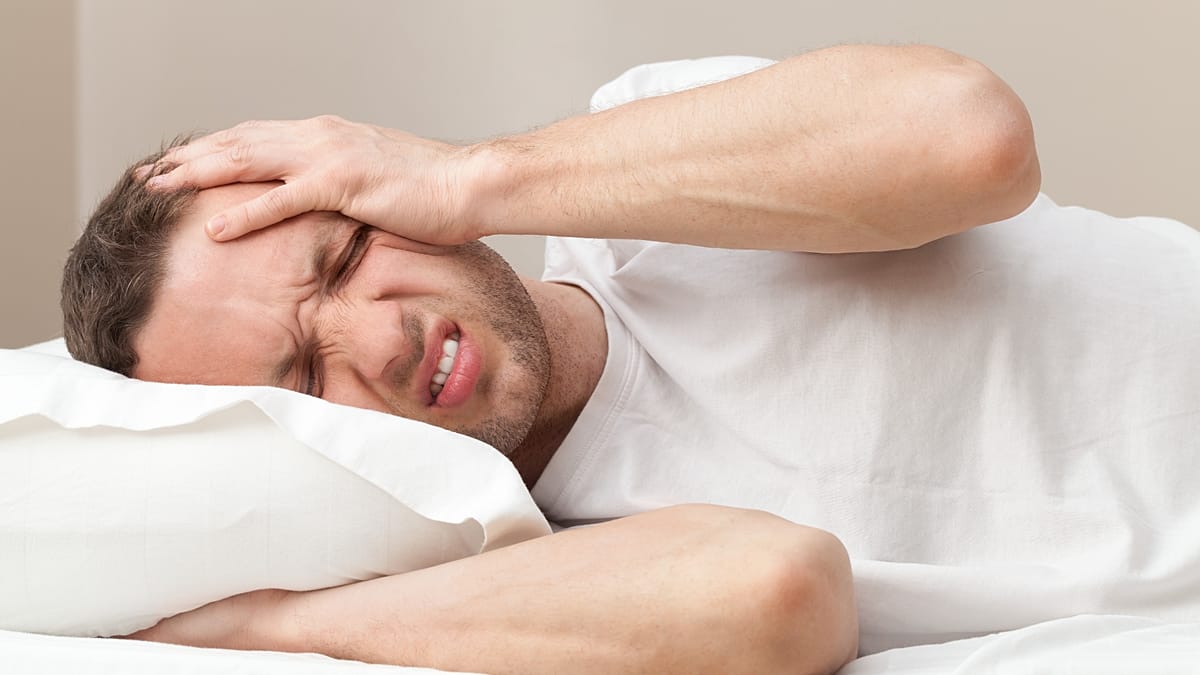
Some headaches come on with stress, some appear after physical exertion and others are intense but disappear quickly. And then some become a real prison and force you to stop everything.
For people who suffer from migraines, an attack can mean being unable to work, study or manage basic day-to-day tasks.
Worldwide, around 1.3 billion people live with migraine, making it one of the most common neurological disorders and a leading cause of disability.
The condition is thought to affect around two million people in Portugal. According to a study (source in Portuguese) by The Work Foundation, carried out by a team of researchers at Lancaster University in Portugal, 24% of women and 13% of men suffer from migraines.
Migraine affects women in particular and can disrupt several aspects of everyday life. Data from a recent study by the European Migraine & Headache Alliance (source in Portuguese) confirm this, showing that in Portugal, 92% of women with migraine report that these headaches have limited their ability to work, study or carry out their activities for at least one day.
As well as being disabling, migraines can come with other symptoms such as nausea and vomiting, sensitivity to light, noise and smells, slowed thinking and difficulty concentrating.
The disease remains underdiagnosed, and the challenges in diagnosis and follow-up are also evident in Portugal. According to a national consensus published in 2025 (source in Portuguese), around 40% of people with headaches do not receive medical follow-up and, among those who do, more than half turn to the private sector.
The same document estimates that around 1.5 million Portuguese people would benefit from medical follow-up for headaches and that roughly 90% could be treated in primary health care.
The study "Migraine in Women - The Invisible Hormonal Pattern" by the European Migraine & Headache Alliance also shows that almost half, 42%, of women with symptoms compatible with migraine have never received a medical diagnosis, that 33.6% of those with migraine have never consulted a doctor and that 72.4% resort to self-medication.
"These figures confirm that migraine continues to be underestimated and that access to appropriate treatment is still a challenge for many people in our country," says Isabel Pireza, chair of the General Assembly of MiGRA Portugal - Portuguese Association of Migraine and Headache Patients. "It is urgent that we close the gap between diagnosis and effective treatment, so that no one has to live trapped by this disease," she adds.
The disease also has consequences in professional life. A study carried out among employees of Portuguese companies identified episodes of absenteeism and reduced work capacity during attacks. Among workers with a headache-related condition who said they had completed less than half of the work planned during an episode, 29% had migraine.
The unpredictability of attacks can also affect personal relationships, professional responsibilities and other daily activities. People with migraine may feel drained of energy, face emotional difficulties or develop mental health problems.
"Migraine is a neurological disease that goes far beyond its best-known manifestation, headache. It can have a profound impact on family, social, school and working life. Recognising the signs and reaching the correct diagnosis is essential to breaking this cycle of suffering, ensuring that each person can access the most appropriate follow-up and treatment and regain quality of life," explains Filipe Palavra, president of the Portuguese Headache Society.
For the MiGRA Portugal representative, "we still see far too many people normalising a pain that should not be considered normal. We want those who suffer from migraine to know that they do not have to accept living like this, that there are solutions and that seeking help is the first step towards regaining their freedom."