EU proposes tax overhaul to cut business costs by €8 billion a year
Published on 24/06/2026 - 16:14 GMT+2 The European Commission presented a new tax simplification package on Wednesday, expected to save EU businesses €8 billion annually,...
Published on 24/06/2026 - 16:14 GMT+2
The European Commission presented a new tax simplification package on Wednesday, expected to save EU businesses €8 billion annually, including €3.3 billion in administrative costs.
The two proposed laws aim to reduce red tape in an overall attempt to make Europe a more attractive place for businesses to flourish.
"By removing upfront procedural requirements and simplifying refund processes, the measure will facilitate financing, encourage investment, and enhance competitiveness," the Commission said in a statement.
The bigger measure proposed in the package is the exemption from withholding tax on all cross-border payments of dividends, interest, and royalties among EU companies.
"This measure alone should bring EU taxpayers savings and benefits of around €5.3 billion annually," the statement said.
Additionally, the package will introduce a common minimum standard for the tax treatment of investments in research and development to make Europe more attractive to investment. The Commission estimates it could boost EU GDP by around 0.2 percent per year.
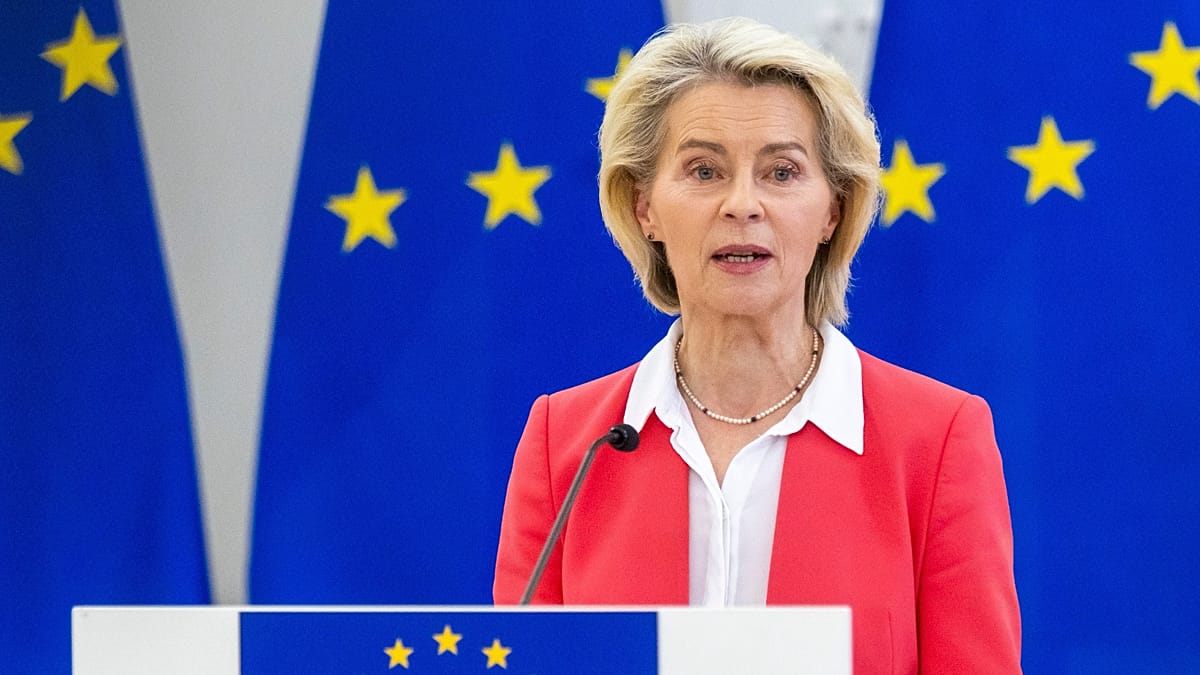
The framework is another move in the bloc's developing effort to improve EU economic competitiveness, something Commission President Ursula von der Leyen has made a top priority.
At the beginning of the current mandate, the Commission promised that by 2029 it would reduce administrative burdens on businesses by 25 percent, and for SMEs, at least 35 percent. This would result in at least €37.5 billion in annual cost savings by 2029.
BusinessEurope, an association representing 42 national business federations across Europe, welcomed the latest proposals, saying they would make it easier to invest across Europe.
In a statement, the group's director general Markus J. Beyrer praised the removal of withholding taxes, as well as the reduction of "duplicate compliance checks for companies already covered by the global minimum tax, and exemptions that free smaller companies from rules designed for large multinationals".
It will now fall to the European Parliament and the member states in the European Council to proceed with negotiations on the new proposal. Once the two co-legislators adopt their positions on the package, the three institutions can begin interinstitutional negotiations and work towards a common text.