
Drugs in pastries, months on the run: the double-life of Lebanese influencer Dr Food
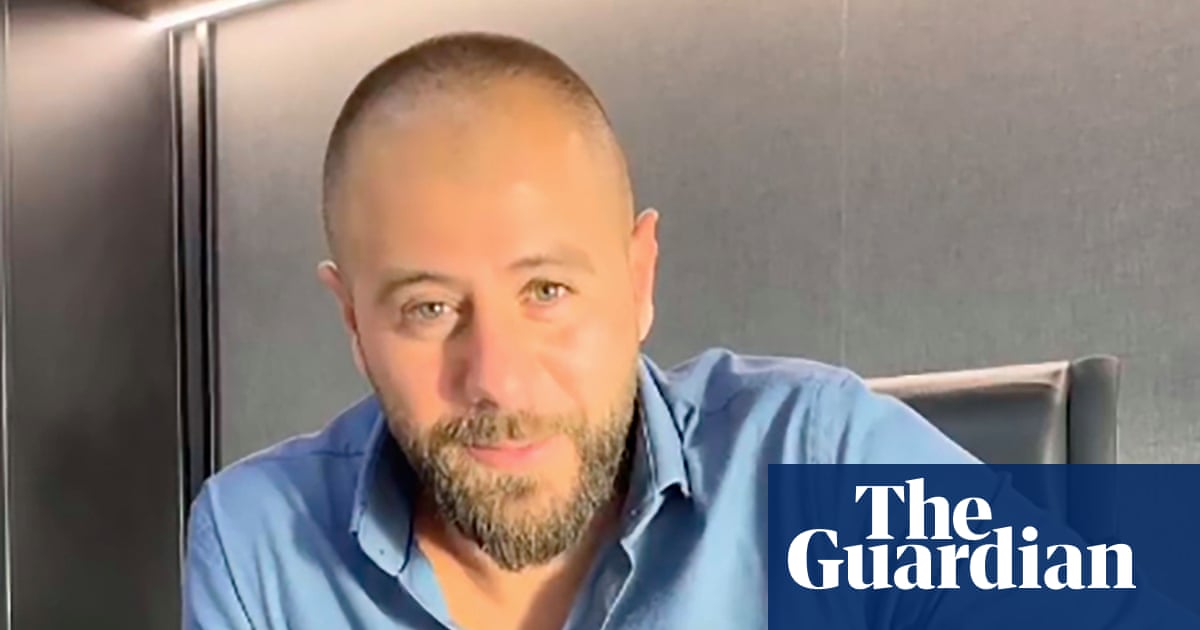
Known to his 8.7m TikTok followers as Dr Food, Georges Dib was a popular Lebanese food influencer who would hold giveaways, post behind-the-scenes tours of his food production facilities and wax philosophical...
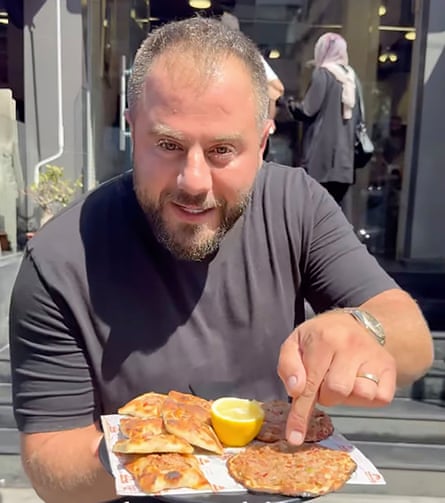
Known to his 8.7m TikTok followers as Dr Food, Georges Dib was a popular Lebanese food influencer who would hold giveaways, post behind-the-scenes tours of his food production facilities and wax philosophical about the ingredients of success.
But Lebanese authorities allege that when the camera was off, the chef was living a double life. For months they sought his arrest on charges of international drug trafficking and production, accusing him of hiding narcotics in his pastries.
On Sunday, security forces finally managed to track him down to a house in Akkar, north Lebanon, after months of surveillance.
Dib had been sentenced in absentia last month to life imprisonment with hard labour for drug trafficking. Investigators alleged they had found drugs hidden in his branded chocolates and biscuits, intended to be shipped abroad.
The accusation was tied to a 2024 drug bust in which 820kg (1,800lb) of hashish was found hidden in cakes. A warrant had already been issued for his arrest, though it had previously been suspected he was outside the country.
Despite the charges and warrant, Dr Food evaded authorities for a year and a half, continuing to post videos on his TikTok page without addressing the allegations against him. In one video, he filmed himself on Beirut’s Corniche asking any of his followers who had been displaced by the Israel-Hezbollah war what food they missed, so that he could deliver it to them.
Less than two weeks ago, Dr Food filmed himself in what appeared to be one of his food production facilities, showing his followers how he made cheese.
“He would broadcast live [videos] and directly after … he would change his car and mobile and his house,” said a Lebanese security source. Ultimately, the source said, his videos helped authorities to track him down and carry out the arrest.
Shortly after his detention, Dr Food’s Instagram page shared a food giveaway sweepstake that followers could enter.
Lebanese authorities have tried to crack down on the country’s reputation as a drug-smuggling hub in recent months, tightening controls at Beirut international airport and the port.
Lebanon has faced pressure from the Arab Gulf, the main market for drugs in the Middle East, and the US, which wanted tighter checks to stop goods travelling to Hezbollah. The country has a long history with drug smuggling, as narco-gangs exploited its porous borders, plethora of militias and weak government to move drugs.
During Syria’s civil war, hashish and captagon, a catch-all name for an amphetamine cocktail, would transit into Lebanon’s Bekaa valley and through the country’s port.
Saudi Arabia halted the trade of fruit and vegetables with Lebanon in 2021, cutting off access for Lebanese produce to much of the Gulf market, after repeated shipments were found to be a front to smuggle captagon. Fake vegetables were being used as containers for the pills.
Since the fall of Bashar al-Assad, the former Syrian president, in December 2024, captagon production has shifted more towards Lebanon, with drugs flowing from there into Syria rather than the reverse. The ultimate destination for these narcotic shipments is Jordan and the Gulf.
Dr Food is not Lebanon’s first TikTok star alleged by authorities to be leading a double life.
In May 2024, Lebanese authorities uncovered an alleged child trafficking ring run through TikTok. They said a group of 30 traffickers would lure children through private messages, then sell compromising photos of them being sexually abused on the dark web.
One of the most public figures alleged to be involved with the paedophile ring was a Lebanese barber with thousands of followers on TikTok, who would often post videos of himself giving haircuts to children. Authorities alleged he had used his viral fame to exploit children.
On 31 July Lebanese courts found six men and one woman guilty of taking part in the child sexual abuse ring. Sentences ranged from four years to life in prison.