When do you need to hand in a sick note in Europe and which sick pay systems are the most generous?
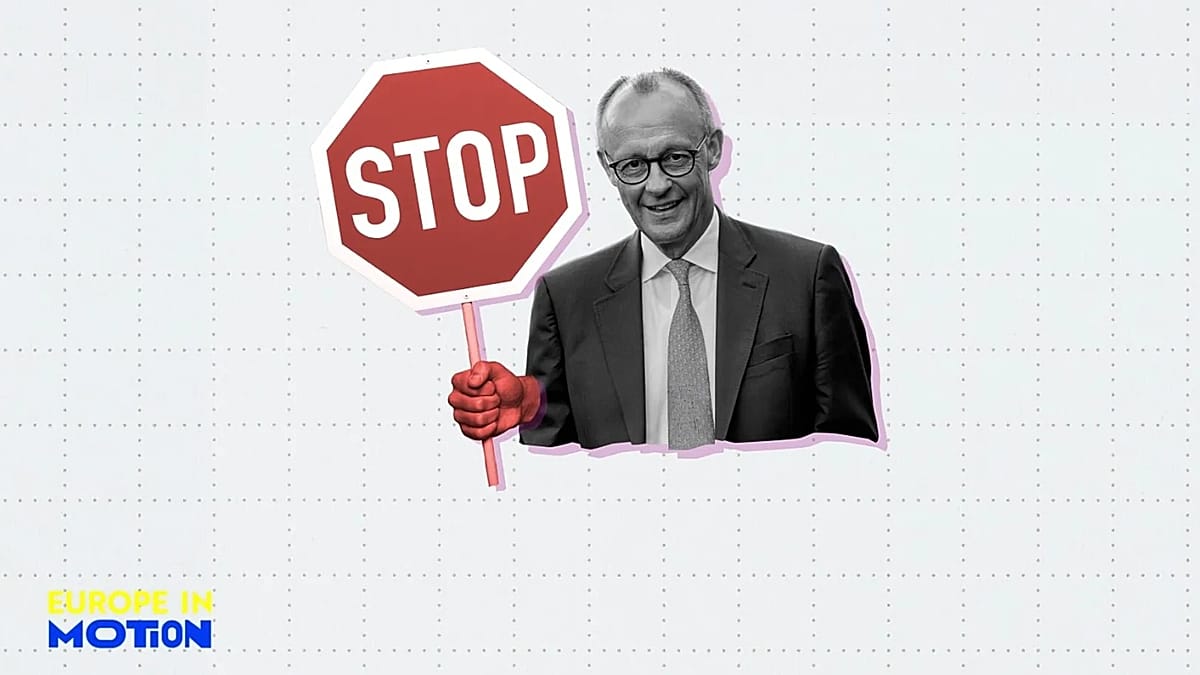
Germans will no longer be allowed to call in sick without sending a medical certificate, from day one of their illness. That's part of the new plans announced by Chancellor Friedrich Merz last week, aimed at...
Germans will no longer be allowed to call in sick without sending a medical certificate, from day one of their illness.
That's part of the new plans announced by Chancellor Friedrich Merz last week, aimed at reviving the economy.
Currently, workers can stay home for up to three days without providing a note, which they can also get without seeing a doctor. Also, an employee on sick leave receives their full salary for up to six weeks.
Merz had repeatedly complained that the rate of sick leave is too high in Germany, harming productivity.
Nevertheless, the move has raised questions about how Germany compares to other countries in Europe, in terms of how easy it is to take sick leave and how much sick pay they get.
Poland: New mandatory checks after 14 days of illness
Germany isn't alone in wanting to clamp down on those perceived to be abusing the system: another country that's turning the screw is neighbouring Poland.
There, sick leave is 80% — from day one — or 100% if the illness or injury was work-related.
Warsaw, however, is cracking down on those unfairly taking sick leave by introducing a new mandatory medical check after the first 14 days of leave.
UK: Huge flexibility, meagre sick pay
Other European countries give workers a much longer window than Germany before they have to present a medical certificate.
In the UK, employees only need to provide a sick note if they're off for more than seven days in a row. Proponents say this reduces unnecessary doctor visits for minor illnesses, prevents the spread of germs to waiting rooms and saves time nd resources for the overburdened National Health Service.
But all that glitters is not gold, as the UK's minimum statutory pay is only £123 (€144) a week, although some employers may top it up depending on the terms in their contract.
France, Italy and Spain: How do rules differ?
In France, the deadline to provide a sick note is 48 hours. Statutory sick leave pay covers 50% of a worker's base daily salary, capped at a specific limit, but employers may top it up for eligible employees.
Spain has one of the most generous deals, at least in the short term: no pay for the first three days, then 60% for a month, which rises to 75% after the 20th day off.
In Italy, the picture is more nuanced: Workers have 48 hours to submit their sick note, but whether they'll be paid during the first three days depends on their contract.
From the fourth day to the end of the first month, they get only half of their salary, then it goes up to around 67% for the following five months.
If they work in hospitality, they get 80% for the whole period.
Sweden: No certificate for a week
Sweden allows up to eight days before a sick employee needs to submit a note, and the certificate doesn't need to state the specific illness.
Workers receive 80% of their pay from day one and up to 14 days.
Afterwards, they have to apply for sick pay benefits through the social insurance agency Försäkringskassan.
Hungary: Medical note is required from day one
Budapest has much stricter rules, with employers requiring a note from day one for sick leave, meaning Germany won't be alone when it brings in its new rules.
Employees in Hungary usually get 70% of their salary for the first 15 days of their illness. Then it's between 50% and 60%.
In short, European countries vary widely in how flexible they are when it comes to sick notes and how generous their sick pay packages are.
Europe's safety net however looks generally more significant compared to a country like the United States, where fewer than half of its states have sick pay legislation.