
World’s oldest shipwreck off Turkey: 4,700-year-old amphorae discovered
Published on 14/10/2026 - 14:18 GMT+2 Underwater excavations carried out off the island of Kekova in Antalya have brought to light amphorae dating back around 4,400–4,700...
Published on 14/10/2026 - 14:18 GMT+2
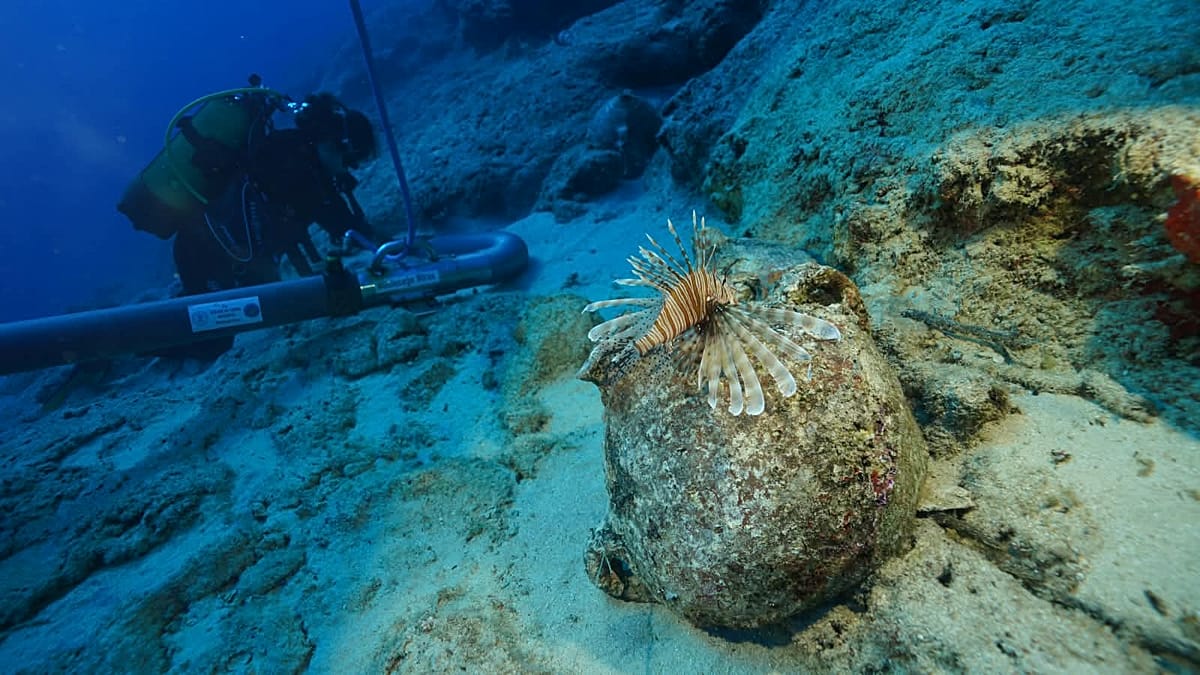
Underwater excavations carried out off the island of Kekova in Antalya have brought to light amphorae dating back around 4,400–4,700 years. The finds, which are said to belong to a wreck from the Early Bronze Age, are expected to shed light on Anatolia's maritime history and trade links in the Eastern Mediterranean.
Turkey's Minister of Culture and Tourism Mehmet Nuri Ersoy, in a post on his social media account, underlined the importance of the ancient vases recovered during the excavations, saying: "In our 'Blue Homeland', we are bringing to light traces of the world's oldest shipwreck."
Clay analyses carried out on the amphorae, which are thought to have been used to transport olive oil or wine, indicate that the jars were probably produced in workshops in the Jordan Valley. The discovery of similar examples in Egypt, Troy and Crete reveals traces of trade and cultural interaction between different regions.
Ersoy stated that they would continue to illuminate Anatolia's maritime history with new findings and to preserve the underwater cultural heritage for future generations. The minister also congratulated Associate Professor Hakan Öniz, who's leading the scientific excavations, and the team involved in the work.
How was the wreck off Kekova found?
Amphora samples taken from the remains of a wreck identified off the island of Kekova during underwater surveys carried out in previous years by Akdeniz University showed that the ship may date back to the Early Bronze Age.
Acting on permits from the Ministry of Culture and Tourism, excavations in the area began in 2026 under the leadership of the Antalya Museum Directorate.
The fact that similar vessels have been found near the pyramids of Giza, Saqqara and Abusir in Egypt, as well as in Troy and Crete, suggests that the cargo carried by the wreck may have been linked to an extensive trade network. Researchers believe that the ship set sail from a port on the Levantine coast and headed towards Troy or Crete.
An amphora marked with nine signs sheds light on sailors' lives
One of the amphorae found in the excavations stands out with two holes in its body and nine distinct marks on it. Initial examinations suggest that the jar may have been a churning amphora used in the production of cheese or butter.
This possibility raises the prospect that sailors of the period may have carried goats on long voyages, milked them on board and produced their own dairy products. The finds therefore contribute not only to research into the transport of commercial goods, but also to studies on the everyday conditions of sea journeys and eating habits.