Fire at animation studio in India kills at least 15 people
Published on 23/06/2026 - 15:56 GMT+2 A fire in the northern Indian city of Lucknow has killed at least 15 people and left several others injured. The tragedy has renewed...
Published on 23/06/2026 - 15:56 GMT+2
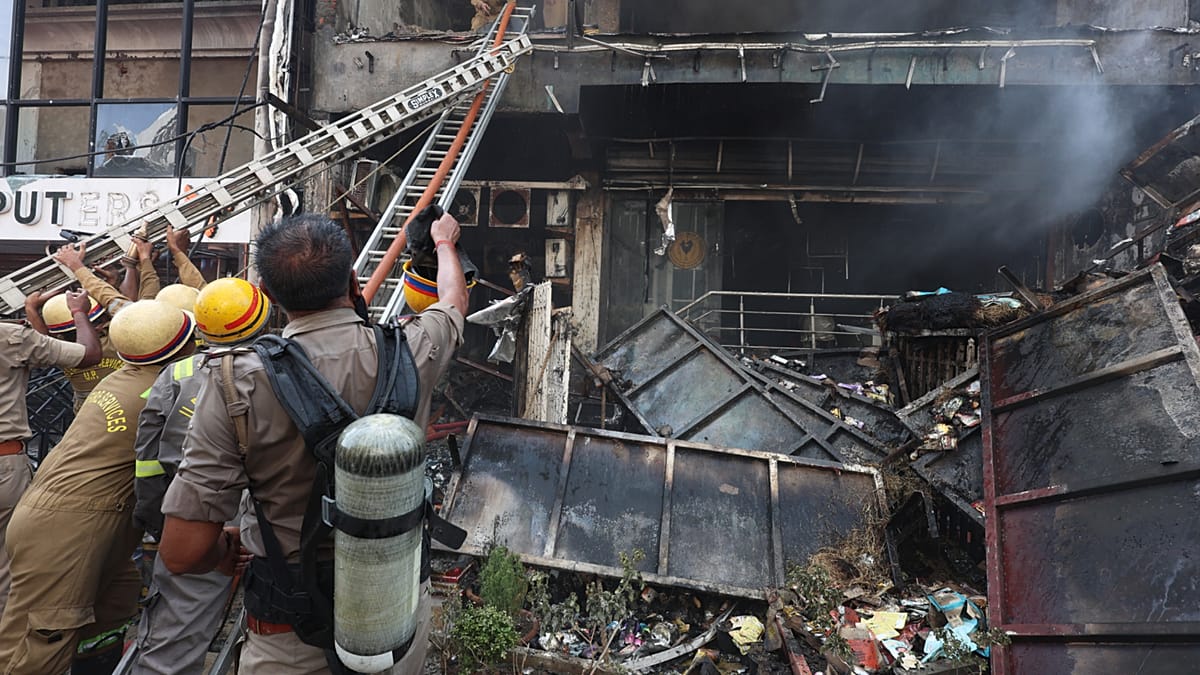
A fire in the northern Indian city of Lucknow has killed at least 15 people and left several others injured.
The tragedy has renewed concerns about fire safety standards in India's densely occupied buildings after authorities said the structure lacked emergency exits and adequate escape routes.
The fire broke out on Monday afternoon in a three-storey building in Lucknow's Aliganj area. The ground floor housed a pet shop and veterinary clinic, while the upper floors were occupied by an animation and 3D gaming centre and a library used by college students and trainees.
Most of the victims were students and employees who were inside the building when the fire started. Witnesses described scenes of panic as people trapped by smoke called for help, climbed down power cables and jumped from windows in an attempt to escape. Firefighters reached the roof through a neighbouring building and broke through a wall to rescue survivors.
One trainee managed to call his father from inside the building, saying: "Papa, there's a fire. Save me, I'm trapped inside."
Mohammad Asin, an employee at the animation studio, said: "At first we thought it was a small fire. By the time we tried to leave, smoke had filled the rooms and passageways."
Authorities have not yet determined the cause of the blaze. Police have arrested four people in connection with the fire and filed charges related to acts causing or endangering life. Four public officials have also been suspended, while the Uttar Pradesh government has ordered an inquiry into the incident.
The Lucknow fire is the latest in a series of deadly blazes in India that have exposed poor enforcement of safety regulations. Building fires are common in the country because of safety violations and inadequate firefighting equipment, while electrical short circuits caused by poorly maintained wiring remain one of the leading causes of such incidents.