Ube over matcha? New trend tuber takes over coffee, cake and ice cream
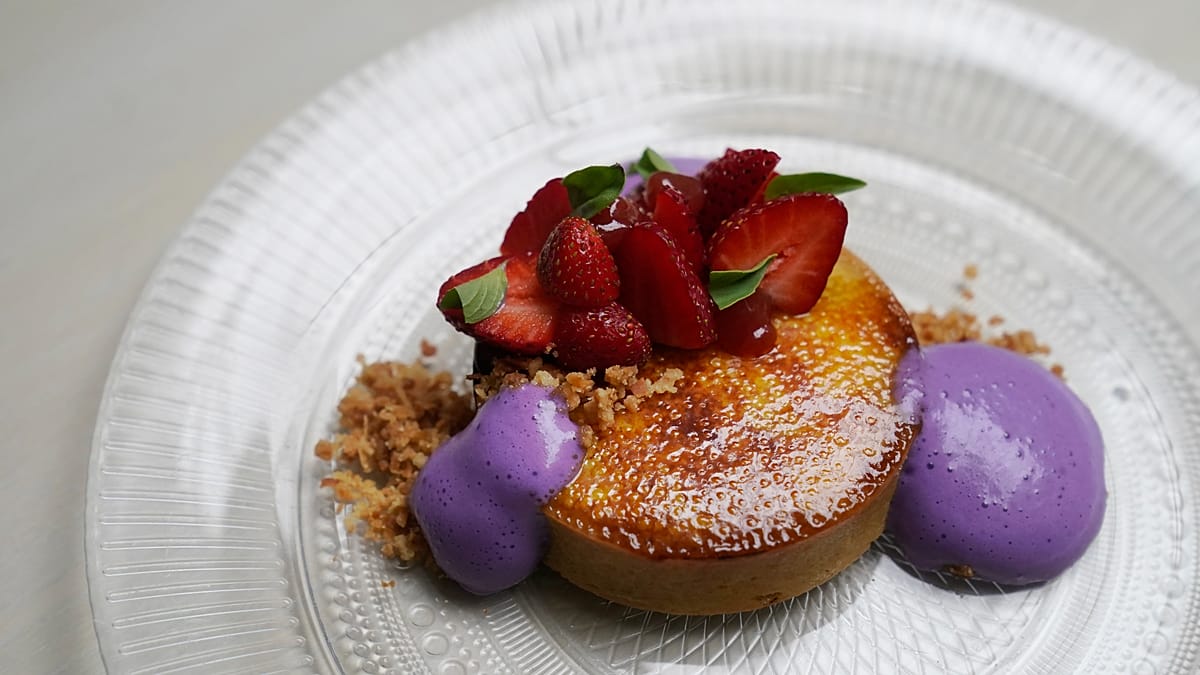
By Maja Kunert Published on 29/06/2026 - 6:00 GMT+2 Anyone strolling through city cafés at the moment will increasingly come across...
By Maja Kunert
Published on 29/06/2026 - 6:00 GMT+2
Anyone strolling through city cafés at the moment will increasingly come across drinks and pastries in an unusually deep shade of purple. The colour doesn’t come from a bottle of food colouring, but from a tuber: ube, a purple yam from Southeast Asia, is tipped to be the next big food trend after matcha.
What exactly is ube?
Ube – pronounced "oo-beh" – is a type of yam mainly grown in the Philippines, where it has been part of everyday life for centuries. There it is as common a staple as the sweet potato is in other parts of the world, according to the magazine Der Feinschmecker. Although ube and purple sweet potatoes look deceptively similar, they are not botanically related. Ube belongs to the yam family, not the morning glory family.
Also known as water yam or purple yam, the tuber stands out for its colour: it ranges from deep violet to bright lavender, explains Der Feinschmecker. In Germany, ube generally finds its way into food in the form of purée, powder, paste or syrup.
What makes ube’s flavour so special?
Ube has a mild, nutty flavour, with notes of vanilla and pistachio and a natural sweetness reminiscent of cooked carrot or sweet potato. According to the managing director of the food marketing agency Spoonful, quoted in the trade journal Lebensmittel Zeitung, ube "looks radically new with its purple colour, but tastes of things we have loved since childhood". Unlike matcha, which divides opinion with its grassy, bitter taste, ube is widely accessible from the outset. That is a strategic advantage when it comes to culinary trends.
The tuber has become something of an insider tip, especially in patisserie: macarons, cheesecakes, ice cream and chiffon cakes gain not only an unusual flavour from ube, but also a spectacular natural colour, without any artificial additives.
Ube in a glass: from latte to iced drink
Perhaps the most visible sign of the hype is the ube latte. Big chains such as Starbucks or Costa Coffee have already added ube-flavoured coffee drinks to their menus. For an ube latte, powder is first mixed with hot water, then topped up with frothed milk or a plant-based alternative and espresso. In summer, an iced ube latte is ideal: the cool purple in the glass attracts attention and performs particularly well on Instagram.
What does the purple tuber offer in health terms?
The intense purple is no coincidence. It comes from anthocyanins, natural plant pigments with a blue-red structure that can have antioxidant, antiviral, antibacterial and anti-inflammatory effects, explains the Federal Centre for Nutrition (source in German) (BZfE). A 2019 review study by Wuhan Polytechnic University underlines the considerable potential of these pigments: anthocyanins from purple root vegetables have shown anti-tumour and liver-protective effects in laboratory tests and can have a positive impact on gut flora. Ube is also a source of vitamins A, C and E, fibre, potassium and copper.
All yams also contain diosgenin, a precursor of the female sex hormone progesterone. The BZfE stresses, however, that the body cannot convert the diosgenin found in food into progesterone on its own. Anyone hoping for hormonal effects will therefore be disappointed.
Where can you find ube in Germany?
In German retail, ube is still a rarity. Asian supermarkets stock the tuber as a powder, extract or paste, but you will hardly find it in major discounters and supermarket chains, reports t-online, citing Lebensmittel Zeitung. A branch of Edeka in Berlin is so far seen as a pioneer, offering ready-made ube latte drinks at its coffee bar. Those who like to experiment can also try making ube bread, ube ice cream or ube cake at home (the Filipino original is called ube cake and is traditionally based on the ube purée "ube halaya").
As with ube, sauerkraut is not just about flavour, but above all about health and how it comes across on social media. In a similar way, this traditional German product was only recently marketed in the United States as a new superfood. But a sauerkraut latte is where the fun stops.
The downside of the hype
The trend also has an awkward flip side. "Whenever suddenly far more of a food is needed than before, it destroys long-established farming structures," warns Britta Klein from the Federal Centre for Nutrition. "This time it is happening in the Philippines. Hypes amplified by social media are largely responsible for such developments."
The rising demand is not only changing agriculture there, but is also tempting other tropical countries in Asia and Africa to start cultivating it. For the German market, ube remains a product that has travelled a long way – with a correspondingly poor climate footprint.