IEA could consider more oil reserve releases as Europe faces tough winter
The IEA says it could consider releasing more emergency oil stocks if supply disruptions worsen, although another release is not currently its top priority. Europe faces a difficult winter after spending more than €100bn extra on energy imports since the Iran war began.
The IEA has hinted that releasing further strategic oil reserves could be an option to ease supply shortages.
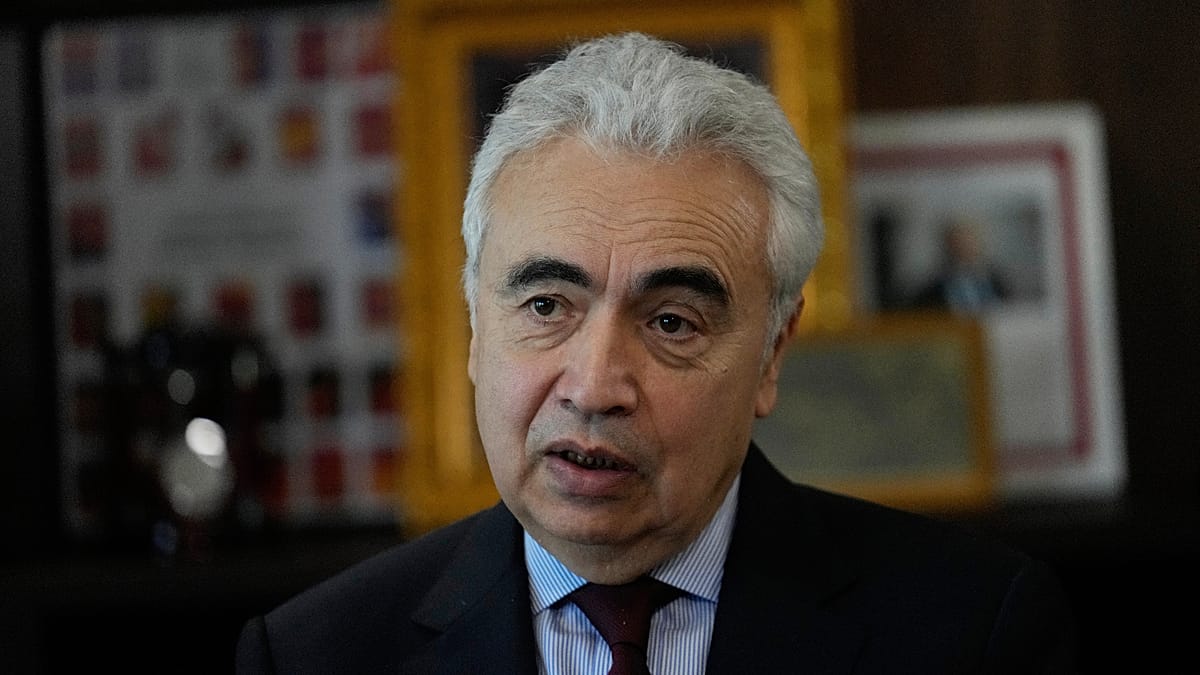
Speaking at a meeting of EU energy ministers in Dublin, International Energy Agency Executive Director Fatih Birol said that the agency has released 400 million barrels of crude oil from its strategic reserves since March and that one-third of that has yet to “come to the markets”.
The released stocks are equivalent to "20% of the overall stocks", Birol said, adding that "80% is still in our pocket. If there is a need and if our member countries do agree with it, we are ready to act in order to address current and future market challenges_."_
He also added that currently, "it is not the number one agenda for the IEA".
His comments came as EU Energy Commissioner Dan Jørgensen talked on Tuesday about the extra costs Europe has been facing since the start of the war in Iran. He said that European Union countries have spent more than €100 billion extra on energy imports since the outbreak of the war in Iran. Despite that additional spending, they have received “not one extra molecule of gas or oil”.
The disruption to shipments through the Strait of Hormuz has tightened global oil and diesel supplies. The waterway carried about a fifth of the world’s traded oil before the war, and Europe relies heavily on imported diesel.
Jørgensen called for faster investment in electricity and power infrastructure to reduce the bloc’s reliance on imported fossil fuels.
After cutting its reliance on Russian energy following the full-scale invasion of Ukraine in 2022, the EU became more dependent on energy imports from the US, particularly for diesel.
“Europe is one of the most exposed regions — if not the most exposed one — when it comes to diesel because Europe imports a huge amount of diesel and we are entering the harsh season, the winter season,” said Birol.
The US supplied around half of the EU’s diesel imports in August.
Europe’s diesel supply has been squeezed since EU sanctions on Russian oil products took effect in 2023. Disruption to Middle Eastern supplies has since increased demand for US diesel shipments.
Now, as Europe approaches winter with diesel supplies already tight, the US is considering export restrictions. Euronews previously reported that the European Commission called a possible US export ban a “bad idea” that could hurt both economies.
Fuel prices are already high. The EU’s average diesel price reached a record €2.23 per litre last week. As Euronews reported, diesel cost €2.40 per litre in France and €2.56 in Denmark on Tuesday last week.
What could a US diesel export ban cost Europe?
According to Oxford Economics, a full US ban could raise European wholesale diesel prices by 40% to 50%. Analysts in a recent report calculate that some of that increase could reach consumers, adding €0.50 to €0.60 per litre, including VAT, and a few tenths of a percentage point to inflation.
Those are estimates for a full ban, not a forecast for the narrower restrictions that US officials have also discussed. Oxford Economics says the scope, duration and possible exemptions remain unclear.
Finding replacement diesel would take time. Oxford Economics points to constraints on supplies from the Middle East and says shipments from Asian refiners would take longer to reach Europe. It also expects that Europe could draw on emergency reserves if US restrictions drove diesel prices higher, potentially limiting the increase.
Even US refiners oppose a possible diesel export ban
US trade groups have warned President Donald Trump that an export ban could backfire. In a 23 September letter, the Business Roundtable, the American Petroleum Institute and more than two dozen other groups argued that refiners might have to cut production if they could not export surplus diesel. That would also reduce their output of petrol and jet fuel.
Energy data firm Kpler says US refineries operated at more than 95% of capacity for much of the summer, reaching around 98% in the final week of August. That leaves little room to raise output. Keeping exported diesel in the US could initially lower prices on the Gulf Coast, Kpler says, but storage and transport constraints would make it difficult to spread that relief across the country. Lower refining margins could eventually lead producers to cut output.
Oxford Economics estimates that a full ban could lower US diesel prices by roughly 30% within weeks. But it, too, warns that storage problems and reduced refinery runs could push up petrol and jet fuel prices, offsetting some of the benefit for US consumers.
Ireland’s energy minister, Darragh O’Brien, said a US ban was “unlikely” because it would damage economies on both sides of the Atlantic, but urged the EU to prepare. “We have to be guarded. We can’t be complacent,” he said.