Flesh-eating parasite spreads further in the US, despite decades of eradication
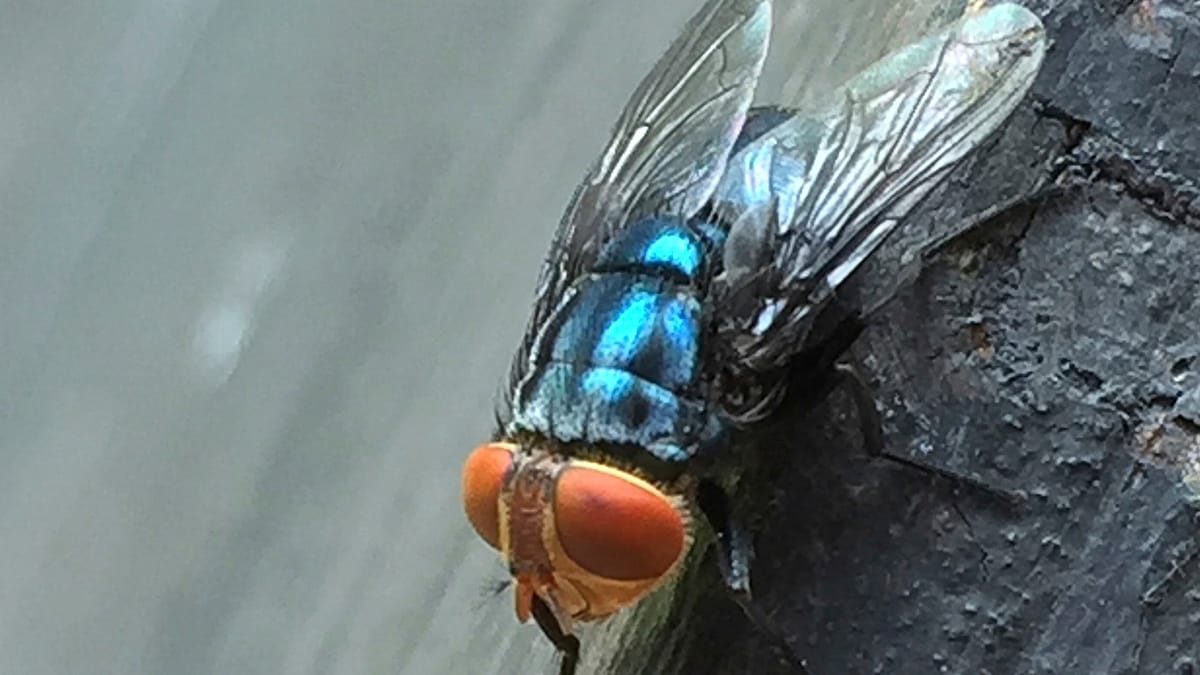
There are now five confirmed cases of New World screwworm among animals in the United States, following the first infestation reported last week in Texas. The affected animals include three calves and a goat...
There are now five confirmed cases of New World screwworm among animals in the United States, following the first infestation reported last week in Texas.
The affected animals include three calves and a goat in Texas, as well as a dog in the neighbouring state of New Mexico.
“We need the partnership of animal owners across the region — please stay vigilant, check your animals closely, and report anything that looks suspicious. Together, we can protect our livestock, our communities, and the health of animals nationwide,” said Dudley Hoskins, Under Secretary of Agriculture for Marketing and Regulatory Programs.
What is the screwworm fly?
The screwworm is a species of parasitic fly that completes part of its lifecycle by feeding on the tissue and flesh of warm-blooded animals and humans.
The female fly lays eggs in open wounds or mucous membranes, where they hatch into larvae that eat the flesh around them.
Screwworm cases continue to climb
The first two infestations were discovered last week in calves a few miles apart in south Texas. In all cases, officials have established a 20-kilometre quarantine zone to try to slow the parasite's advance.
The dog in New Mexico had not travelled to Mexico or Texas, and authorities are investigating around the property where the pet lived.
Animal inspections in the area will increase if they find infected flies, a New Mexico State Veterinarian Samantha Holeck said during a press conference on Monday.
Scientists expect new cases could emerge in the coming days and weeks, but this does not mean the screwworm is spreading rapidly, said Edward Burgess, a University of Florida entomologist who studies the fly.
“When that first case is seen, everyone is being vigilant and their eyes are on it more intensely,” Burgess said. “And when you are looking for something, you are more likely to see it.”
The pest was a recurring problem for the American cattle industry for decades, with Florida and Texas known as hotspots, until the US largely eradicated it in the 1960s and 1970s.
What are the risks and symptoms for people?
The larvae do not spread from person to person, and they pose a very low overall risk to the public.
According to US health authorities, people can be at risk if they travel to areas where the flies are present and spend extended periods outdoors during the day, especially if sleeping outside.
Those who live, work or spend prolonged time near livestock or other warm-blooded animals in affected areas are also at higher risk.
Symptoms can include unexplained, painful wounds or sores that do not heal, a foul-smelling odour or bleeding from the site of the infestation, and seeing maggots or feeling movement in open wounds or sores or in the nose, mouth, eyes, ears or genitals.