Portugal triggers EU budget safeguard clause over energy crisis
Published on 11/06/2026 - 17:42 GMT+2 Portugal is to activate the safeguard clause of the European Union (EU) budget rules, as authorised by Brussels. This will allow the...
Published on 11/06/2026 - 17:42 GMT+2
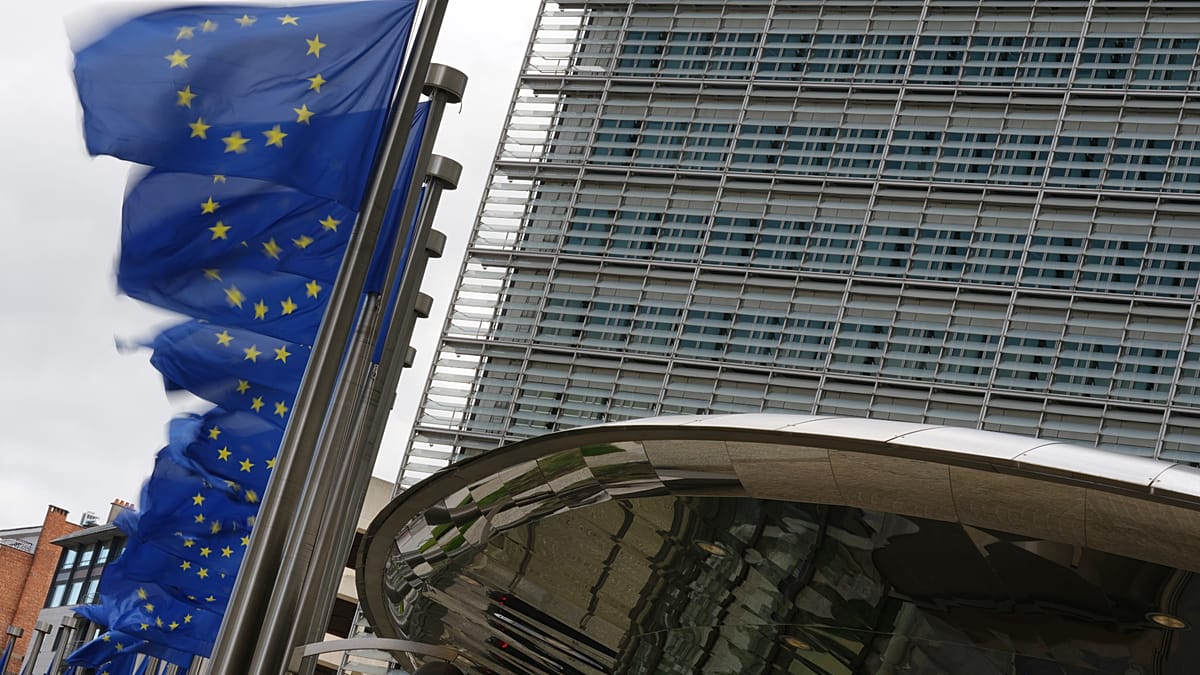
Portugal is to activate the safeguard clause of the European Union (EU) budget rules, as authorised by Brussels. This will allow the country to temporarily shoulder additional energy-related costs arising from the current crisis, without this being treated as a breach.
“The Commission understands, and it is also being requested in several countries, that it must now create an exemption clause, as it did for defence spending rules. We support that decision and we will trigger that clause, just as we did for defence,” announced the Minister of Finance, Joaquim Miranda Sarmento, as quoted by Lusa.
On arrival for the Eurogroup meeting in Luxembourg, Joaquim Miranda Sarmento told Portuguese journalists that, according to data from the International Monetary Fund (IMF) and the European Commission, Portugal is the fifth country in the European Union that provides the most support in proportion to its Gross Domestic Product (GDP).
The minister added that this situation allows the country to maintain, and even step up, these support measures, depending on how the conflict in Iran develops, triggered by attacks by Israel and the United States.
Portugal thus intends to make use of the EU’s temporary exemption so that it can increase public spending beyond what was initially planned, without this being deemed a violation of the European bloc’s budget rules. This measure comes on top of another flexibility mechanism already in force to accommodate defence spending.
“The current crisis is different from 2022”
According to Joaquim Miranda Sarmento, the current crisis is different from the one in 2022. He argued that the interest rate rise announced by the European Central Bank (ECB), in response to inflationary pressures stemming from the war in the Middle East, “was not absolutely necessary”, he added, commenting on the ECB’s decision.
“Naturally, there is a concern on the part of the European Central Bank. The ECB, which played a very important role in 2022 [during the previous energy crisis], decided to give this initial signal to the market, but we shall see over the coming months. I maintain my view that it could have refrained from sending this signal and that it was not absolutely necessary, but I naturally respect the ECB’s mandate and independence,” said the Minister of Finance, quoted by Lusa.
“The European Central Bank, in any case, decided to raise interest rates, but we are in a very different situation, both in terms of inflation and in terms of the Central Bank’s interest rates,” he added.