
Spreading the flow: cruise tourism helps Europe protect local identity
Partner content ‘Partner Content’ is used to describe brand content that is paid for and controlled by the advertiser rather than the Euronews editorial team. This content is produced...
Partner content
‘Partner Content’ is used to describe brand content that is paid for and controlled by the advertiser rather than the Euronews editorial team. This content is produced by commercial departments and does not involve Euronews editorial staff or news journalists. The funding partner has control of the topics, content and final approval in collaboration with Euronews’ commercial production department.

© - Copyright MSC Rights
• Updated: 12/10/2026 GMT+2 - 15:21
Share
Today's travellers want more than a photo. They want a story to tell. They want to immerse themselves in the life of places they visit, however fleeting their stay.
When cruise travellers step ashore, they are increasingly looking to connect with a place in a tangible and personal way. From cycling and snorkelling to walking tours to wine tasting, they want to pursue activities that help them to experience the authentic traditions and local culture that give a destination its unique identity.
Across Europe, tourism leaders and local communities are considering how destinations can protect their identity, safeguard the natural environment, ensure that tourism creates local value, and respond to growing visitor demand. As the EU develops its vision for sustainable tourism, understanding the importance of well-planned tourism is key to answering this question.
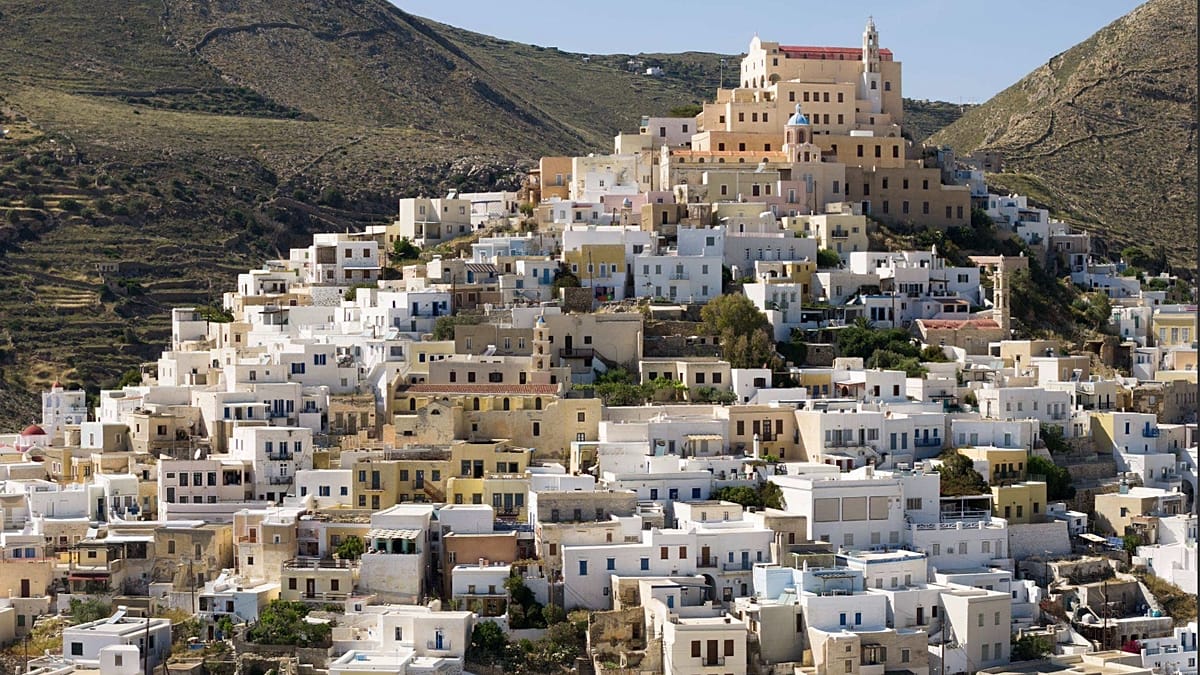
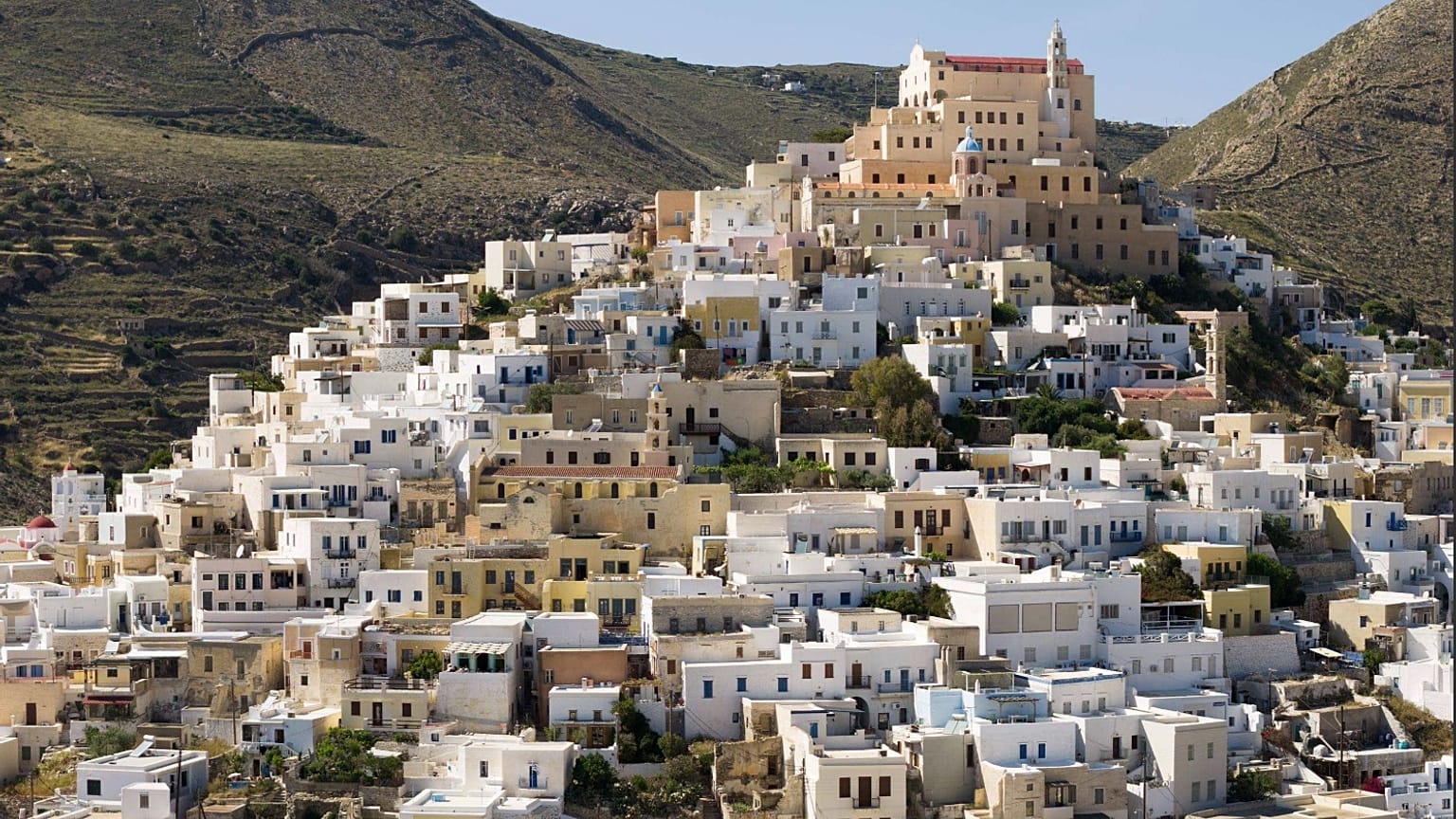
Take diversification, for example. Encouraging people to visit less well-known places can help to ease pressure on busier sites. Greece offers a compelling example. This is a country that draws visitors from all over the world to enjoy its historical wonders, and stunning coastlines and islands. At the same time, we see growing potential in some of its less famous islands. Since we added the island of Syros to our itineraries, our guests have praised its authenticity and cultural heritage, brought to life through the insight and knowledge of local guides.
Greece is not the only country to offer such potential. Europe is home to countless destinations with unique identities and rich heritage, many of which lie off the beaten track. This winter, for example, we will continue our collaboration with local authorities in the Canary Islands to bring our guests further inland to the villages of Garachico, Betancuria, Teguise and Tejeda. Local traditions, craftsmanship, and gastronomy remain central to everyday life in these villages, where visitors enjoy more meaningful experiences while also creating local value.
The key lesson is that these new itineraries were the result of extensive cooperation. Opening new places in the right way does not happen overnight and requires planning and strong local partnerships. These examples also show a link between the growing demand for more personal, authentic experiences and the need to achieve more balanced tourism flows.
Tourism management means understanding a destination’s vision, its capacity, and the infrastructure needed to support it. That means looking beyond the port to the roads, public transport, walking routes, cycling options, and visitor information. The city of Dubrovnik’s “Respect the City” programme, for example, features visitor management measures including digital data and street signage to recommend the best times to visit popular attractions and help people move through the historic old town more easily.
In fact, when people travel can be just as important as where they travel. Many remarkable destinations have just as much to offer in spring, autumn, or winter as they do at the height of summer. As travellers increasingly spread their trips across the year, there is an opportunity to support local economies beyond the traditional peak season. Off-peak cruise travel is a growing trend, and Europe is seeing the highest increase in share of cruise passengers sailing during off-peak months. This enables destinations to reduce dependence on seasonal peaks and build greater long-term resilience. As travel patterns evolve, policy should help destinations adapt to longer tourism seasons, supporting the infrastructure, services and workforce needed to welcome visitors throughout the year.
With careful planning, collaboration and the right systems in place, cruise tourism can provide a steady and controlled flow of guests. Cruise operators plan itineraries up to two years in advance, which gives destinations time to anticipate demand and manage capacity. The island of Mykonos in Greece shows how this works in practice. The implementation of a digital berthing system has shown how cruise traffic can be monitored and managed, helping support a more balanced distribution of visitors.
As Europe shapes its future tourism strategy, policy should be directed towards helping destinations to manage tourism more effectively.
This includes targeted investment in infrastructure. Better connectivity between transport networks, destinations and visitor experiences helps spread tourism benefits more widely while reducing pressure on the most visited places. Investment should also support development of data tools to support visitor flow management, while clear information at terminals with maps, suggested routes and links to public transport can help travellers discover a region in a more balanced way.
There should be greater support for destination management plans that bring together local authorities, transport providers, and tourism businesses around a shared vision for tourism development. Adopting a holistic approach towards coastal and island tourism, considering cruise, ferries and other forms of maritime travel, would help avoid bottlenecks and shape visitor flows in line with local priorities.
When visitors can explore throughout the year, discover lesser-known places and engage with local culture, tourism can deliver lasting benefits beyond the places that are most visited. With investment in long-term planning and collaboration between destinations and tourism partners, visitors can be welcomed in ways that support local value while preserving what makes each place special.
Partner content presented by
‘Partner Content presented by’ is used to describe brand content that is paid for and controlled by the advertiser rather than the Euronews editorial team. This content is produced by commercial departments and does not involve Euronews editorial staff or news journalists. The funding partner has control of the topics, content and final approval in collaboration with Euronews’ commercial production department.
Tags
More Images