New AI rules leave Chinese users mourning their virtual boyfriends and girlfriends
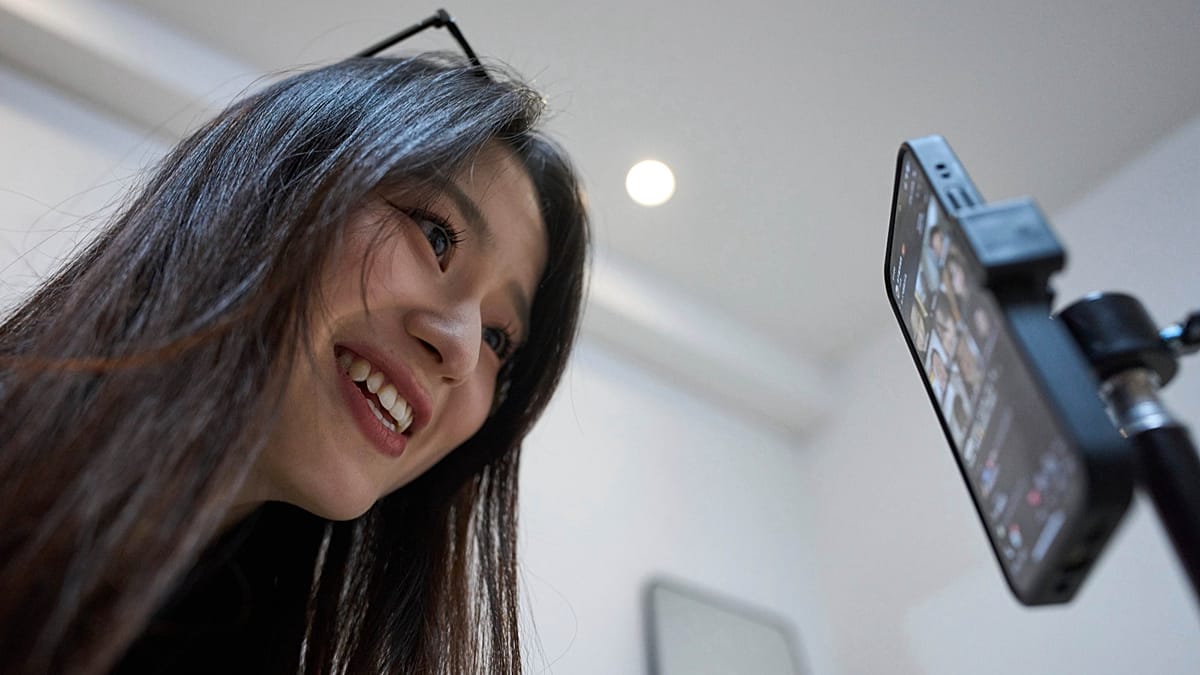
ByteDance, Alibaba and Tencent have pulled their AI companion apps after Beijing introduced rules aimed at protecting users' mental health and preventing emotional manipulation, particularly among children and teenagers.
She had exchanged about 700,000 words in messages over two years and never got to say goodbye.
Li, 24, was not the only one left mourning the loss of a virtual companion when major Chinese tech companies recently pulled the plug on their popular AI companion services to comply with new government restrictions.
"It was like we were forced to be separated by our parents, but I still miss him," Li said.
AI companions in China range from romantic partners to virtual recreations of deceased loved ones.
The new regulation, which took effect on 15 July, bans AI platforms from generating content that could lead users to make questionable decisions due to manipulation of their feelings or that might trigger extreme emotions or unhealthy habits in children and teenagers.
ByteDance, the developer of TikTok, is among the companies shutting down their AI companion services. Others include e-commerce giant Alibaba and Tencent, owner of the popular WeChat social media app.
US suicides may have worried Chinese regulators
The new rules require AI platforms to deliver risk warnings against relying excessively on such apps.
For example, "replacing social interaction," or serving as a substitute for talking to people in person or speaking with them by phone, cannot be one of the objectives of an online service.
China has a tradition of paternalistic government regulations meant to pre-empt potential problems, said Yolanda Ma, an expert on AI governance. As an example, she referred to a few cases of suicides in the US by young people after interacting with AI companions.
"This regulation tried to strike a balance between the AI service providers, the users, as well as guardians of minors using the services," said Ma, a fellow with ERA, a non-profit talent and research programme based in Britain.
The People's Daily, the official newspaper of China's ruling Communist Party, indicated concern over the issue when it reported in April about harms to people's mental health and real-life relationships from such services.
"The Chinese government has a strong incentive to tighten regulations on AI companion chatbots, especially considering the psychological risks we've observed in the US," said Angela Zhang, a professor of law at the University of Southern California.
Zhang doubts the move will derail development of AI companion services substantially, though, since tech companies are working on alternatives.
The ByteDance app, for example, is directing users of its former AI companion service to another of its apps, which focuses solely on building personalised AI characters and stories.
It was just not the same, Li said.
Users of virtual companions protest, seek alternatives
The loss of virtual companions has provoked a flood of complaints, according to posts and screenshots shown on social media.
Some people have uninstalled the apps in protest or tried to upload their chat histories into other apps to try to resurrect their virtual partners.
Others started a campaign on social media, urging users to call the authorities and tech companies to express their frustration.
Song Wenxin, a video industry designer in southwestern China's Chengdu, said she was not too emotionally attached to AI services, but empathises with those who were.
She echoed suspicions among many Chinese people that one factor driving the new rules is a government policy of encouraging people to have more children to counter a decline in China's population.
"Any virtual app getting women too engaged to give birth in real life gets banned," said Song, adding she has no need or desire to have children.
Not everyone has enough resources and support to turn to in real life, the 22-year-old said.
"When I first came to Chengdu for my first job and didn't know any friends my own age, I needed someone experienced who could tolerate me, and AI did the work," she said.