
Spain introduces paid menopause sick leave from December 2026
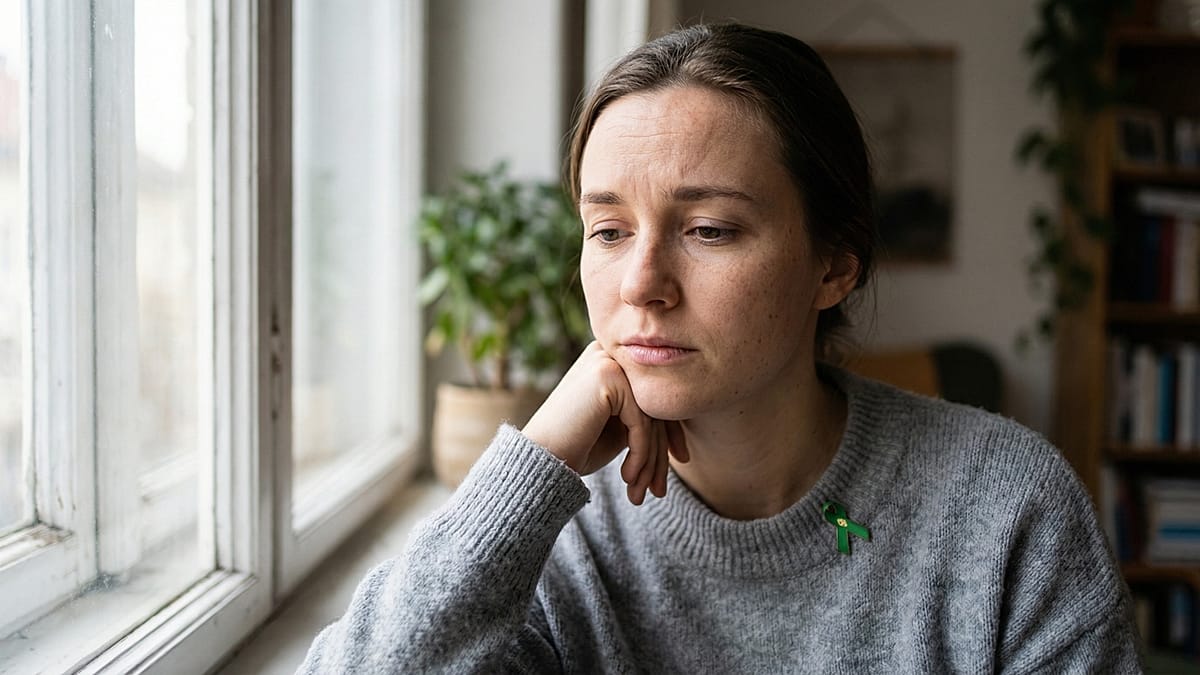
From 1 December, female workers with impairing conditions linked to the menopause can access specific medical leave. Spain thus expands labour protection for women, while other European countries still do not provide a similar measure.
From 1 December, women who live and work in Spain will have a new labour right. Those who suffer from incapacitating health problems linked to the menopause will be able to request a specific medical leave and receive a benefit from the second day, without needing to have paid social security contributions for a minimum period.
The reform was approved by the government on 20 October and marks a further step in protecting women’s health at work. However, going through the menopause will not be enough to access this leave. A doctor will have to diagnose a condition associated with a secondary menopausal disorder that temporarily prevents the woman from carrying out her job.
The government believes this measure will help address health problems that for years have received little attention in the workplace. The minister for Inclusion, Social Security and Migration, Elma Saiz, defended the reform at the press conference following the cabinet meeting.
"More than ten and a half million women are affiliated to Social Security and we are responding to situations that were made invisible," she said. Spain had already moved in this direction in 2023, when it approved paid sick leave for incapacitating menstruation, considered a pioneering measure in Europe. The new rules now extend that protection to certain conditions linked to the menopause.
Who will be able to request the new menopause leave?
Severe hot flushes, sleeping problems, fatigue or difficulties concentrating can affect the daily lives of some women during the menopause. In some cases, these problems can also prevent them from working.
But not all symptoms will give a right to medical leave. To apply, the worker will have to undergo a medical assessment to determine whether she has an impairing condition related to a secondary menopausal disorder.
If the doctor determines that there is a condition associated with a secondary menopausal disorder that prevents her from carrying out her job, they will be able to issue the corresponding sick note.
As with other medical leave, the worker will not have to hand the paper sick note to her employer, since the information is sent electronically through Social Security. The new conditions will start applying on 1 December 2026.
How much will be paid during the leave?
The main difference compared with standard sick leave for a common illness is when payments begin. Under the usual system, benefits are paid from the fourth day of leave, whereas women taking this new type of leave will receive payments from the second day.
The company will cover the salary for the first day. From the next day, the worker will receive a Social Security benefit equal to 60% of the regulatory base for the first 20 days, rising to 75% from day 21.
Another requirement for sick leave due to a common illness is also being waived: having made Social Security contributions for at least 180 days over the previous five years. Women who meet the medical criteria will be eligible for this benefit regardless of how long they have been paying contributions.
What is the situation in other European countries?
Germany, Italy, Greece, Portugal and Turkey do not have specific workplace leave for the menopause. In Germany and Portugal, for example, women whose symptoms prevent them from working can see a doctor and request ordinary sick leave for a common illness. In both countries, the menopause does not have separate labour regulations.
There is no equivalent measure in Greece, Italy or Turkey either, where no specific benefit has been introduced for disabling conditions related to this stage of life.
With this reform, Spain is extending labour protection for women beyond the leave for incapacitating menstruation approved in 2023. The measure also brings to the fore an issue that still has no specific answer in much of Europe: how to adapt social protection systems to health problems that may appear during the menopause.