

European concerns over US commitment to Nato persist after Trump’s criticisms – Europe live

Key events3m agoMorning opening: Much ado about nothingShow key events onlyPlease turn on JavaScript to use this featureMorning opening: Much ado about nothingJakub KrupaAfter all the excitement about Donald...
Key events Show key events only Please turn on JavaScript to use this feature
Morning opening: Much ado about nothing

Jakub Krupa
After all the excitement about Donald Trump’s rapidly escalating rhetoric on Nato and (his own) suggestions he would go even further in last night’s address to the nation, he … just didn’t say anything about it at all.
Whether it was the late phone call intervention by Europe’s finest Trump whisperer, Finland’s Alexander Stubb, or the prospect of next week’s Washington visit from Nato’s secretary general Mark Rutte, we will never know, but the fact is that we live to fight another day.
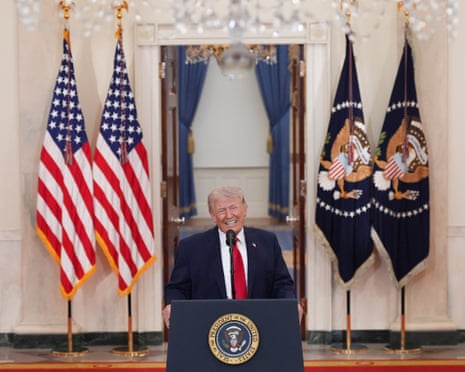
There were some usual swipes about “delayed courage” of unnamed allies, but we heard all of that before. In fact, the word “Nato” did not even feature in his speech. (As I kind of suggested was an option yesterday.)
Instead, Trump used a prime-time address to the nation to declare the month-long war in Iran a success “nearing completion”, despite, erm, a spiraling conflict that has caused economic turmoil across the globe, fractured transatlantic alliances and eroded the president’s approval ratings.
But the alarm caused by Trump’s comment remains real, even as some still doubt whether he would want to – or could – follow through on his dramatic comments about leaving the alliance.
The Guardian’s Julian Borger also rightly noted that any attempt to leave Nato formally would be likely to trigger a constitutional crisis that would almost certainly go to the US supreme court. However, the court has a record of siding with the executive in disputes over foreign policy issues.
But Ruth Deyermond, a senior lecturer at the department of war studies at King’s College London, said the crisis facing the alliance would not simply recede at the end of Trump’s White House tenure.
“This is wishful thinking,” Deyermond said on Bluesky. “The failure to understand the importance of the alliance for US security and the taking of allies for granted isn’t unique to the Trump administration.”
I will bring you some European reactions to Trump’s speech and all the other news from across the continent.
It’s Thursday, 2 April 2026, it’s Jakub Krupa here, and this is Europe Live.
Good morning.


