Jellyfish influx forces EDF to shut three reactors at Gravelines nuclear plant
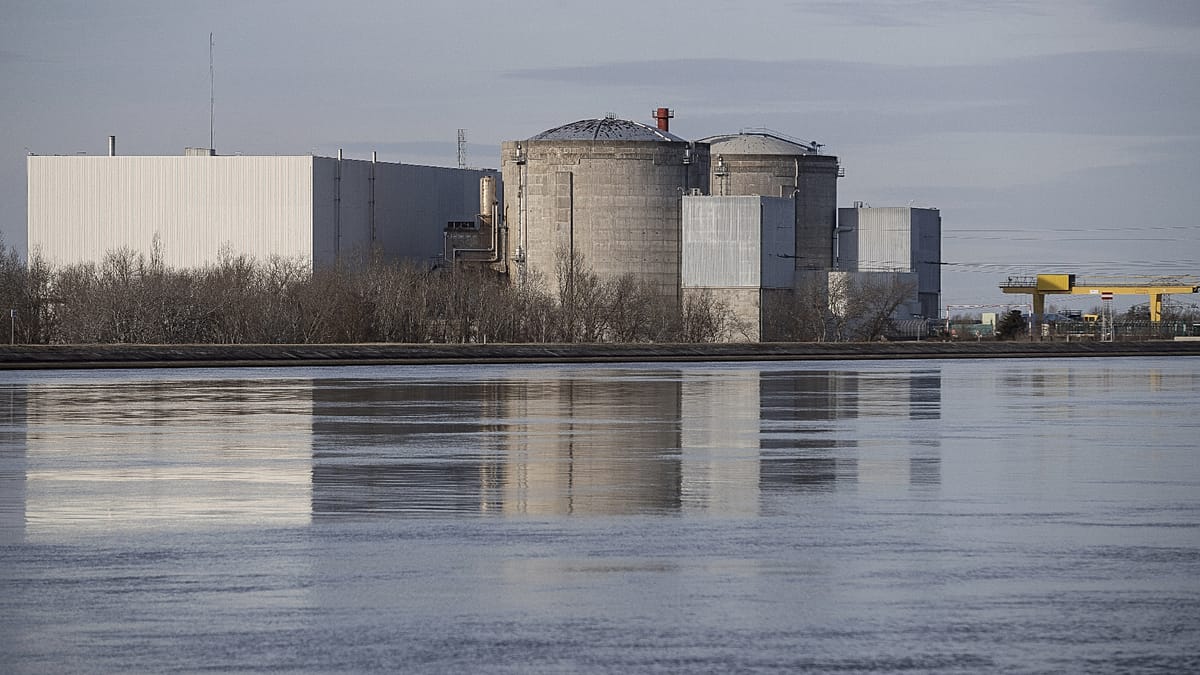
Published on 11/08/2026 - 16:40 GMT+2•Updated 16:43 A "mass influx of jellyfish" has brought two...
Published on 11/08/2026 - 16:40 GMT+2•Updated 16:43
A "mass influx of jellyfish" has brought two reactors at the Gravelines nuclear power plant to a halt.
EDF, which operates this nuclear power plant on the shores of the North Sea, has announced that generating units 3 and 4 were automatically shut down. The cause was jellyfish entering the plant's filtration system.
According to the company, the "situation has no impact on the safety of the facilities, the safety of staff or on the environment".
Already last year, four of its reactors were shut down for a similar reason. It took around ten days for all of them to be reconnected to the national grid.
Jellyfish are a regular seasonal presence along the northern French coastline. But reports of large shoals in this area every summer are becoming more frequent, partly due to climate change.
A record level of unavailability for the French nuclear fleet
While the incident is minor, the shutdown of three reactors at Gravelines, western Europe's largest nuclear plant, will have a major impact on energy production.
Only one reactor at the plant, generating unit No. 6, is still in operation. The fifth reactor is in a scheduled shutdown for maintenance.
In a broader context, France's nuclear fleet has hit a record for unavailability linked to drought and heatwaves, according to AFP calculations. Two units at the Chooz plant in the Ardennes are, for example, offline. The level of the Meuse, the river that supplies it with cooling water, is currently too low for use.
Heatwaves and drought are affecting nuclear power stations across Europe. On 2 August Hungary announced it was shutting down its only nuclear power plant because water levels on the Danube were too low. It was the first time in 44 years that the plant had been deliberately taken out of service.