How a glacier collapse may have triggered the Nepal-Tibet disaster
A massive piece of ice that fell thousands of metres from a glacier into a river below may have triggered the disaster in Nepal and Tibet. Scientists are still piecing together information from satellite and...
A massive piece of ice that fell thousands of metres from a glacier into a river below may have triggered the disaster in Nepal and Tibet.
Scientists are still piecing together information from satellite and ground-level data to figure out exactly what happened to cause the flood, which killed at least 353 people and left more than 1,300 missing, including foreigners and pilgrims.
"A large chunk of glacier fell from about 5,200 metres into a valley," said Simon Cox, principal scientist at New Zealand's GNS Science.
It "transformed into this raging mass of debris... where it picks up rocks and sediment and trees and anything in the way and fires it on down through the canyon," he told AFP.
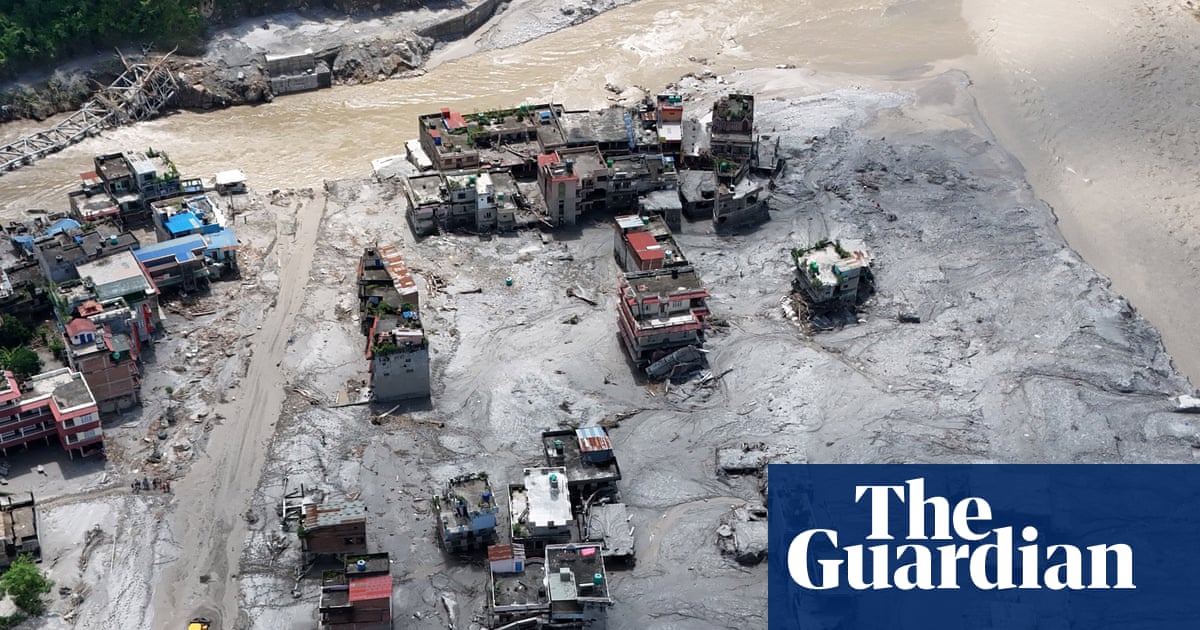
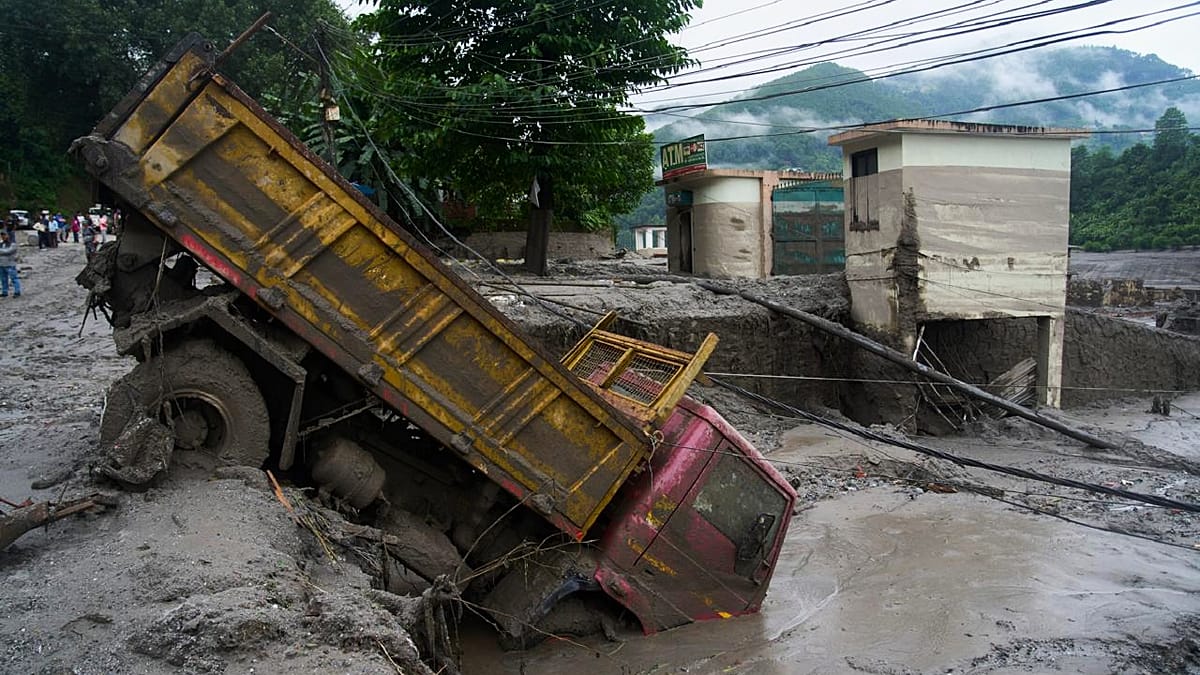
The wall of water first hit a border post, with CCTV footage showing mud and debris engulfing the area as people fled. It then travelled downstream into Nepal, flooding villages and destroying bridges and buildings.
What caused the wall of water?
Early speculation suggested a glacial lake outburst flood (GLOF), which occurs when a barrier holding back glacial meltwater suddenly collapses and releases the water downstream.
"Water does flow within glaciers and flows beneath glaciers," said Adrian McCallum, a glaciologist at the University of the Sunshine Coast.
"But to my mind, the only reason why a large volume of water should all of a sudden flow down a valley is because it has been released," he told AFP.
However, other experts said they found no existing glacial lakes near the site of the collapse. They suggested that water may instead have accumulated beneath the glacier and been released as the ice fell.
Another possibility is that the falling ice temporarily dammed the river, allowing water to build up before being suddenly released.
Summer glacier melt and monsoon rains may also have already raised river levels, while debris and mud picked up along the way further increased the volume of the flow, according to Cox.
Water levels across the flood-affected region rose by as much as nine metres in just 30 minutes following the surge from the glacier collapse, according to researchers at a Kathmandu-based climate research group.
“It was a huge rise, a huge surge of water that happened suddenly,” Saswata Sanyal said.
The glacier collapse was powerful enough to register as a magnitude 5.2 seismic event at 8:37 am (4:52 am CEST) and was initially mistaken for an earthquake.
After further analysis, the US Geological Survey determined that the event was a glacial collapse and debris flow and that no earthquake had occurred.
How satellites helped reconstruct the disaster
With much of the affected area inaccessible, experts are using satellite imagery and available ground measurements to reconstruct the disaster.
"We can look at satellite imagery taken before and after the event, and try and see what has changed, essentially looking for what is missing from the mountains in the 'after' imagery," said Lauren Vargo, a glaciologist at New Zealand's Victoria University of Wellington.
Shortly after the seismic activity was recorded, a nearby water monitoring station stopped transmitting, according to Nepali authorities.
Stations downstream then began going offline one by one. Water levels in Kalikhola, near the Tibet border, reached up to 12.3 metres at 2:14 pm (10:29 am CEST), authorities said.
Why warnings may not have been enough
Nepali authorities first received reports of flooding at around 9:00 am local time (5:15 am CEST) and warned communities along the Bhote Khoshi river to "stay on high alert and stay in safe areas".
However, it remains unclear how many people received the warning or how much time they had to respond.
"The reality is, if you are in a community underneath a large glacier and potentially a glacier lake where a GLOF could occur, then to some extent, it's a ticking time bomb," said McCallum.
Even for those who received a warning, options would have been limited, said Hatim Sharif, a hydrologist at the University of Texas San Antonio.
"Running will not help," nor will trying to flee by vehicle, he told AFP, because the mud and water moving at high speed form a lethal combination "like liquid concrete."
The only solution is to climb up a hill, at least six metres, he estimated.