Thousands protest over Spain’s handling of Ceuta border crisis – Europe live

Key events11m agoMorning opening: Sánchez to discuss Ceuta crisis in Spanish parliamentSánchez begins by paying tribute to the people of Ceuta, “who are enduring difficult times” as a result of the...
Key events
Sánchez begins by paying tribute to the people of Ceuta, “who are enduring difficult times” as a result of the crisis.
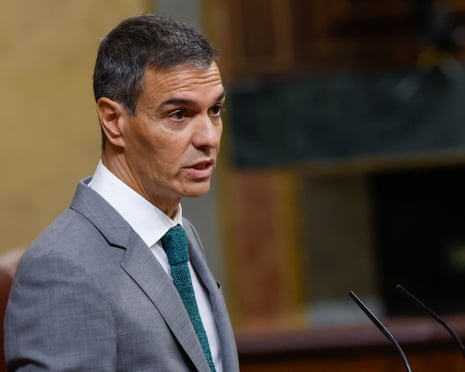
He also reaffirms Spain’s sovereignty over Ceuta and Melilla.
But says what is happening in Ceuta is “far more complex and multifaceted,” with “a convergence of numerous actors and interests” with no simple explanation for those who “prefer to live in a world of slogans.”
He goes through the facts of the crisis, including a reconstruction of the weeks leading to the border incursion and how the number of irregular crossings changed in those weeks
He says that a series of viral social media posts encouraging people to cross the border and misleadingly citing a recent Supreme Court return started appearing online on 30 July, leading to a surge at the border.
He says that with migrants crossing the border at the Tarajal breakwater, Spanish border agents could not intervene without risking a much higher number of drownings and victims. Some 141 people are believed to have died during the crisis.
But since then Spain succeeded in sending the vast majority of irregular migrants back to Morocco – which he hails as “one of the fastest return processes ever carried out in recent European history” – and installed a number of additional border measures to prevent further crossings, he says.
He admits the situation in Ceuta today continues to pose a humanitarian and management challenge, with many migrants still in the city – but that state institutions stepped up to the occasion.
He says Spain is responding to the crisis in line with international law and procedures that it would expect others to apply to its own citizens elsewhere.
But his frustration is palpable: throughout the statement, he criticises some reactions from political rivals and some media reporting on the crisis.
He also takes a shot at some other European countries for not showing their full solidarity with Spain. He does not name any country in particular, but in a pointed passage clearly aimed at Italy and Denmark – the two countries that led the public criticism of Spain – says the principle of solidarity should apply to Ceuta as much as it applies to Greenland and Lampedusa.
Morning opening: Sánchez to discuss Ceuta crisis in Spanish parliament

Jakub Krupa
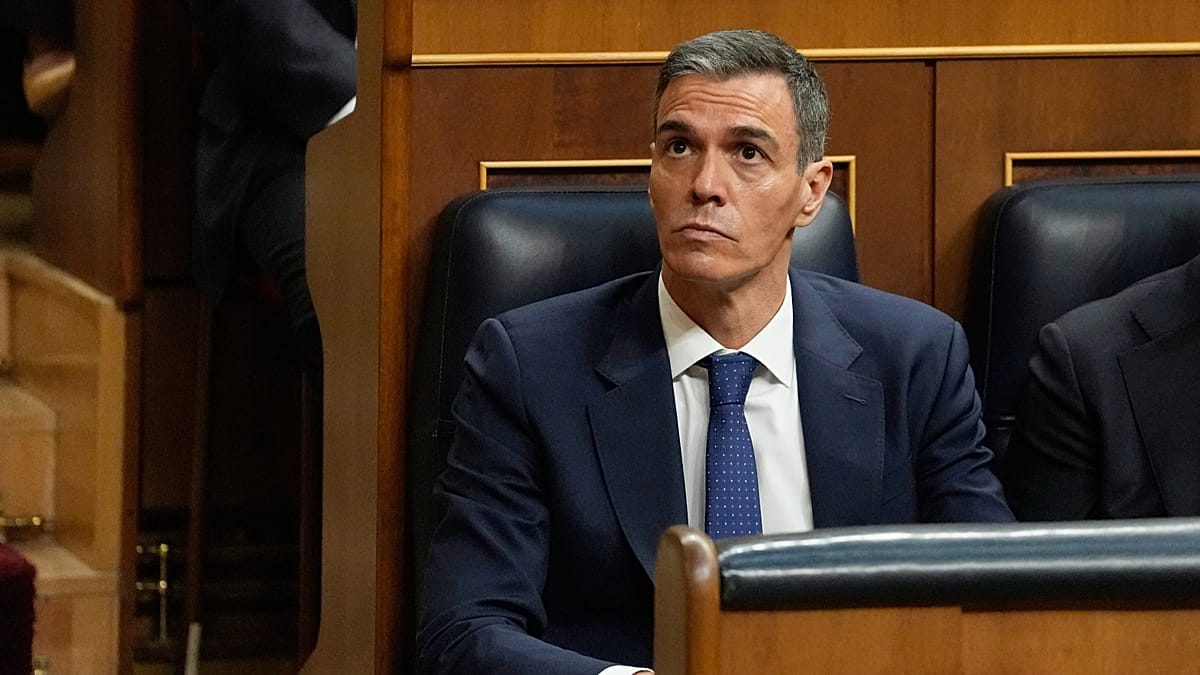
Spanish prime minister Pedro Sánchez faces a tricky parliamentary session this morning, as he faces lawmakers to discuss last month’s migration crisis in the north African territory of Ceuta.
His appearance in the Congress comes after tens of thousands of people took to the streets last night to show their solidarity with the territory and protest again the government’s migration policy after over 70,000 irregular migrants crossed into Ceuta from Morocco.

A leaked police report claimed that Moroccan security forces played a role in the Ceuta crisis with “total permissiveness” to irregular border crossings, contradicting the Spanish government’s diplomatic line on the incident and sparking further fury from the public.
While the Spanish government argued that the vast majority of irregular migrants were returned to Morocco within the first 24 hours, some 5,000 are believed to still remain in Ceuta, including minors, contributing to a continuing humanitarian crisis.
The protests were officially organised by the nonpartisan Spanish Federation of Municipalities and Provinces, but with strong support from two opposition parties, the Partido Popular and Vox.
I will bring you all the key lines from Sánchez’s speech this morning.
Elsewhere, I will also keep an eye on other news across Europe.
It’s Thursday, 3 September 2026, it’s Jakub Krupa here, and this is Europe Live.
Good morning.