Estonia moves to protect youth’s mental health in the digital age
Published on 31/08/2026 - 16:41 GMT+2 On Monday, Estonia’s prime minister Kristen Michal tasked national experts with finding ways to reduce the negative impact of social...
Published on 31/08/2026 - 16:41 GMT+2
On Monday, Estonia’s prime minister Kristen Michal tasked national experts with finding ways to reduce the negative impact of social media and gaming environments on youth’s mental health, as countries in Europe are stepping up social media control.
The advisory board of ten experts – ranging from a vice-chairman of the Estonian National Youth Council to a neuroscientist and a clinical psychologist – has until next year to come up with proposals and recommendations for the state, parents and young people related to both social media and video game environments.
The aim is to develop solutions that recognise the important role digital environments play in young people’s everyday lives, while also addressing and reducing the risks associated with their use.
The work will focus on identifying potential risks to young people’s mental health, preventing problematic digital use, raising awareness among children and parents, and exploring ways to create a safer digital environment that better protects young people’s rights, health and well-being.
"Anxiety and mental health problems among young people are a serious and growing concern,” Estonia’s Prime Minister said in a press release.
Several countries have imposed or are discussing restrictions on social media for young people, including Belgium (Flanders), Bulgaria, Denmark, Spain and other European Union countries.
Michal believes that “more important than bans is to find solutions that would actually help our young people.”
“That is why I have convened an advisory board consisting of Estonia's leading experts to find effective ways to reduce the negative effects of social media in cooperation with researchers, youth work specialists and youth representatives," he said.
At the first meeting, Andra Siibak, professor of media studies at the University of Tartu, was elected chair. "We will start looking for and discussing these solutions in the Advisory Board in cooperation with young people to reach recommendations that would be not only science-based but also applicable in the opinion of the target group itself," said Siibak.
Rising concerns
Recent Estonian research points to growing concerns about young people's experiences online.
According to the University of Tartu's 2025 EU Kids Online Estonia study, students are increasingly encountering disturbing online content, sexually explicit messages and excessive internet use. The research also found a link between children's mental well-being, online bullying and exposure to harmful content.
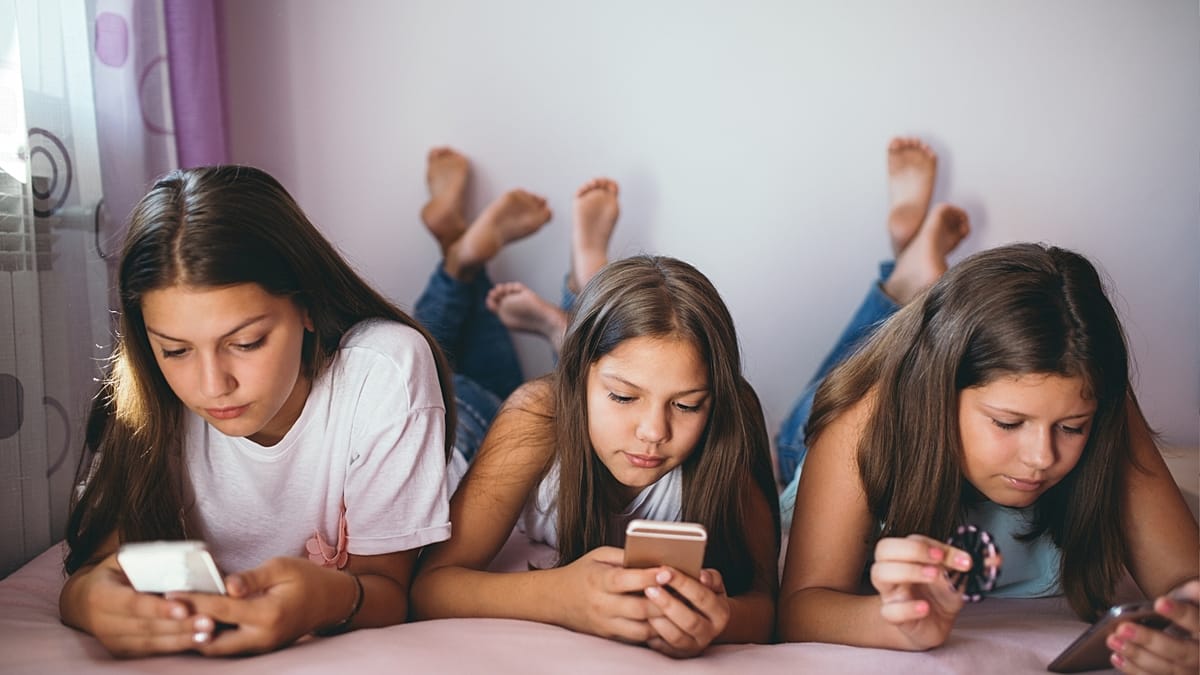
Data from the National Institute for Health Development's Health Behaviour in School-aged Children study also points to an increase in problematic digital use. In 2022, 8% of 11- to 15-year-olds reported symptoms associated with social media addiction, up from 6% in 2018. The figure was 10% among girls and 7% among boys, with 13-year-old girls identified as a particularly vulnerable group.
The study found that 63% of girls and 47% of boys spent at least two hours a day on social networks, with usage increasing with age.
Longer use of electronic media for communication was associated with lower life satisfaction, shorter sleep, poorer academic performance and more frequent depressive episodes.
There has been a growing global movement aimed at controlling youth’s social media usage. Just last week, Meta announced new restrictions on its platforms: Meta's Instagram and Facebook will soon lock kids out at midnight and cap their scrolling at two hours a day, part of an $18bn (€15.4bn) settlement with 48 US states.