Airbus under fresh scrutiny as EASA orders A380 inspections over wing cracks
Published on 23/06/2026 - 22:42 GMT+2 The European Union Aviation Safety Agency (EASA) has ordered emergency inspections of 16 Airbus A380 aircraft after cracks were...
Published on 23/06/2026 - 22:42 GMT+2
The European Union Aviation Safety Agency (EASA) has ordered emergency inspections of 16 Airbus A380 aircraft after cracks were discovered in a structural component inside the wings of one of the superjumbos.
Airbus, Europe's largest aircraft manufacturer, confirmed that 15 of the affected aircraft are operated by Dubai-based Emirates and one by Australia's Qantas. Five Emirates aircraft have been ordered to undergo inspections before their next flight.
The checks will focus on the wing mid-spar, a key structural element inside the wing box that helps distribute the stresses generated during flight.
The regulator has not grounded the entire A380 fleet and there is no indication of an immediate safety risk across all aircraft. But emergency directives from EASA are rare and usually reserved for issues that could affect the airworthiness of an aircraft if left unchecked.
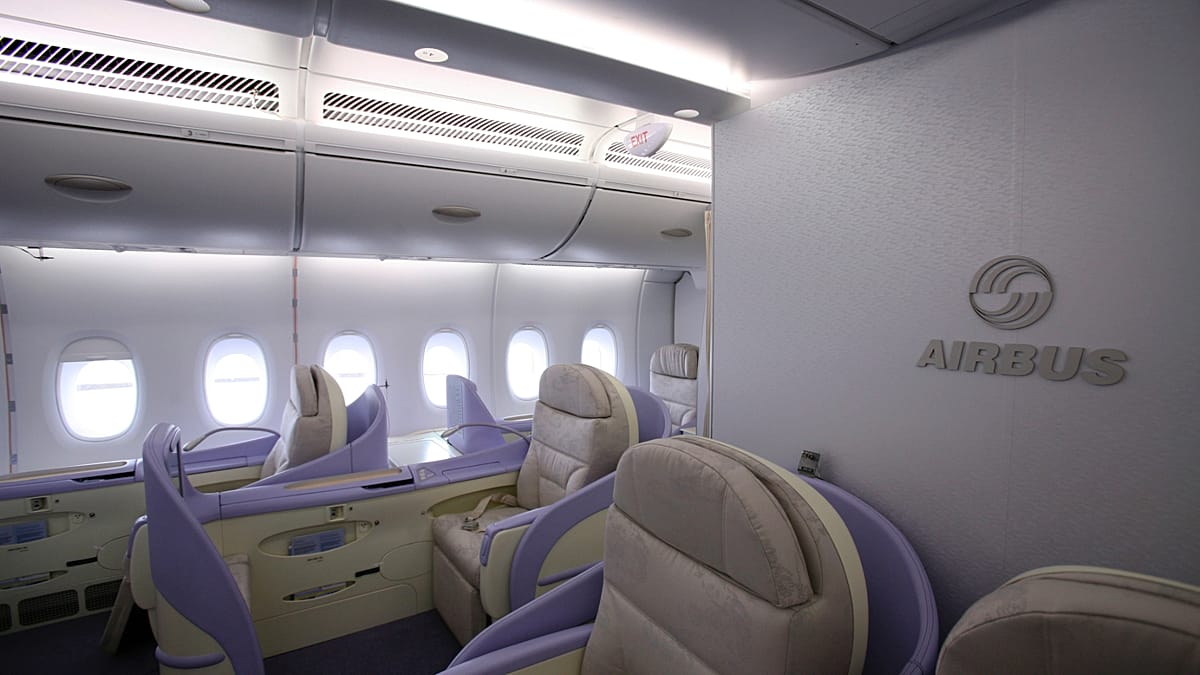
The A380, the world's largest passenger jet, entered service in 2007 and remains a flagship aircraft on some of the world's busiest long-haul routes, despite Airbus ending production in 2021.
Airbus is struggling to increase production because of persistent supply chain problems, particularly a shortage of engines from Pratt & Whitney. The bottlenecks have left completed aircraft parked at Airbus facilities in Toulouse and Hamburg waiting for engines before they can be delivered to airlines.
It is also facing growing regulatory pressure in Europe, as EASA has tightened maintenance requirements for certain A330 aircraft and has been overseeing updates to the A320 family after concerns about flight control computers following an incident linked to intense solar radiation.
Airbus chief executive Guillaume Faury had complained earlier this month that "Europe has become too heavy, too slow, too complicated", arguing that regulation, high energy prices and administrative costs are undermining the continent's competitiveness.