Pedro Sánchez calls early elections in Spain after defeat of housing decrees
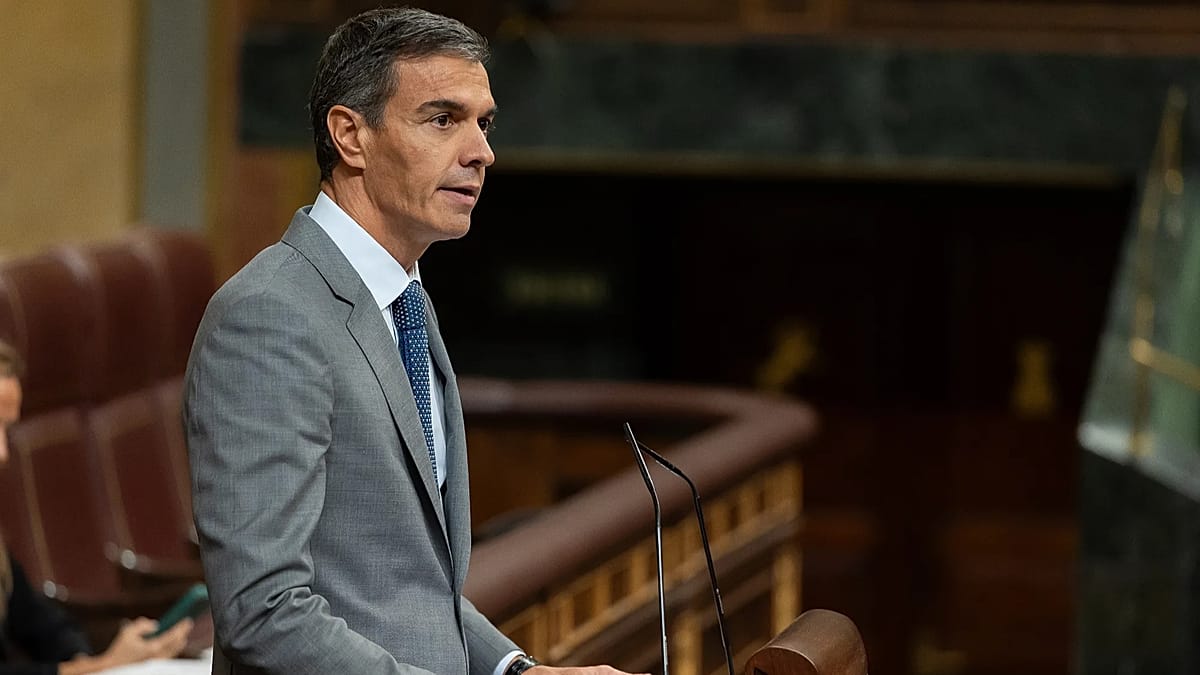
The Prime Minister announces his decision after days of reflection, amid the defeat of housing decrees in Congress, the migration crisis in Ceuta and a weakening parliamentary majority.
Published on 05/10/2026 - 9:11 GMT+2
Spain's prime minister, Pedro Sánchez, has decided to call an early general election after a brief period of reflection launched following Congress's rejection of two housing decree-laws promoted by his government.
The decision comes after Congress on Friday voted down the two decree-laws with which the executive had sought to respond to the housing crisis. The measures were defeated despite last-minute negotiations by the government to try to secure the necessary support.
After the parliamentary defeat, Sánchez opened a period of reflection and over the weekend held talks with ministers and PSOE leaders to assess the different options and decide whether to see out the legislature or hand the decision back to citizens at the ballot box.
Ceuta, corruption and an increasingly fragile majority
The announcement comes after particularly difficult months for the coalition government, marked by the struggle to muster the necessary support in Congress, court cases affecting figures close to the PSOE and the severe migration crisis in Ceuta.
The autonomous city came under unprecedented pressure at the end of July, when tens of thousands of migrants crossed the border from Morocco. The scale of the arrivals forced the government to deploy extraordinary resources and, weeks later, to declare for the first time in the democratic era a situation of interest for national security to strengthen coordination between the different levels of administration.
The handling of the crisis has sparked a fierce political confrontation. The People's Party (PP) and Vox have accused the executive of reacting too late and have questioned its policy towards Morocco, while Sánchez has defended the actions of the security forces and his government's response.
On top of the situation in Ceuta, several corruption cases and legal proceedings have emerged affecting the president's political circle, which the opposition has used to increase the pressure on the executive.
The fragility of the parliamentary majority has also become increasingly evident. The government has had to negotiate much of its agenda vote by vote with its partners and has suffered several defeats in Congress.