Why do astronauts get constipated in space? Blood tests offer new clues
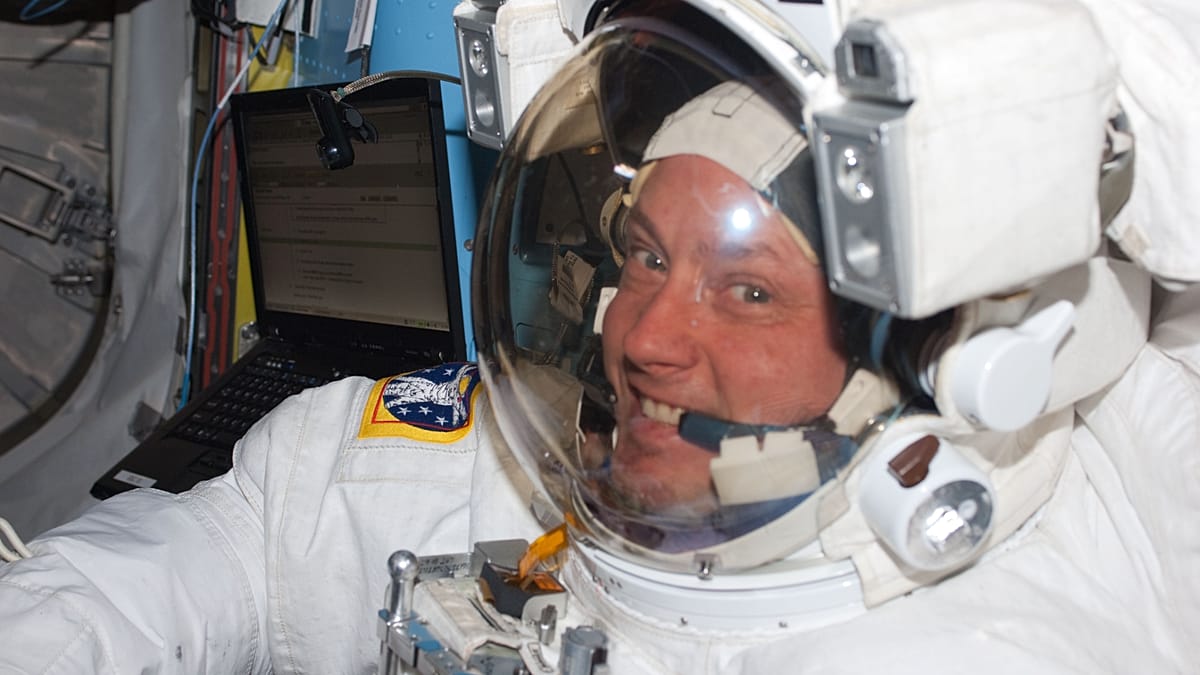
Constipation is a common problem for astronauts. But exactly why the intestines slow down in space has remained unclear. Now, researchers from the University of Copenhagen, working with NASA, say they have...
Constipation is a common problem for astronauts. But exactly why the intestines slow down in space has remained unclear.
Now, researchers from the University of Copenhagen, working with NASA, say they have found clues in the blood of astronauts that could help explain what happens to the gut when the body leaves Earth.
The researchers analysed blood samples from 52 astronauts who spent months aboard the International Space Station (ISS). Their findings suggest that changes in the gut begin relatively soon after astronauts enter space.
Within weeks of leaving Earth, the astronauts showed signs that bacteria in their intestines were fermenting more protein than usual. This change continued throughout their missions and disappeared after they returned to Earth.
What happens to the gut in space?
Normally, food moves through the digestive system as the intestines contract in a process known as peristalsis. But without gravity, the researchers suspect that food may move more slowly through the gut.
When food remains in the intestine for longer, gut bacteria can use up available fibre and begin breaking down protein instead. This process is known as protein fermentation.
The bacteria produce metabolites, small molecules that can enter the bloodstream and travel around the body.
The researchers say the increase in protein fermentation fits with the idea that microgravity slows the movement of food through the intestine, potentially contributing to constipation.
The gut and brain are connected
The consequences may extend beyond digestion.
Some of the metabolites produced during protein fermentation can enter the bloodstream and are linked to effects elsewhere in the body. Researchers are particularly interested in the so-called gut-brain axis, the two-way communication between the digestive system and the brain.
Previous research has associated some products of protein fermentation with health effects including changes in mood and reduced ability to concentrate.
The researchers stress that protein fermentation is not unusual and also occurs in people on Earth. But the consistently higher levels observed in the astronauts suggest that something changes in the intestinal environment during spaceflight.
52 astronauts, a relatively large sample group
The findings are notable because spaceflight studies are usually based on relatively small numbers of participants. The new analysis combined samples from three different studies involving 52 astronauts, who took part in different missions over several years.
Despite these differences, the researchers found a consistent increase in markers of protein fermentation.
The study used a so-called non-targeted metabolomics approach. Rather than looking for a specific set of substances, the researchers analysed a broad range of metabolites in the blood and looked for changes associated with spaceflight.
What this could mean on Earth
The findings could become increasingly relevant as space agencies prepare for longer missions to the Moon and potentially Mars.
If the gut slows down during extended spaceflight, astronauts may need measures to maintain healthy digestion. The researchers suggest that increasing dietary fibre, using prebiotics or other treatments that support intestinal movement could potentially help.
But the implications may not stop at space. People who are bedridden for long periods can also suffer from constipation. The researchers say that the same combination of slower intestinal movement and increased protein fermentation could potentially contribute to health problems in these patients.
For now, the study provides a possible explanation for one of the less glamorous challenges of space travel: when gravity disappears, the gut slows down with it.