Heat, rain and Saharan dust hit Portugal
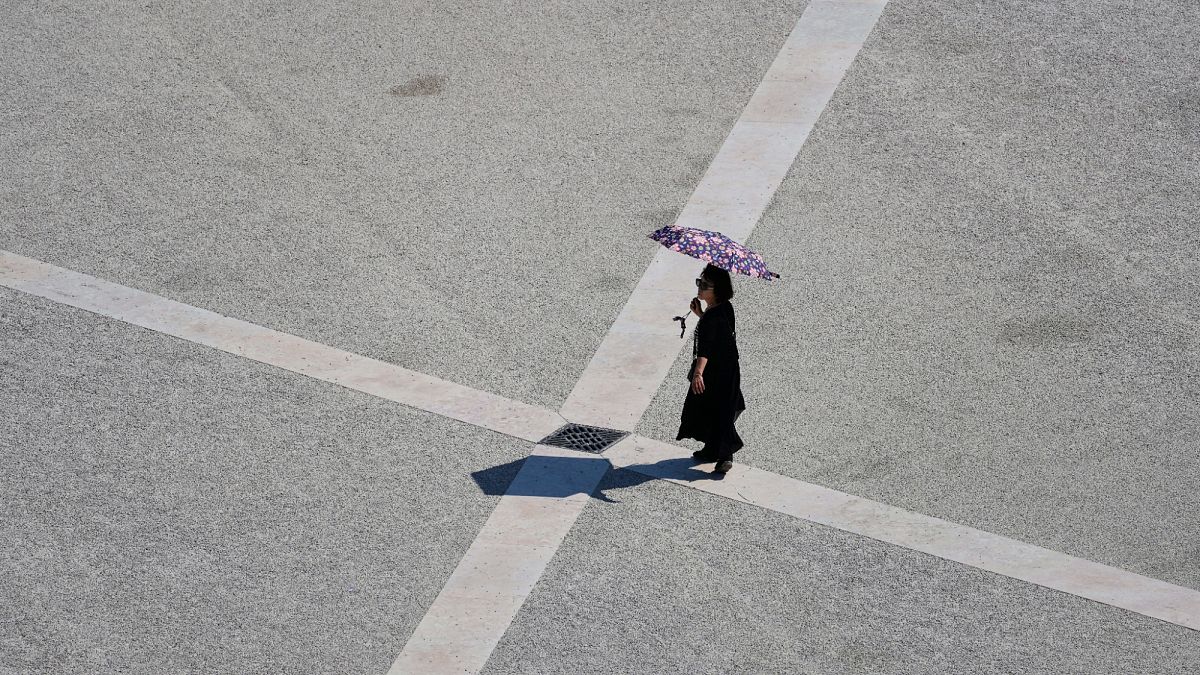
Portugal’s weather agency IPMA forecasts weekend temperatures above the seasonal average, with rain and thunderstorms, as a tropical air mass brings Saharan dust over the Iberian Peninsula.
Temperatures this weekend could reach 35°C in mainland Portugal, a spell of hot weather that IPMA, Portugal's meteorological institute, considers unusual for the time of year.
Thermometers are expected to read between 30°C and 35°C across most of the country, with highs of up to 39°C in some inland areas of the Tagus Valley. Minimum temperatures will also rise nationwide, settling at around 20°C.
Over the weekend, the high temperatures will be accompanied by some cloud cover and showers along the coast, with the possibility of heavy rain and hail, together with thunderstorms, in inland areas, especially on Saturday afternoon. Because of the humidity, temperatures in those regions may drop slightly. There will also be suspended dust from North Africa, IPMA adds.
According to IPMA, this weekend's weather conditions are favourable to the transport of dust from North Africa. The suspended dust is expected to linger until the end of the day on Saturday.
What is this desert dust and what precautions should you take?
The phenomenon begins in the Sahara Desert in North Africa, with storms accompanied by strong winds that lift large quantities of sand and dust.
The Meteo Trás-os-Montes portal, a Facebook page dedicated to providing information on weather phenomena, explains that the heavier particles quickly fall back to the ground near their source, that is, in the Sahara Desert. The finer, lighter particles, however, can rise thousands of metres into the atmosphere and remain suspended for several days.
After reaching altitudes above 1,500 metres, the lighter dust particles are carried by air currents, beginning a long journey over the Mediterranean and the Atlantic. Depending on the weather conditions, these dust plumes can travel thousands of kilometres. Some reach Europe, Spain and Portugal, while others cross to the other side of the Atlantic. When the wind changes direction or weakens, these particles start to fall back to the surface.
This build-up of desert dust can cause discomfort for some people, such as allergies and other respiratory problems (asthma, bronchitis). It also creates haze, reducing visibility, which can increase risks, especially for drivers.
But it is not all bad news: the positive side of desert dust is that it is rich in minerals, especially iron and phosphorus, and when it falls into the ocean it becomes an important nutrient for the marine food chain, Meteo Trás-os-Montes points out. When it reaches land, it acts as a natural fertiliser.
Rain: eight northern and central districts on yellow alert
Also according to information released by IPMA, the districts of Bragança, Vila Real, Braga, Viana do Castelo, Aveiro, Porto, Viseu and Guarda will be under a yellow warning on Saturday, the least severe on a three-level scale, because of expected rain and thunderstorms.
The anticipated heatwave is expected to intensify over the course of next week, so the public is advised to take specific precautions, such as increasing their water intake, avoiding alcoholic drinks, seeking cool or air-conditioned environments for at least two to three hours a day, avoiding direct exposure to the sun, especially between 11 a.m. and 5 p.m., and using sunscreen with a protection factor above 30.
Additional sources • IPMA