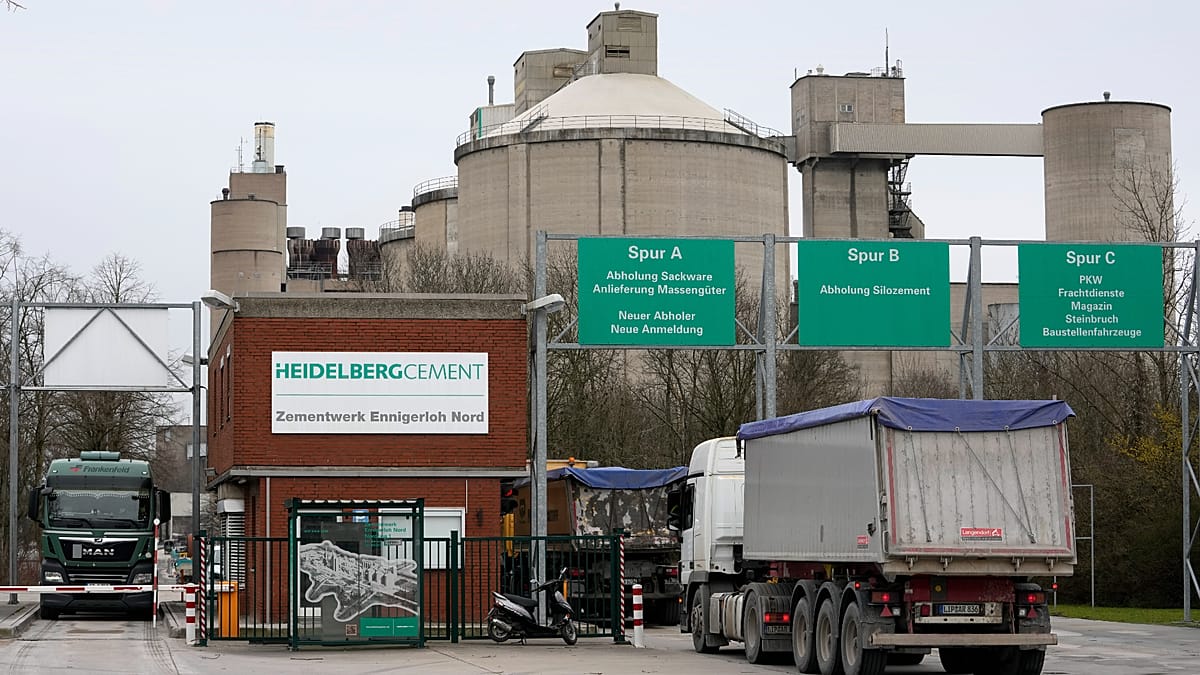

Migration partnership with Rwanda sparks EU backlash over human rights record
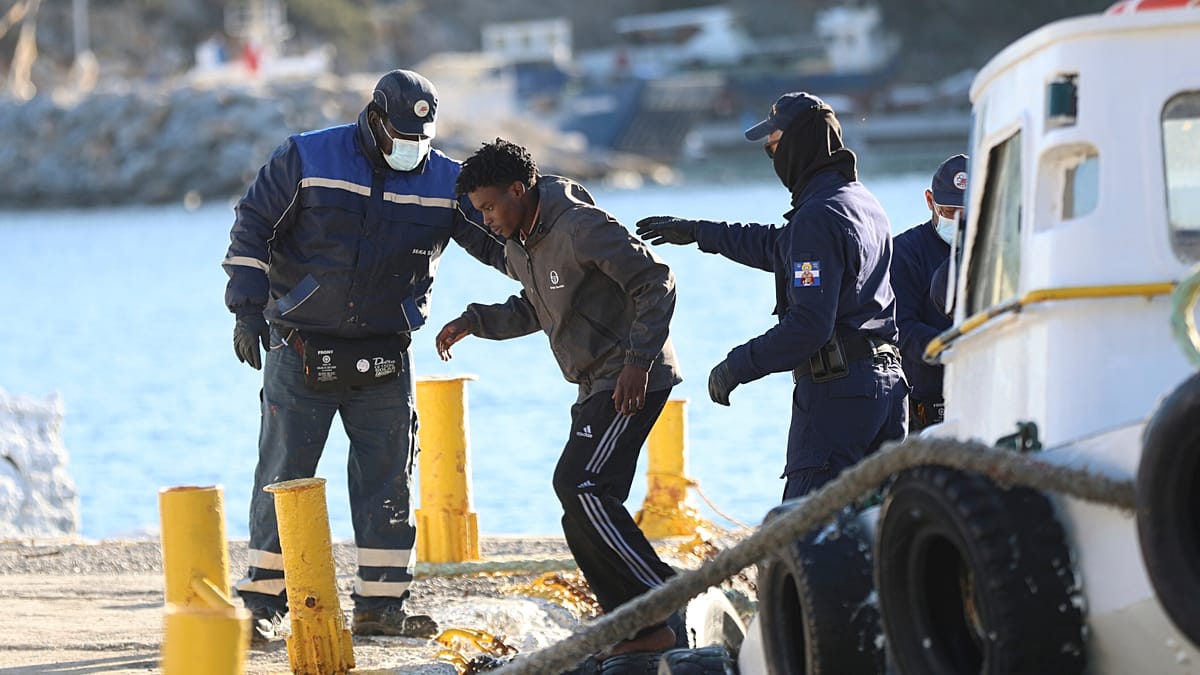
Kigali’s human rights record is under scrutiny as it prepares to host the first EU return hubs outside the bloc. Rwanda’s Interior Minister rejected the criticism, pointing out to the country's experience in dealing with migrants.
Published on 17 November 2026 - 15:26 GMT+1•Updated 15:28
The announcement of a partnership between five EU countries and Rwanda to set up the first return hub outside the bloc has sparked controversy across Europe.
Although the final deal is still under negotiation, growing criticism has emerged over Rwanda’s human rights record. Furthermore, the planned deportations from the five participating countries — Austria, Germany, Denmark, the Netherlands and Greece — to Rwanda, which are expected to begin in 2027, could face legal challenges before European courts.
“I see neither future nor humanity in it,” Spanish Prime Minister Pedro Sánchez said in an interview when asked about the initiative, in an indirect swipe at the five member states involved in the project.
The proposed partnership concluded in Vienna on Monday would establish the EU’s first return hub outside the bloc, with the facility expected to accommodate around 100 people at a time. Those transferred to Rwanda would be free to move around the country and would be expected to integrate into Rwandan society and the local labour market.
Many members of the European Parliament strongly condemned the political agreement, citing both the risk of abuses in Rwanda and the prospect of migrants being stranded in a country with which they have no ties.
“It is particularly disturbing that the fate of human beings is entrusted to a country burdened by documented allegations of serious violations of fundamental rights,” said Italian MEP Marco Tarquinio of the Socialists and Democrats (S&D) group.
Similar concerns were voiced by other MEPs, including Iraqi-born Swedish MEP Abir Al-Sahlani of Renew Europe, who questioned the rationale behind the agreement in an interview with Euronews’ flagship programme, Europe Tonight: “If we in Europe were not able to send them back to their countries, what makes us believe Rwanda will be able to?” Al-Sahlani asked.
The European Parliament has previously taken a hard line on Kigali. It called for the suspension of an EU-Rwanda memorandum of understanding on critical raw materials, over alleged war crimes and the occupation of territory in eastern Democratic Republic of Congo by Rwanda’s defence forces.
Humanitarian organisations also voiced their opposition. In a joint statement, a total of 45 NGOs described the partnership as a “cruel measure” that pushes migrants into further insecurity.
Rwanda's human rights record in question
Rwanda has sought to establish itself as a partner for Western countries looking to relocate migrants beyond their borders, although previous agreements of this kind have faced significant challenges.
In 2018, Kigali backed out of an agreement with Israel to accept refugees deported against their will, while a deal to transfer asylum seekers from the United Kingdom was ruled unlawful by the UK Supreme Court because of Rwanda’s poor human rights record.
In 2025, Kigali agreed to accept 250 migrants from the US under a deal with President Donald Trump’s administration but has so far relocated only a few of them.
According to an Amnesty International report, in all these cases Rwanda failed to show it could guarantee fair procedures and adequate protection for people transferred from another jurisdiction.
Rwanda’s Interior Minister Vincent Biruta dismissed the criticism in response to a question from Euronews at the conference on Tuesday.
“Human rights in Rwanda are respected for everyone, and specifically for the migrants who choose to come to our country,” he said, describing his country’s integration policy as “one of the most progressive” because it allows refugees to work.
Biruta defended Rwanda’s long experience with migrants. He pointed out that Kigali currently hosts more than 140,000 refugees and asylum seekers and has run a transit centre for people evacuated from Libya since 2017.
“Which other country has come forward to propose a solution for those refugees? We were the only ones,” he said.