

Fuel prices in Portugal fall by up to 9.5 cents amid Brent crude price drop
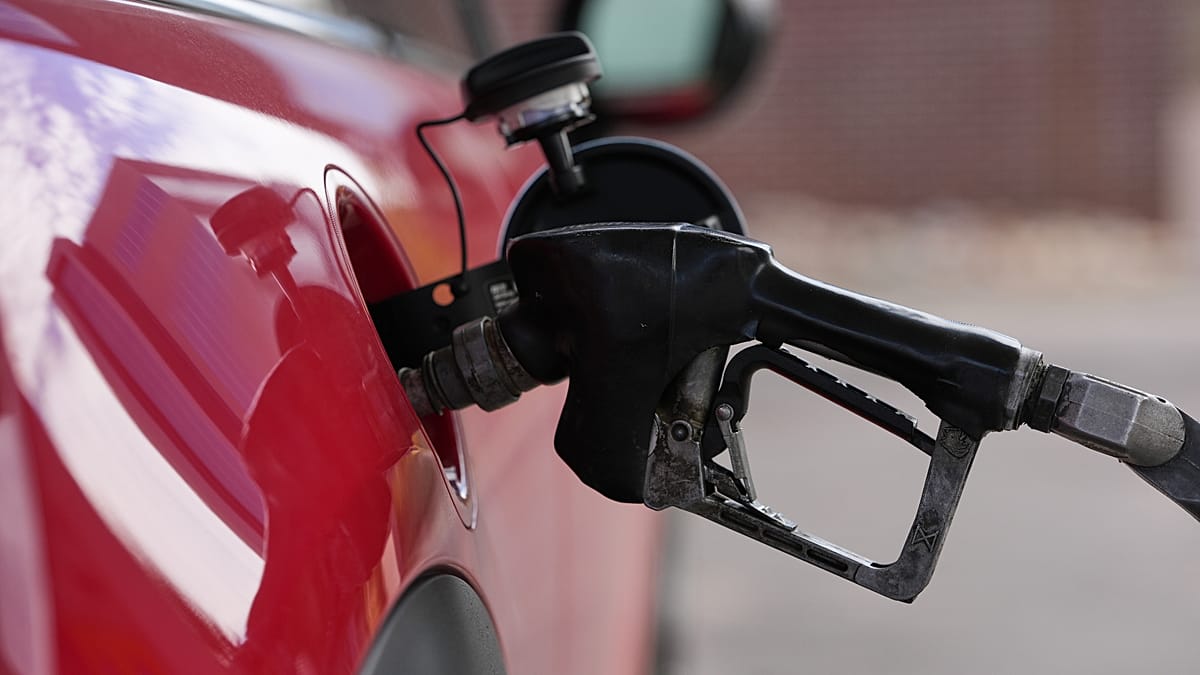
The week began with one of the biggest fuel price drops in Portugal since March, 9 to 9.5 cents on petrol and diesel, but it would have been bigger had the government not reduced the ISP discount.
Published on 9 November 2026 - 16:58 GMT+1
If you filled up your car this Monday, you will have noticed that the amount you paid allowed you to put a little more fuel in the tank than has been usual since Donald Trump and Netanyahu attacked Iran at the end of February. This morning, petrol in Portugal was 9.5 cents cheaper and diesel fell by 9 cents.
It was supposed to go down further. According to an estimate by the Automóvel Clube de Portugal (ACP) (source in Portuguese), the price of petrol should have fallen by 12.5 cents and diesel by 11 cents, but since the government reduced the extraordinary discount on the Tax on Petroleum Products (ISP), prices at a filling station in central Lisbon this Monday stood at €1.92 for standard 95 petrol and €2.13 for special diesel, according to the simulator available (source in Portuguese) on the DGEG portal.
Ups and downs will continue, with slower falls
The drop in fuel prices could "be very slow", according to the minister for Environment and Energy.
In comments to Rádio Renascença (source in Portuguese), Maria da Graça Carvalho acknowledged that "the trend is down", but the minister stressed that this development depends on external factors, such as the "destruction of refineries", not only in the Middle East but also "in Russia and Ukraine", whose facilities will "take a long time to be rebuilt, repaired or even built from scratch".
The war in Iran and the resulting closure of the Strait of Hormuz, as well as continued attacks on oil tankers trying to cross the Persian Gulf since March this year, are affecting fuel prices in Portugal and worldwide.
Although Portugal secures supplies of crude oil from other regions, such as Brazil, with about 42.3% (in 2025), Algeria (19.6%), Nigeria (10.6%), Azerbaijan (10%) and the US (7.6%), the country still feels the impact of the price, "because it is global", the minister also underlined.
On Friday, the price of a barrel of Brent closed at 98.68 dollars, down 15.11 dollars (13.32%) compared with the previous week (Friday 30 October), and at 15:00 this Monday Brent was trading at 94.00 dollars per barrel.
This easing in benchmark prices is a good indicator of further falls. However, uncertainty around the conflict between the US, Israel and Iran means fuel prices remain highly volatile.