
What's the EU's plan to cut your energy bill? Ask the Euronews AI chatbot
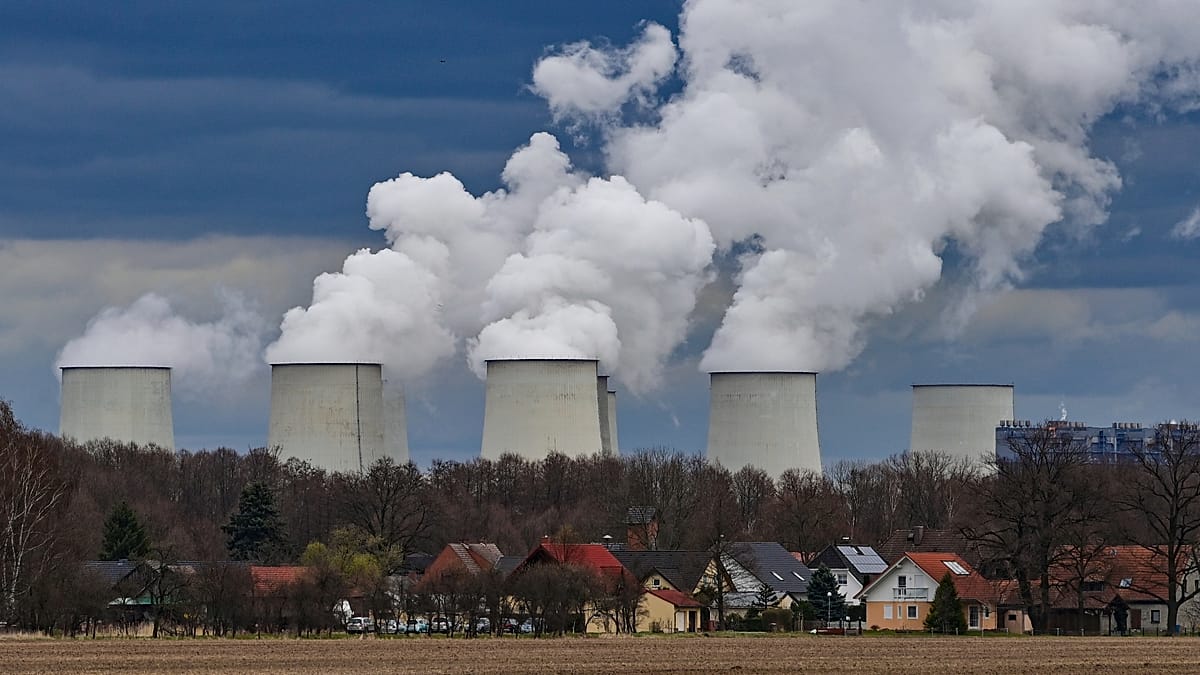
EU energy ministers discussed measures to ease winter energy costs as the Strait of Hormuz remains closed, driving energy bills higher. But what do they include? Ask the Euronews AI chatbot.
Published on 2 November 2026 - 9:30 GMT+1
At the EU Council energy meeting in Luxembourg on October 29, ministers discussed strengthening the bloc’s energy security, affordability, and resilience to limit the Middle East war's effect on European energy bills.
Europe meets 57% of its energy needs through imported fossil fuels. This leaves the bloc highly vulnerable to global market shocks and price swings when gas supply conditions shift, such as rising demand or conflict-related shipping constraints.
Wholesale gas prices on the Dutch Title Transfer Facility (TTF) rose from about €28 per megawatt per hour (MWh) in January to nearly €104 at the end of October. Europe's energy regulator, ACER, estimated that the Middle East crisis added €18-€33 billion to the bloc’s gas import costs for the same volume, pushing overall inflation to 3.8% in September.
Ministers negotiated cutting electricity costs and taxes for winter, ensuring electricity excise taxes are no higher than natural gas excise taxes. They backed maximising existing grids, strengthening interconnection between member states, increasing investment in domestic clean energy, and diversifying supplies. The EU’s adopted approach must always be grounded in coordination and solidarity among member states.
These measures build on the EU’s efforts to strengthen energy resilience since Russia’s war in Ukraine began and on its latest plan, AccelerateEU, proposed in April to expand clean energy, diversify supplies, and speed the clean-energy transition.
They also complement national measures, with governments spending €17.9 billion on short-term relief this year, including energy vouchers, price caps, and excise-duty cuts.
Do you want to know more about the EU's plan to drive down energy bills? Ask the Euronews AI chatbot!