
Lame duck or mad dog? Why Trump's defeat could spell trouble for Europe
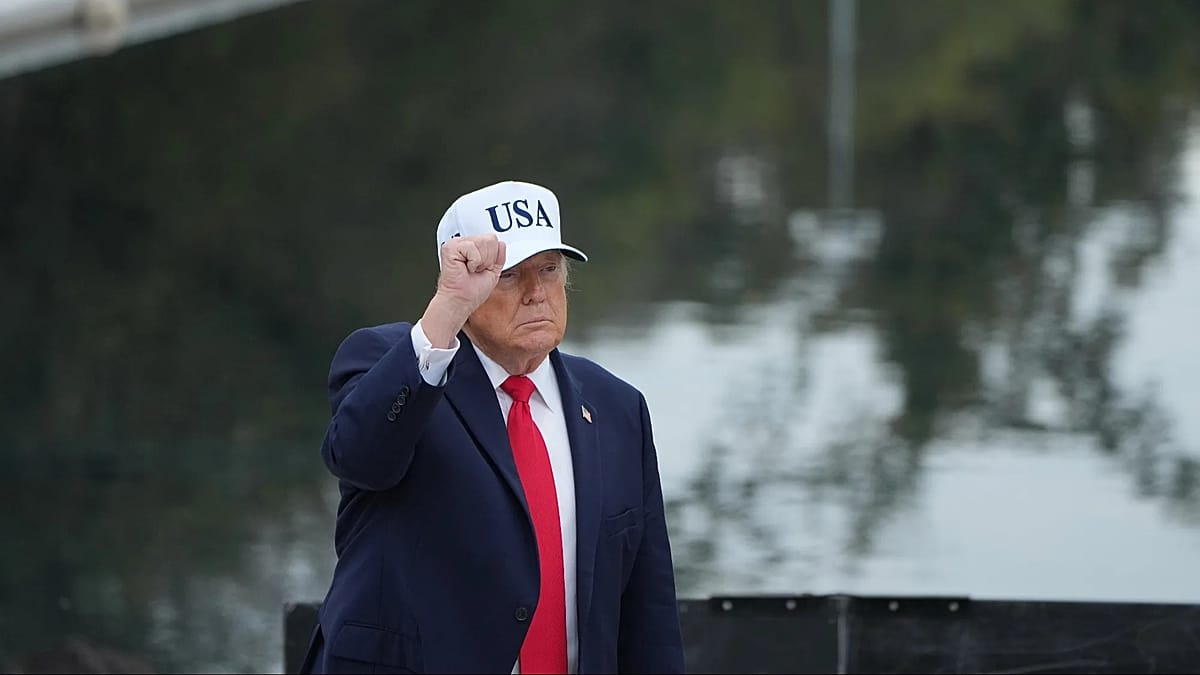
The extraordinary Democrat victory in the US midterms leaves Donald Trump wounded as he enters the final stretch of his presidency. That could leave him more unpredictable abroad, raising fears in Europe of fresh turmoil over Ukraine, Iran, NATO and trade.
The 2026 US midterms have delivered one of the most crushing defeats in modern American political history. Democrats swept aside Republicans to seize control of both chambers of Congress and win governorships across the country, dealing a devastating blow to Donald Trump.
The president was not on the ballot, but voters delivered a damning verdict on his deeply unpopular administration. Trump now faces his final two years in office with his authority weakened, his opponents emboldened and the clock ticking on his presidency.
But for Europe, the question is whether a weakened Trump will become a more dangerous one.
The European Union has spent the past two years weathering shocks from Washington over security, trade and energy. Now, with his domestic agenda facing stiff resistance in Congress, Trump could turn increasingly to foreign policy, where he has greater room for manoeuvre, in a bid to reclaim the initiative and secure his legacy.
“He will be more a ‘mad dog’ than a ‘lame duck,’” an EU diplomat told Euronews, as the latter term traditionally describes presidents facing a hostile Congress.
“The mood is quite realistic: no one expects the current challenges will disappear,” the diplomat added.
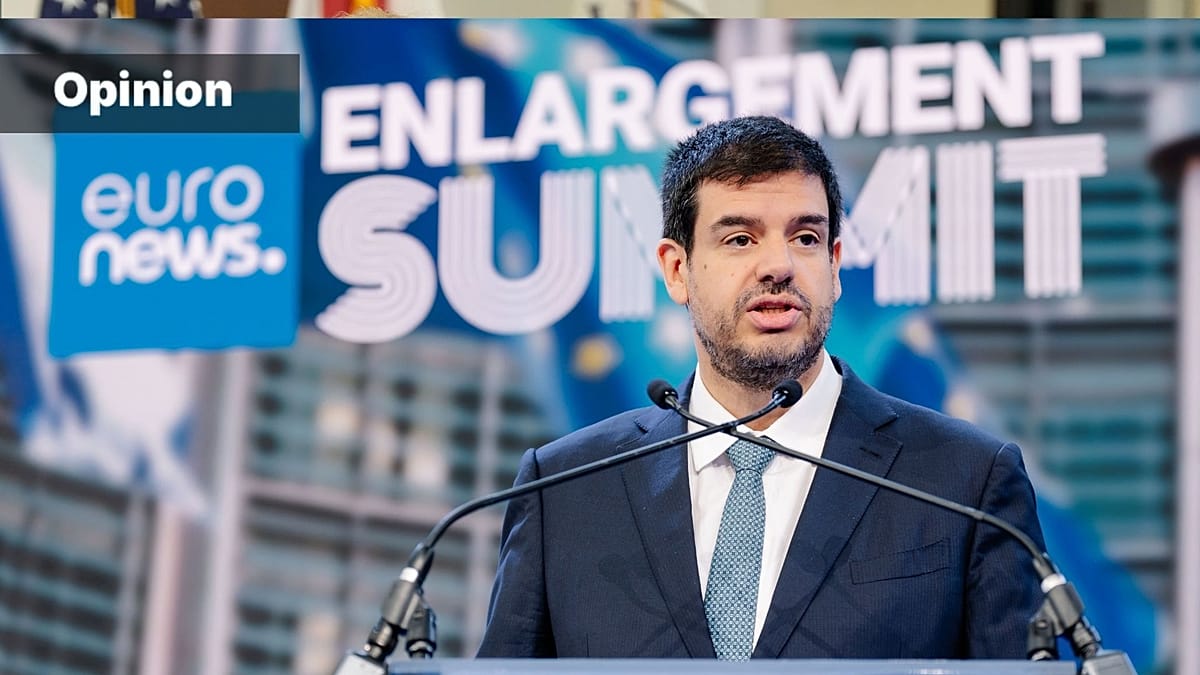
Centre-left Italian MEP Brando Benifei, who chairs the European Parliament’s delegation for relations with the US, shares that concern.
“Trump could pursue an even more erratic foreign policy over the next two years, which could result in more trouble for Europe. His decisions on Ukraine and the Middle East will have a significant impact on us,” he told Euronews.
From wars to trade, here is what to expect.
Energy crisis: no quick relief
The war in Iran, which has plunged Europe into an energy crisis, is among the most pressing concerns for EU diplomats and lawmakers.
“The elections themselves will not bring down energy prices. What matters is whether the United States and Iran move towards de-escalation," Romanian centre-right MEP Virgil-Daniel Popescu told Euronews.
For Europe, the biggest breakthrough would be an agreement between Washington and Tehran to reopen the Strait of Hormuz. Iran has largely blocked the vital shipping route since the war began on 28 February, apart from a brief reopening in June. Severe restrictions on shipping continue to drive up energy prices.
A hostile Congress could increase pressure on Trump to end the conflict, with Democrats gaining greater influence over federal spending and congressional investigations.
Congress has the constitutional power to declare war and can pass legislation seeking to end US military involvement. But Trump could veto such a measure, and overriding him would require a two-thirds majority in both chambers — a formidable hurdle even after the Democratic gains.
In the wake of his election defeat, Trump played down the prospect of further strikes on Iran, hinting at a possible de-escalation while insisting the US remains “locked and loaded” if necessary.
Dimitar Likov, a senior research officer at the Brussels-based Wilfried Martens Centre for European Studies, is unconvinced.
“I don’t see this happening anytime soon given Trump’s chaotic military intervention and [Israel’s Prime Minister] Benjamin Netanyahu’s desperate political position domestically,” he told Euronews.
Ukraine: a glimmer of hope
By contrast, the midterms could mark a significant shift in Washington’s approach to Russia’s war in Ukraine.
The midterms came amid deteriorating relations between Washington and Kyiv, with Trump facing criticism for allowing Russian diesel imports into the US and easing sanctions on Moscow.
A Democratic Congress is now expected to pile pressure on Trump to maintain military support for Ukraine, particularly the continued supply of critical air defence systems and ballistic missile interceptors, and to take a tougher line on Moscow.
“We hope this change will result in a smoother delivery of military aid to Ukraine,” a diplomat told Euronews.
Ukrainian President Volodymyr Zelenskyy has not publicly reacted to the results, which come at a particularly sensitive moment in his relationship with Trump. Speaking in Berlin on Tuesday, before the outcome was known, he stressed the importance of continued US and European support for Kyiv.
Russia, meanwhile, said it hoped the outcome would not affect Trump’s efforts to negotiate what Moscow calls a “peace settlement” in Ukraine.
Democrats would still face significant obstacles, however, including the need for bipartisan support to overcome the Senate filibuster and Trump’s power to veto legislation. Their influence over the White House’s diplomatic negotiations with Moscow would remain limited.
NATO: the troop question remains
Trump's defeat could temper his more dramatic threats to withdraw American troops from Europe. But it is unlikely to halt Washington's gradual military disengagement from the continent.
In May, the US announced the withdrawal of 5,000 troops from Germany. In June, it opened a six-month review of its force posture in Europe, due around the end of the year. European allies hope the review will not lead to further withdrawals.
The Pentagon, however, cannot go below 76,000 soldiers in Europe in 2026 without certifying to Congress that it would not harm US or NATO security.
A Democrat-led House could serve as a short-term parachute, but it will not change the assumption that Europeans can no longer rely on the US for their security.
“A shift in the balance of power does not guarantee a change. Europe must continue to do more for its own defence and security,” David McAllister, a European People's Party MEP who chairs the Parliament’s Foreign Affairs Committee, told Euronews.
Trade: a chance to push back?
The Democrats’ victory is unlikely to change US trade policy much, as Trump retains control over tariffs and trade deals.
Brussels and Washington are currently bound by a trade deal struck in July 2025, which sets US tariffs on most EU goods at 15% and requires the EU to eliminate tariffs on US industrial goods.
The defeat could fuel Trump’s anger at trading partners and lead to further tariff threats, as happened when he threatened EU member states with tariffs over their digital laws. Alternatively, Democrats could use their increased leverage in Congress to pressure the president and promote greater stability in US trade policy.
It remains unclear whether such pressure could help Europeans win more carve-outs from the US deal, as they continue to seek exemptions from the 15% tariffs. Brussels is also trying to negotiate reductions to the 50% US tariffs on steel.
“The respect of the Turnberry deal is of paramount importance,” EU Trade Commissioner Maroš Šefčovič said on Wednesday, adding that he “continues regular contacts” with his US counterparts.
Some MEPs go further, asking the Commission to renegotiate the deal now that Trump is in a weaker position.
“Tariffs have significantly worsened market access conditions for European exports to the US. This agreement needs a review,” said Pasquale Tridico, an MEP from The Left.