Iran crisis is not solely a product of Trump’s rule | Letters
Letters: Focusing on Donald Trump’s defects risks making war appear as an aberration rather than as a recurring feature of American power, writes David Eaton. Plus letters from Blaine Stothard and Harvey Gilbert
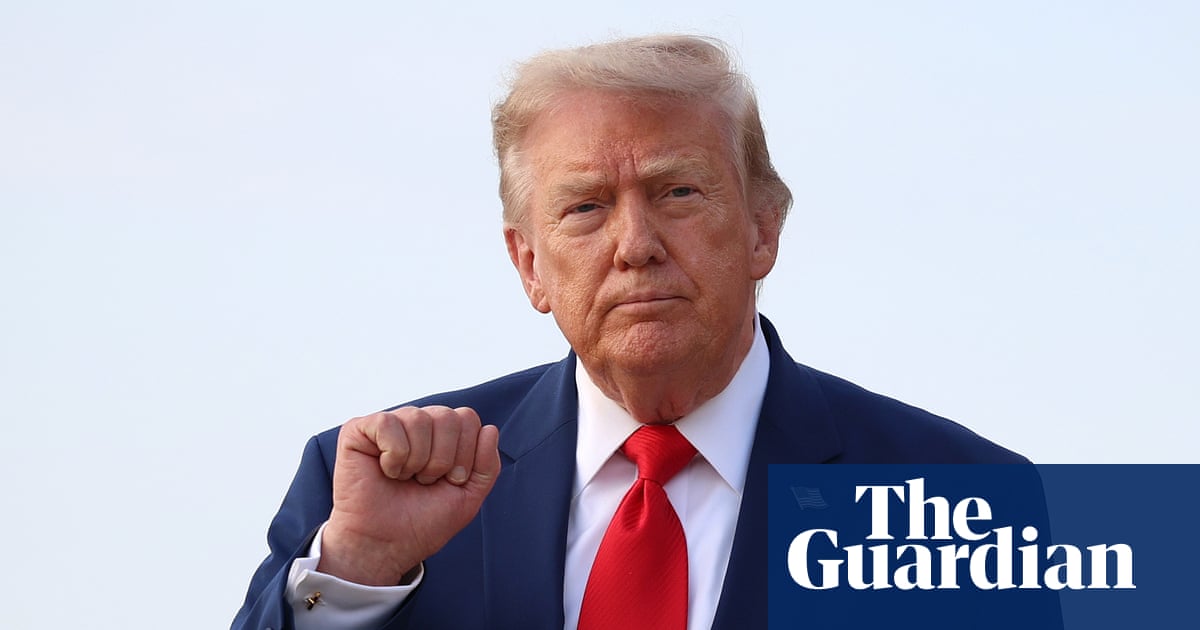
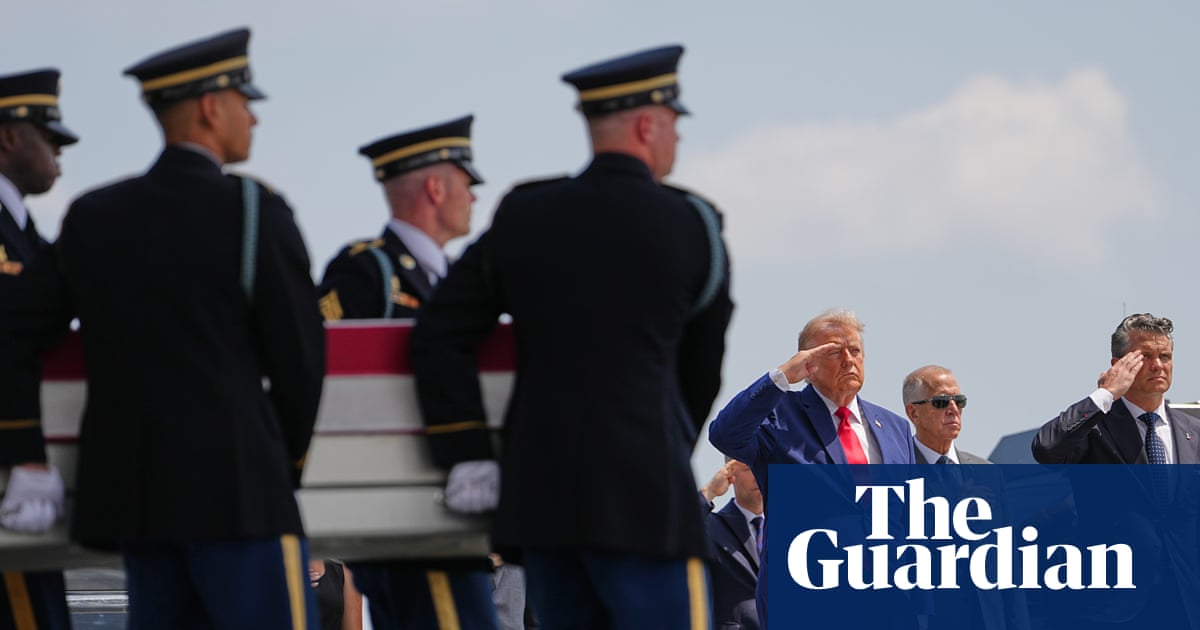
Simon Tisdall’s article (Trump, not Iran, is the world’s greatest danger. He’s a one-man weapon of mass destruction, 18 July) is a forceful polemic, but it risks turning a structural problem into a personal one. If Donald Trump is uniquely reckless, that deserves criticism. Yet the article implies that America’s present predicament is chiefly the consequence of his character, rather than asking why successive administrations, Republican and Democrat alike, have repeatedly resorted to military intervention in the Middle East. To focus on Trump’s defects risks making war itself appear as an aberration rather than as a recurring feature of American power.
The same applies to the strait of Hormuz. Its strategic importance does not begin or end with one president. It reflects a global economic order that depends on secure energy supplies, trade routes and the projection of military power to guarantee them. That broader context is largely absent.
The article also assumes that a more competent president, acting with Congress, allies and international law on side, would have avoided today’s crisis. History offers little comfort. We have been here before: the Iraq, Afghanistan and Libya conflicts were carried out under far more conventional presidencies.
Trump may be the spectacle, but he is not the problem. The article focuses on the drama rather than the system that keeps producing it.
David Eaton
Sunderland
Simon Tisdall is right to identify the dangers to the world presented by the Trump administration and the president himself. Tisdall enumerates the recent damage, death and destruction that the Trump administration has presided over, seeing current excesses and abuses of power as dangers to the rest of us, as indeed they are. But the current excesses, overt and covert, can be seen as a continuation of American history and practice that not only has led to the 20th century being seen as the American century, but also as the century of US wars.
Since the end of the first world war, we have seen the US initiate the war for oil, the war against communism, the war against drugs, the war against terror and the war against Islam. All continue to have negative impacts on the rest of the world, and perpetuate American foreign policy arrogance and belligerence. All these wars failed to achieve their supposed aims. They have also provided cover for other tyrannical governments to act in similar, if less universal, fashion. I’m not sure we should see Trump as an aberration – more as a more shameless manifestation of what has always been there.
Blaine Stothard
London
I agree wholeheartedly with Simon Tisdall, but he didn’t answer his own question: who will stop Donald Trump? The polls show his weakness, but the upcoming elections may not because the Democrats are so weak and Trump will inevitably confuse the results to his own benefit. The answer to the question must lie in the Republican party itself. Surely there are enough right-thinking Republicans to turn votes against him and force some control over his behaviour. It is beginning to happen.
This may be the way to begin to bring him to heel, but it creates further issues before any real resolution. The immediate problem for the American people and the world is twofold. First, as the “wounded bear”, Trump will continue to do catastrophic damage before November’s elections. And second, Marco Rubio to take over? God save us all.
Harvey Gilbert
Milton Keynes