Oil price soars to highest price since 2022 as US-Iran impasse shows no sign of resolution
The price of Brent oil soared above $122 a barrel on Wednesday, its highest level since 2022, as US-Iran ceasefire negotiations stalled and the critical strait of Hormuz remained effectively closed.In a...
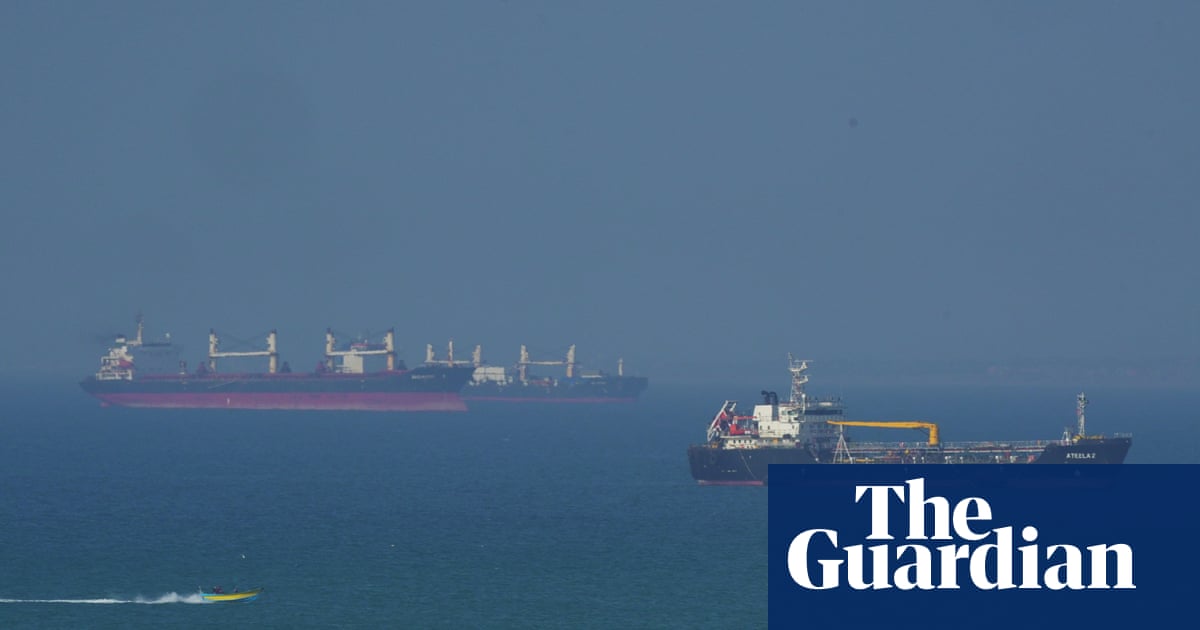
The price of Brent oil soared above $122 a barrel on Wednesday, its highest level since 2022, as US-Iran ceasefire negotiations stalled and the critical strait of Hormuz remained effectively closed.
In a one-day surge of almost 10%, the price of Brent crude hit the highest level since the war began, tipping past $122 before settling about $120. Not since Russia’s 2022 invasion of Ukraine has Brent topped $120.
Oil markets have been spooked this week as Donald Trump appeared willing to maintain the US Navy blockade of Iranian ports, with Iran responding by keeping the strait of Hormuz all but shut to other oil tankers.
US-Iran talks set for Islamabad in Pakistan over the weekend failed to materialise, so the stalemate grinds on.
Trump on Wednesday said Iran “better get smart soon” and in a meeting with oil executives discussed what steps could be taken to “continue the current blockade for months if needed,” according to a White House official.
The war is about to enter its 10th week, despite Trump’s initial projections of a 4-6 week conflict before Tehran would buckle. Global oil supplies drop by nearly 20 million barrels every day the strait is choked off.
Oxford Economics warned in a blog post that a six-month impasse in the strait could send oil prices as high as $190 by August.
The economist Paul Krug, a former New York Times columnist, said he believed most analysts have been “far too sanguine” about the effects of a prolonged Hormuz crisis.
“In my view, a full-on global recession is more likely than not if the strait remains closed for, say, another three months, which seems all too possible,” he wrote on his Substack on 20 April.
In 2008, during the global financial crisis, oil surged to record highs, with crude briefly hitting about $147. Two weeks after the US and Israel launched their first strikes on Iran, Tehran said the world needed to prepare for $200 barrels of oil.
Beyond ramping up the cost of petrol, the effects of the supply shock have cascaded through the global economy, causing inflation to rise and sparking some fears of a looming global recession.
US inflation soared in March, with prices up 3.3% over the year. Across the Atlantic, Britain is facing a £35bn economic hit and the risk of a recession in 2026 because of the war, a thinktank warned.
While Congress was questioning the US defense secretary, Pete Hegseth, over the war’s rising costs and strategy, Iran’s foreign minister, Abbas Araghchi, spent the day making phone calls to India, Kenya and Poland, trying to shore up support in his country’s staring contest with the US.