
Fossil fuels scrubbed from COP31 draft deal despite growing momentum
Published on 19 November 2026 - 14:10 GMT+1 All mentions of fossil fuels have been scrubbed from the latest COP31 draft, despite growing momentum to establish an exit...
Published on 19 November 2026 - 14:10 GMT+1
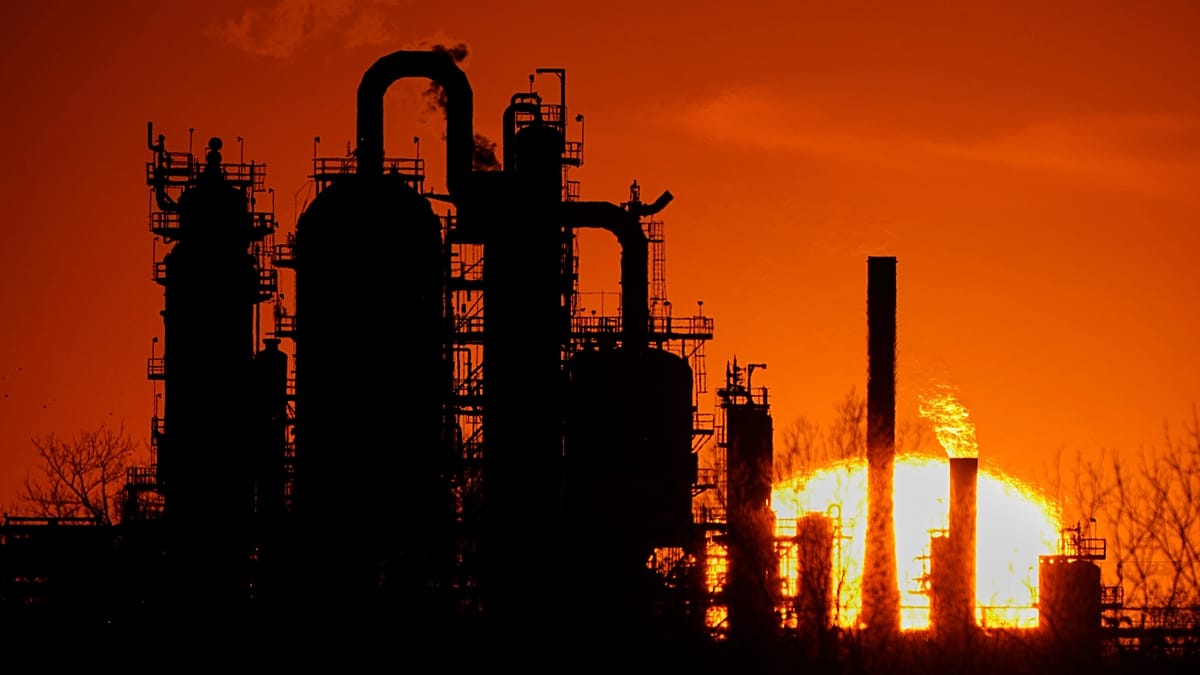
All mentions of fossil fuels have been scrubbed from the latest COP31 draft, despite growing momentum to establish an exit plan.
Co-host Australia unveiled a draft deal on Thursday (19 November) that removes earlier proposals that called on nations to accelerate the phaseout of coal, oil and gas – the leading driver of climate change.
Almost 200 nations involved in the annual UN climate summit have until tomorrow (20 November) to strike a final agreement but analysts expect the discussions may overrun.
COP31 agreements require consensus from all parties which means progress is often slow and incremental.
It’s a deja-vu moment from the COP30 summit in Belém last year, where the transition away from fossil fuels (TAFF) was erased from the final deal following resistance from fossil-fuel exporting countries.
COP31 shies away from fossil fuels
After days of tense consultations, negotiations chair Australia published a slimmed-down text, half the original length, containing fresh language and new proposals on some of the most contentious issues.
This includes for the first time a call to increase the global share of final energy demand met by electricity to 35 percent by 2035 – a key initiative of COP31 host Türkiye.
It also contains a recognition of the "best-available science" and a reference to the work of the Intergovernmental Panel on Climate Change (IPCC), a key battleground at COP31.
‘You can always wish and fight’
Despite the erasure of TAFF from the draft deal, several countries have published their own roadmaps to transition to clean energy.
On 11 November, Finland affirmed its commitment to TAFF by publishing a national roadmap, following in the footsteps of France, Germany and the Netherlands.
Almost a week later (17 November), Denmark, Portugal, Luxembourg and Spain announced their own national plans.
While “you can always wish and fight” for TAFF to be anchored in the cover decision, “this is not for us the ultimate benchmark for success,” German Environment Ministry State Secretary Heike Henn told reporters on Monday (16 November), ahead of the draft’s publication. “The success is in doing, in a growing coalition,” she said.