
Ukraine to channel up to €1bn in EU loans into joint defence projects
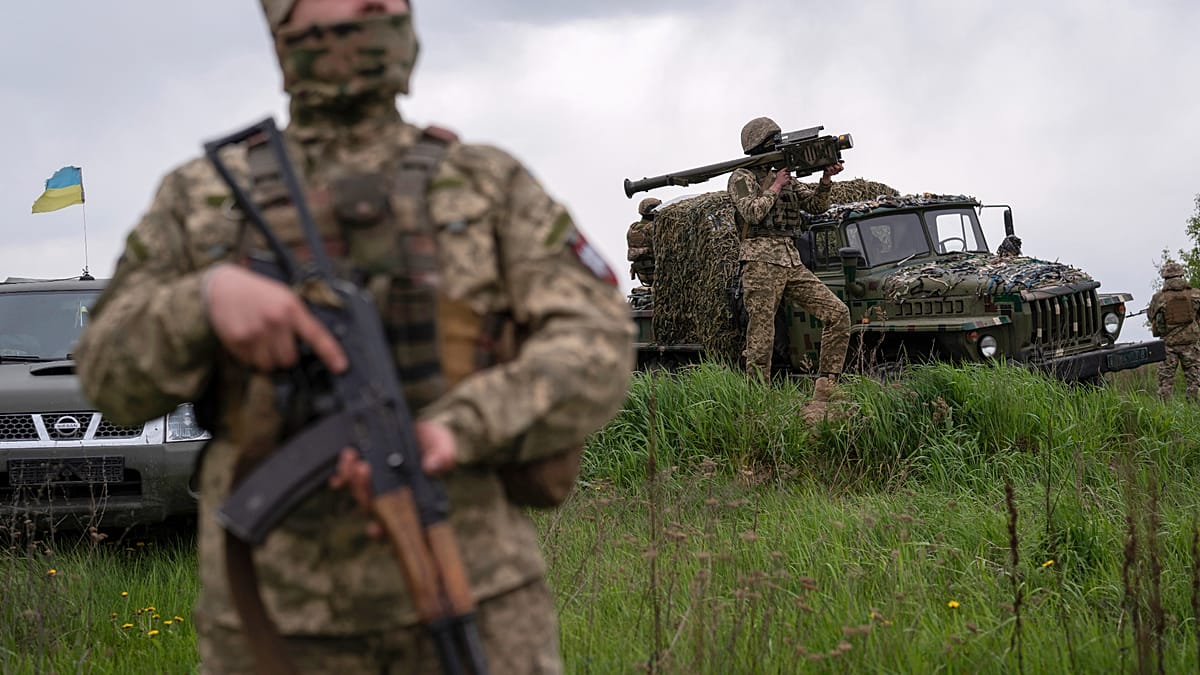
Ukraine is set to move up to €1bn of its EU loan into the Ukraine Support Instrument to integrate its defence industry with its European partners. The move is part of a Defence Industrial Pact that should remove regulatory hurdles for industrial cooperation and to encourage member states to destock.
Published on 2 November 2026 - 17:01 GMT+1
Ukraine is set to channel up to €1 billion from its EU loan into a programme designed to bring its defence industry closer to its European partners, with a focus on air and missile defence, drones, counter-drone systems and ammunition.
The move would more than quadruple funding for the Ukraine Support Instrument, part of a broader effort by Brussels and Kyiv to integrate their defence industries and boost weapons production.
Under the Ukraine Support Loan (USL), the EU is providing €90 billion to support Kyiv’s war effort in 2026 and 2027. With Ukraine’s financing needs mounting, Brussels recently agreed to bring forward some payments to help plug its budget shortfall.
Nevertheless, Kyiv is expected to transfer “up to €1bn of Ukraine Support Loan funds to the European Defence Industry Programme / Ukraine Support Instrument”, according to a confidential European Commission document obtained by Euronews.
The instrument, currently worth €300 million, is meant to promote joint Ukrainian-European production through joint ventures and licensing arrangements, and to facilitate joint procurement involving manufacturers from both sides.
The funding boost forms part of the EU-Ukraine Strategic Defence Industrial Partnership, which seeks to combine Ukraine’s battle-tested technologies with Europe’s industrial capacity.
The partnership was launched in July 2026 with the signing of a letter of intent. On that basis, the Commission is drafting a Defence Industrial Pact, for which it is seeking a mandate from member states.
“Its central objectives are to support faster defence products deliveries to Ukraine, while ramping up and integrating European and Ukrainian defence industrial capacities,” reads the document the Commission shared with EU countries.
Besides boosting the instrument, the Pact is meant to identify ways to remove regulatory barriers to EU-Ukraine industrial cooperation, including by concluding “overarching” deals on drone and missile technologies.
A separate track seeks to encourage member states to use the new round of unspent loans under the Security Action for Europe (SAFE) programme to fund joint projects with Ukrainian industry, though EU capitals cannot be forced to do so.
The Commission hopes these initiatives will create a “defence window” that lifts EU defence production in 2027, allowing Kyiv to use the USL to buy larger volumes from European manufacturers at lower prices.
Alongside direct purchases, the document says national governments should be encouraged to destock their arsenals as a way of keeping supplies flowing quickly and continuously to Ukraine.
EU ambassadors will discuss the initiative for the first time on Wednesday. The aim is to conclude the Pact by the end of the year, after which member states will have to approve the final text.