
EU Parliament awards Sakharov Prize to ICC in rebuke of US sanctions
Published on 22/10/2026 - 12:11 GMT+2 The European Parliament on Thursday awarded the International Criminal Court (ICC) the Sakharov Prize for Freedom of Thought,...
Published on 22/10/2026 - 12:11 GMT+2
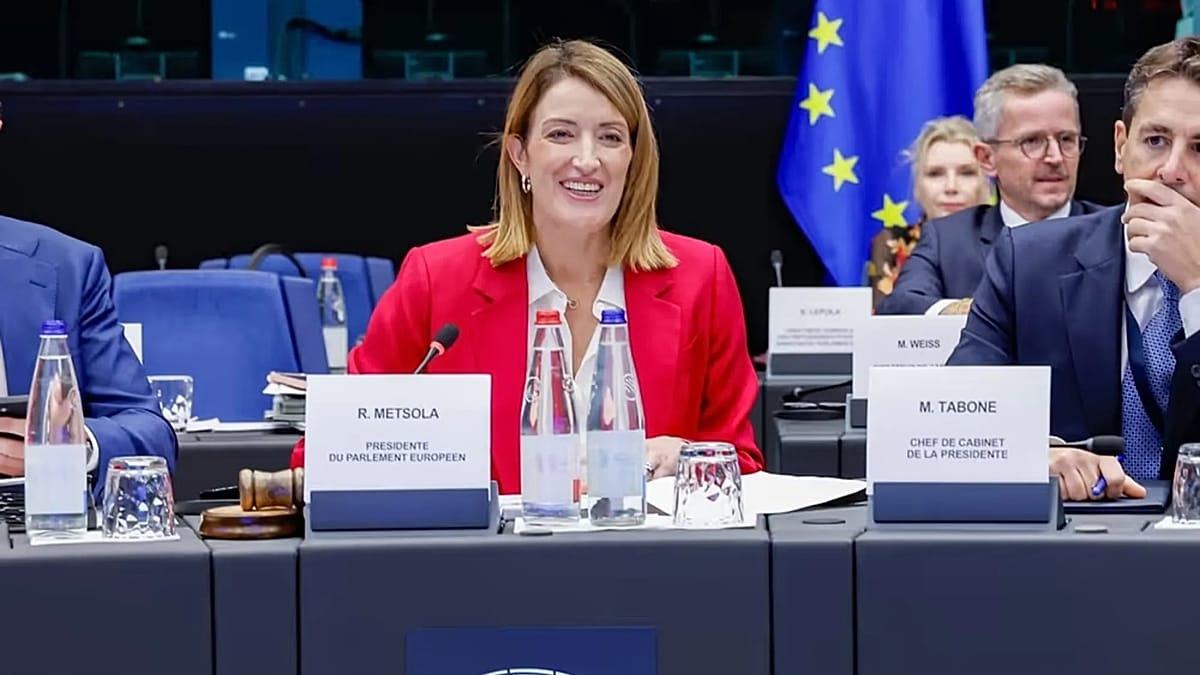
The European Parliament on Thursday awarded the International Criminal Court (ICC) the Sakharov Prize for Freedom of Thought, signalling opposition to US sanctions threatening the court’s work.
The annual prize recognises individuals and organisations defending human rights and fundamental freedoms. Past laureates include South African leader Nelson Mandela and Russian opposition figure Alexei Navalny.
US President Donald Trump’s administration announced sanctions against the ICC on 9 October, following repeated criticism of its arrest warrant for Israeli Prime Minister Benjamin Netanyahu and its investigation into the conduct of US troops in Afghanistan.
“This is a message of hope and resistance sent to Donald Trump. We will not abandon the rule of law and international justice. We will stand with the ICC for as long as it takes,” said French MEP Chloé Ridel, who nominated the court.
Parliament’s political group leaders chose the ICC over two other shortlisted candidates: Tanzanian lawyer Tundu Lissu, who faces political persecution, and Iranian sisters Taraneh and Romina Rahimi, nominated on behalf of those persecuted by Iran’s authorities.
The Socialists and Democrats (S&D) group put forward the ICC and its officials, with other political groups eventually backing the nomination. The decision surprised some insiders, who had expected Lissu to win.
Last week, MEPs from across the political spectrum urged European Commission President Ursula von der Leyen to protect the Netherlands-based court from US sanctions.
They called for the use of “all instruments at our disposal”, particularly the EU’s Blocking Statute, which shields European companies and individuals from the effects of certain foreign sanctions.
EU foreign policy chief Kaja Kallas described the threat of sanctions against the ICC as “not acceptable” on 9 October, reaffirming the bloc’s commitment to international law. The EU has yet to take concrete action.